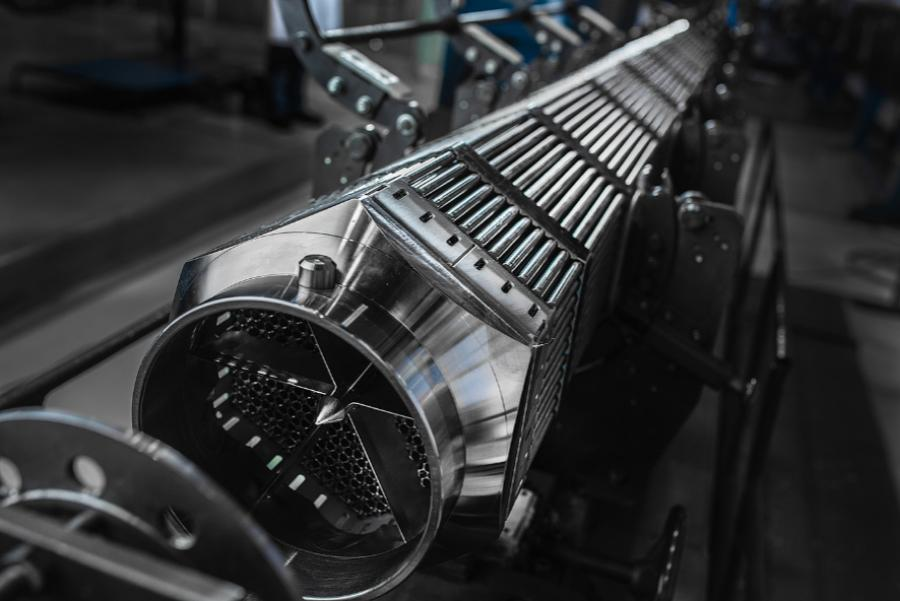
Germany wants independence from Russian nuclear fuel, using Rosatom as a bridge
Europe’s effort to break its dependence on Russian nuclear fuel has a paradox in Germany: making Russian-designed fuel without buying it from Russia ...
News
Publish date: August 25, 2004
News
The facility in the Mironova Heights filled with the submarine shipyard’s Sevmash radioactive waste is located just 12 kilometres south from Severodvinsk. According to the specialists of the Russian Nuclear Shipbuilding Centre, the current storage conditions do not follow the modern environmental requirements. Different hermetic materials should be used to isolate the radioactive waste from the ground water, which can be polluted, with the stored radioactive waste. Sevmash plant specialists claim the repository is intact, but there were some reports about the leakage in the facility.
It is planned to build a kind of sarcophagus made of unique hermetic material around the old storage tanks, so it will be a kind of wall in the ground, which should become an additional protection from the radiation. The facility has two special 8-meter deep wells. Six new horizontal wells will go from two existing wells right under the repository. The new wells will not allow the ground water to approach the radioactive waste, Vesti.ru reported.
The reconstruction of the repository is covered by the Russian federal program Nuclear and radiation safety of Russia and should take about 3 years. According to the Sevmash chief architect Nikolay Zykov, the total project cost is $2.6m. The federal budget allocated about $171,000 this year, Sevmash promised from $100,000 to $170,000.
However, on July 6 Prime-TASS agency reported with the reference to the chief of the nuclear and radiation safety of the Federal Agency on Atomic Energy, Alexander Agapov, about $10m from the Russian budget for elimination of this repository.
Europe’s effort to break its dependence on Russian nuclear fuel has a paradox in Germany: making Russian-designed fuel without buying it from Russia ...
Nearly four and a half years after Russia’s full-scale invasion of Ukraine, July offered fresh evidence of how difficult it remains to disentangle Ru...
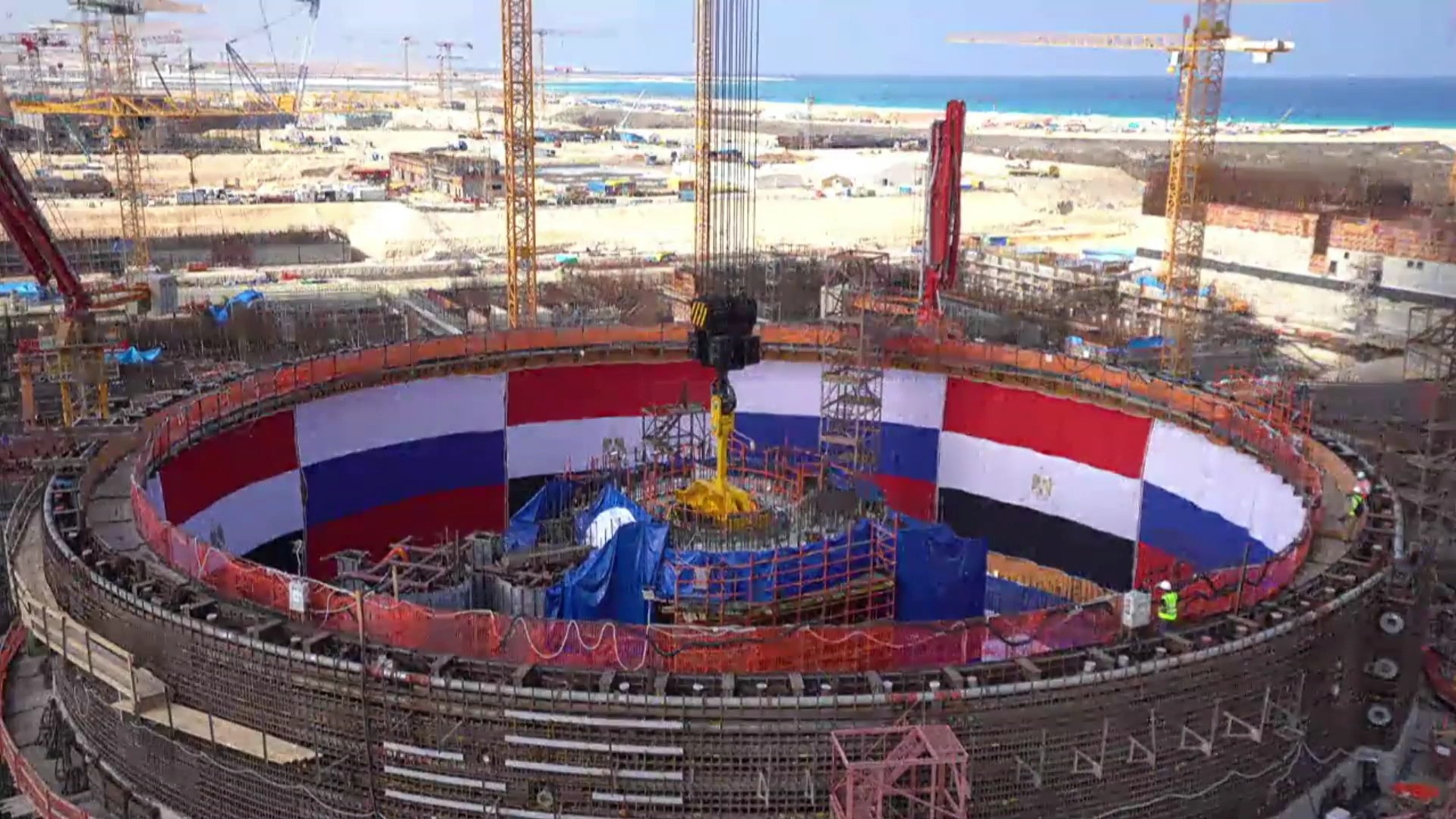
Just days after Egyptian nuclear authorities reportedly accused Rosatom of construction defects, poor management and vi...
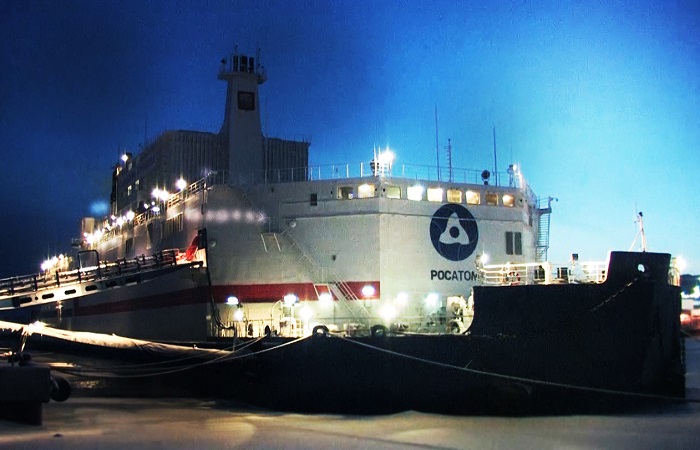
For years, the Akademik Lomonosov looked like one of the nuclear industry’s more eccentric experiments: two reactors mounted on a barge and tow...