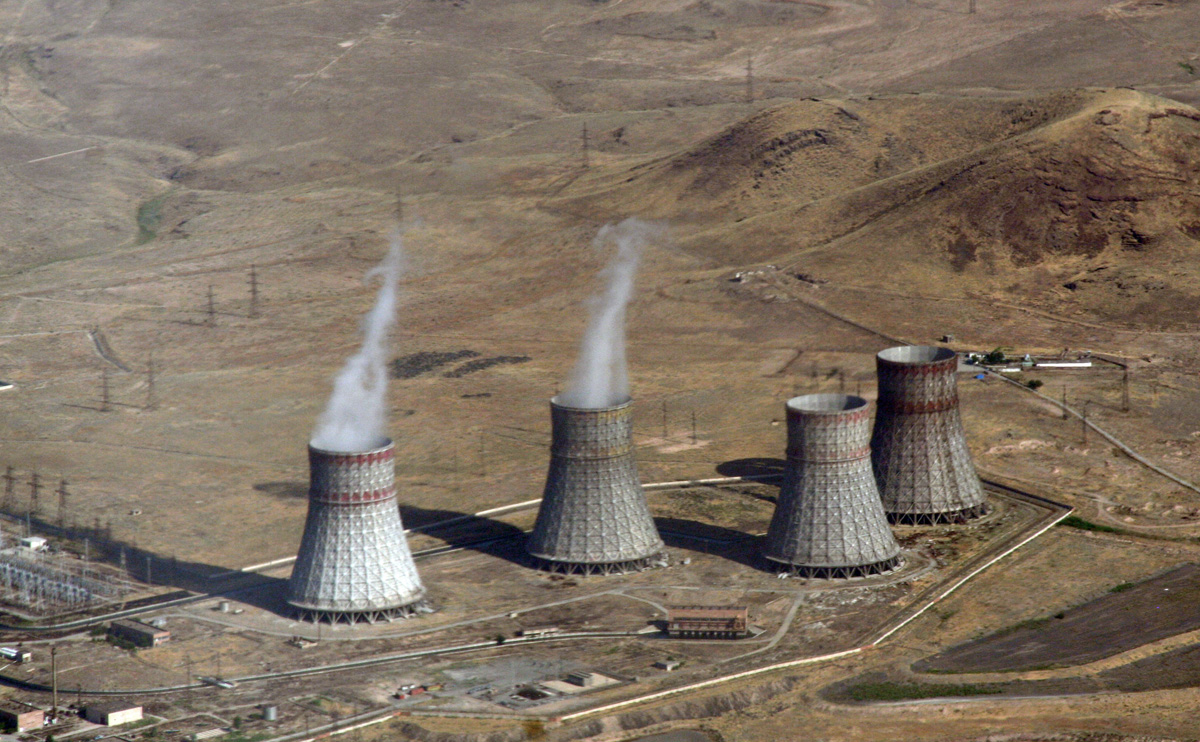
Armenia reconsiders nuclear future as Rosatom offers replacement for aging Soviet reactor
Armenia is reconsidering its plans for a new nuclear power plant after a fresh proposal from Russia’s state nuclear corporation Rosatom and a s...
News
Publish date: August 16, 2000
Written by: Igor Kudrik
News
Norwegian Defence Ministry issued a press release Wednesday replaying the situation they were witnessing in the area of the Kursk accident on August 12 and 13.
The Defence Ministry says that its research vessel Marjata was in the sector of the Barents Sea, where the Northern Fleet was conducting a military exercise off the coast of the Kola Peninsula last week.
In late afternoon on August 12, it could be observed that a part of the training resembled a rescue drill. The same activity was ongoing on August 13. According to the press release, the Defence Ministry learned about the accident only on August 14 when the Russian Navy released the information.
The press release says that after analysing the gathered data from the area and being aware of the fact of the accident, the Defence Ministry could pick out of other activities two subsequent detonations with a shot interval. Those two detonations occurred in the area and at the time of the submarine accident on August 12, as it became clear later from the data provided by the Russian side.
CNN reported Wednesday referring to Pentagon that two blasts (detonations) were indeed detected at the time of the accident, specifying that the second blast was considerably more powerful than the first one.
Bellona suggested Tuesday that due to a pilot error the submarine hit the seabed producing the first sound that could be interpreted as a detonation (blast). The collision with the ground triggered explosion of a high-pressure air system storage tank making the second, more powerful explosion. The collision could damage the bow part of the submarine while the explosion could lead to the damages of superstructure. The Russian Navy discovered both of the damages after conducting observation of the sunken submarine.
Cruise missile nuclear powered Oscar II-class submarine, Kursk, sunk on August 12 off the eastern coast of the Kola Peninsula. 118 crewmembers are trapped inside. The rescue operation has brought no results so far.
Armenia is reconsidering its plans for a new nuclear power plant after a fresh proposal from Russia’s state nuclear corporation Rosatom and a s...

Russia’s state nuclear corporation Rosatom has taken full control of one of the country’s largest logistics companies, consolidating an expanding tra...
August brought signs of growing pressure on several fronts for Russia’s state nuclear corporation Rosatom, from questions surrounding major construct...
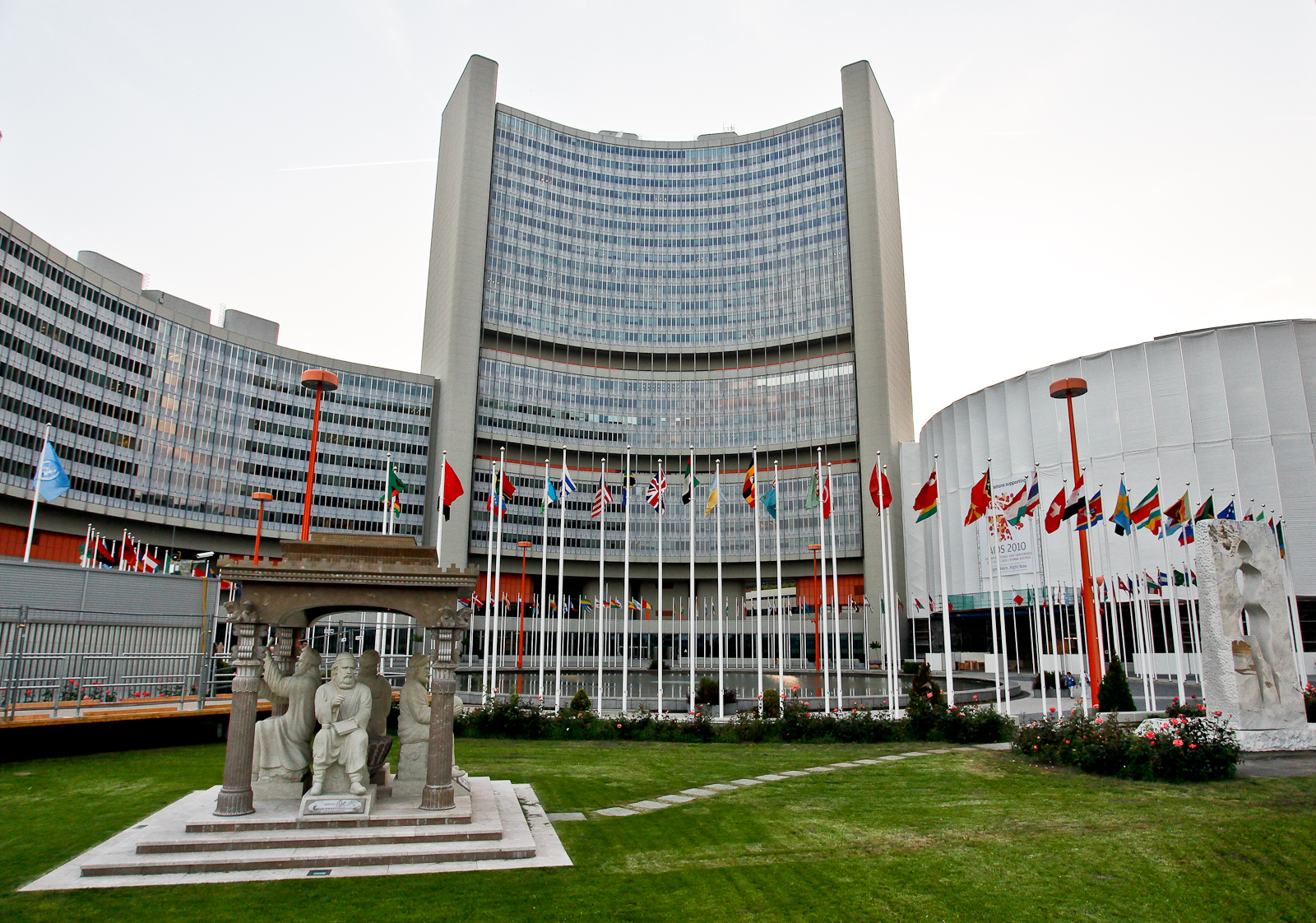
The International Atomic Energy Agency has suspended one of its most senior Russian officials — but for reasons largely unrelated to the questions ab...