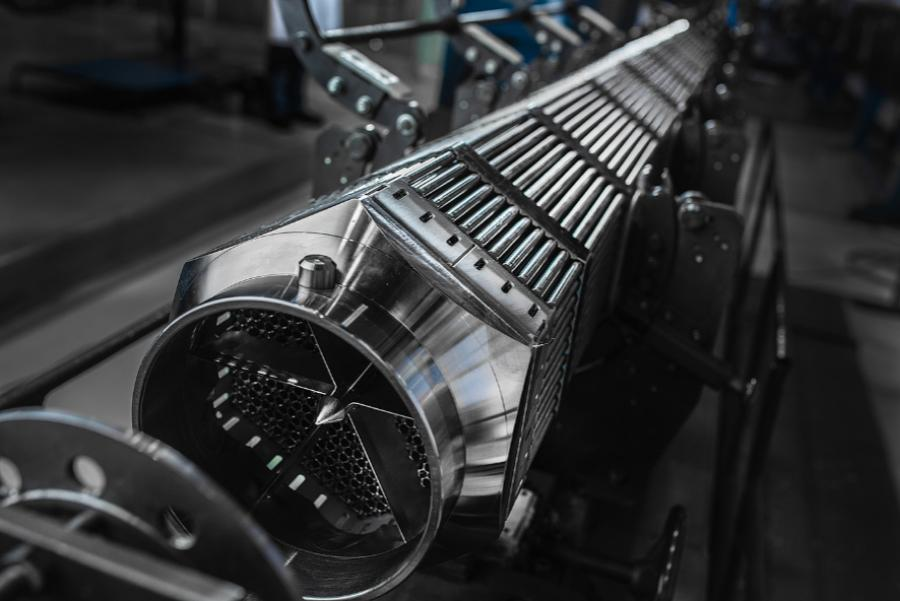
Germany wants independence from Russian nuclear fuel, using Rosatom as a bridge
Europe’s effort to break its dependence on Russian nuclear fuel has a paradox in Germany: making Russian-designed fuel without buying it from Russia ...
News
Publish date: May 14, 1997
Written by: Igor Kudrik
News
The machinery, manufactured in the United States by Huges Aircraft Systems International, was delivered to Nerpa a few years ago, but has been idling ever since. The original plans considered the machinery part of a complex including a land-based dock with special submarines dismantling equipment. Lack of funding postponed commissioning of the complex, which should have been ready by 1996. On June 28 1996 the construction works were suspended.
The final works on the plasma torch was paid by the US, as a part of the Start-II weapons reduction agreement. According to management at Nerpa, 13.5 million USD allocated in the state budget for construction of the decommissioning complex were frozen. By the middle of May the yard had received only 200,000 USD. The lack of a decommissioning complex means that only a quarter of the American machinery’s operational capacity can be exploited.
Similar machinery, also delivered by US companies, was commissioned by the end of November 1996 at Severodvinsk yard and Zvezdochka. The Americans covered all the expenses including training of personnel to operate the equipment.
Europe’s effort to break its dependence on Russian nuclear fuel has a paradox in Germany: making Russian-designed fuel without buying it from Russia ...
Nearly four and a half years after Russia’s full-scale invasion of Ukraine, July offered fresh evidence of how difficult it remains to disentangle Ru...
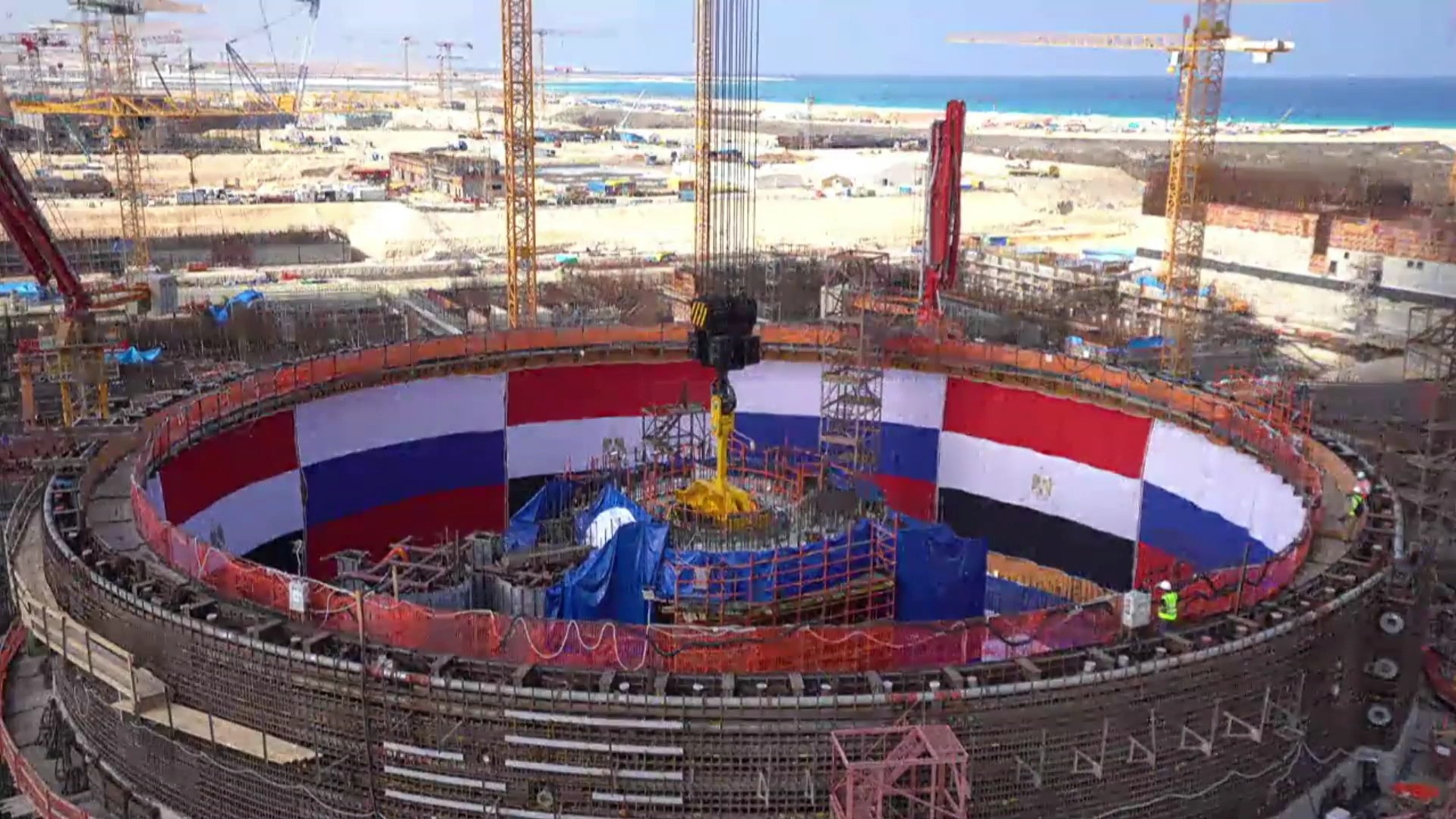
Just days after Egyptian nuclear authorities reportedly accused Rosatom of construction defects, poor management and vi...
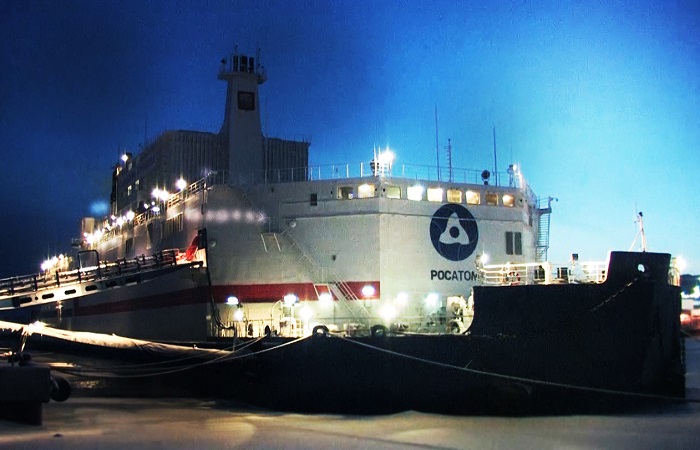
For years, the Akademik Lomonosov looked like one of the nuclear industry’s more eccentric experiments: two reactors mounted on a barge and tow...