Ukraine Pushes Ahead, the West Sends Mixed Signals, and China Draws Closer: Rosatom’s Uneasy Month
Even as the war grinds on, Ukraine continues to expand its civilian nuclear ambitions. Britain has tightened sanctions on Russia’s nuclear sect...
News
Publish date: September 9, 2003
News
The checks are being carried out in the western part of the Kara Sea, deputy emergency minister Mikhail Faleyev told journalists. This is the area near former nuclear test site at Novaya Zemlya archipelago where K-27 nuclear submarine and one reactor from K-254 were disposed of in early 1980s. The disposal method involved sinking the sub and the reactor. The Emergency Ministry specialists will have to examine potentially dangerous sites, define the grade of their danger, and also find out the level of sea water and sediment pollution. After completing the expedition all the data will be included into the Register of Underwater Potentially Dangerous Objects. The specialists are conducting the research with the help of mobile complex of marine radiation control and remote controlled submersible AQUA-CHS, designed by Science Research Institute of Special Machinery Construction at the Moscow State Technical University. It was tested at the Black Sea prior to the current expedition.
Even as the war grinds on, Ukraine continues to expand its civilian nuclear ambitions. Britain has tightened sanctions on Russia’s nuclear sect...
As the European Union tightens sanctions on Moscow, Russia’s Arctic energy exports continue to find buyers—and increasingly rely on opaque and potent...

A fundraising campaign launched by the Bellona Foundation has succeeded in securing the organization’s future and averting bankruptcy. ̶...
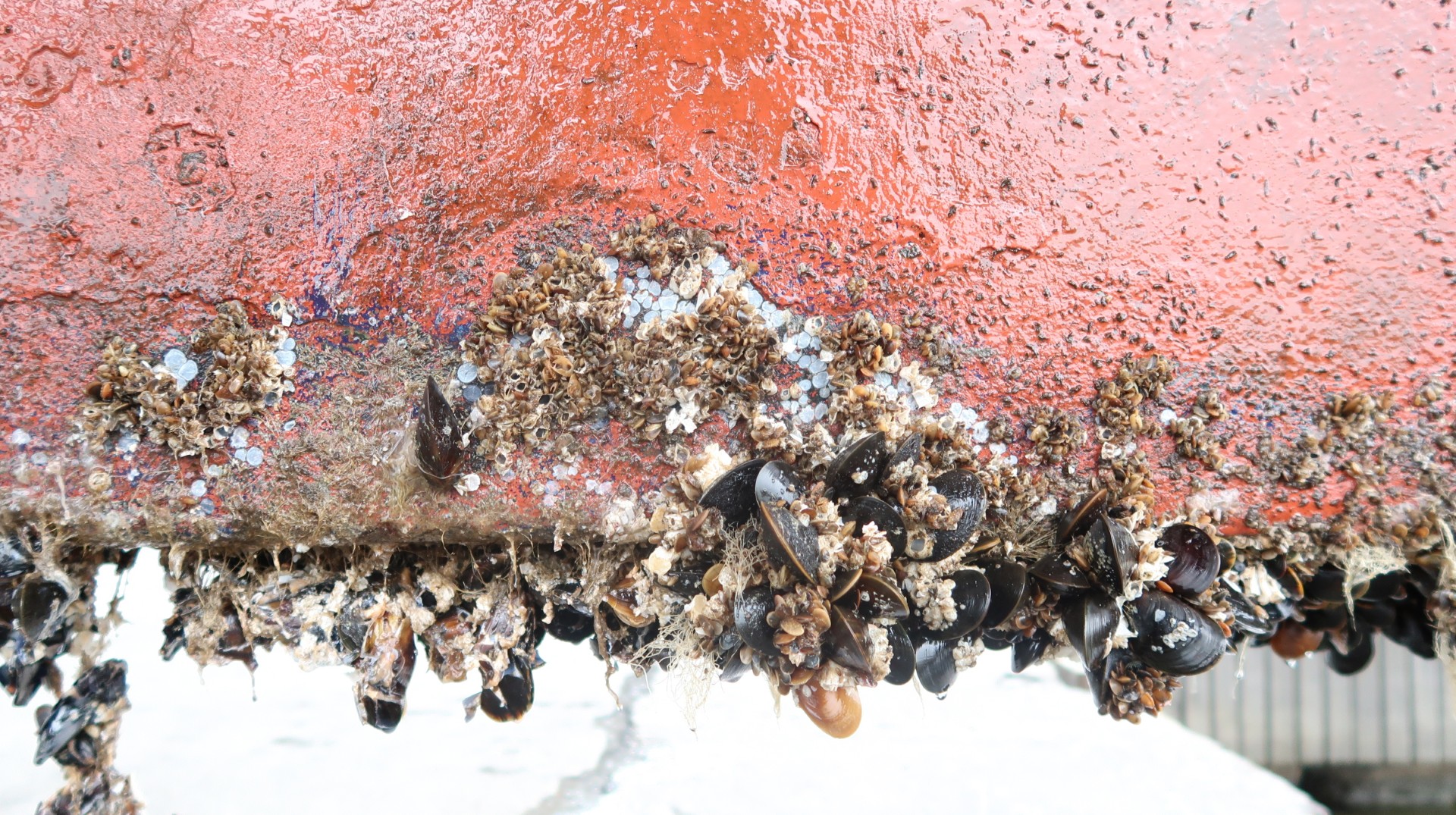
The shipping industry has a harmful secret—hiding just beneath the waterline. Barnacles, algae and microbial slime covering ship hulls may seem like ...