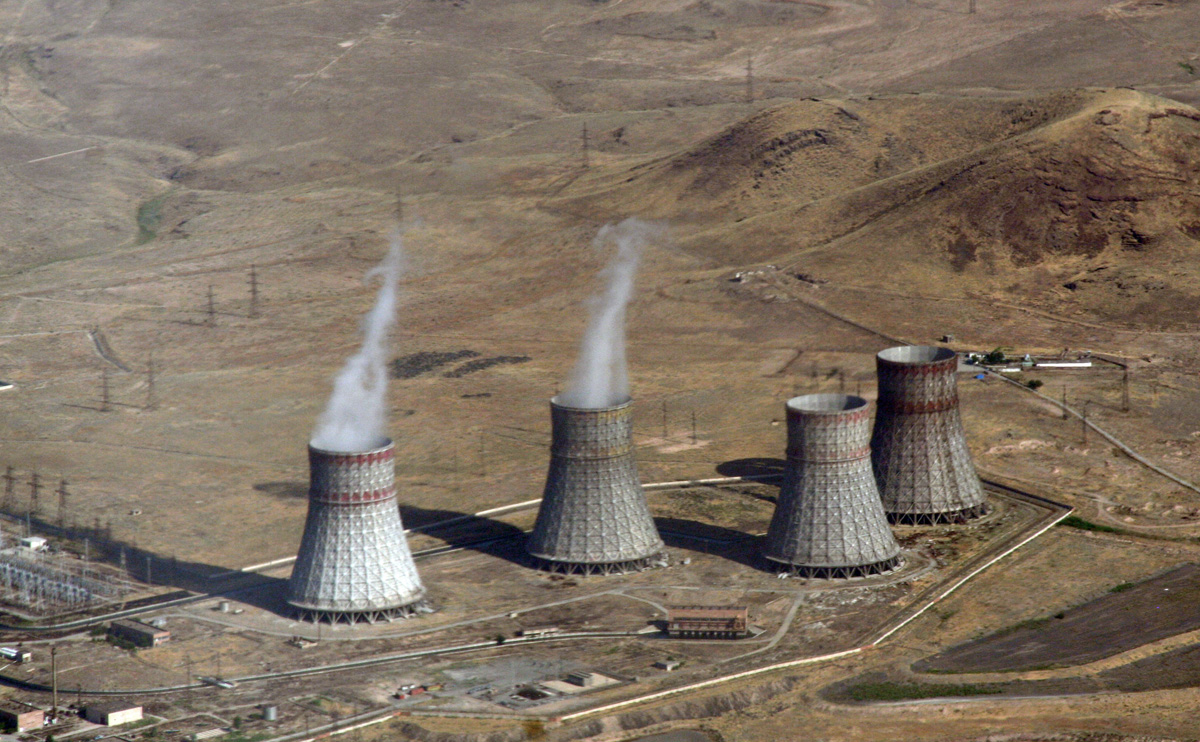
Armenia reconsiders nuclear future as Rosatom offers replacement for aging Soviet reactor
Armenia is reconsidering its plans for a new nuclear power plant after a fresh proposal from Russia’s state nuclear corporation Rosatom and a s...
News
Publish date: August 3, 1999
Written by: Igor Kudrik
News
On July 26, 1999, Aleksandr Nikitin forwarded his application to the European Court of Human Rights in Strasbourg. In his application Nikitin indicates that Russian authorities have violated his rights under Articles 6 (1) and 13 of the European Convention of Human Rights.
Aleksandr Nikitin has been prosecuted on the basis of secret and retroactive legislation, his freedom of movement has been restricted for a considerably long time, and, finally, the Russian authorities showed inability to determine his case.
Aleksandr Nikitin is charged with high treason and divulging of state secrets by the Russian Security Police, or FSB, for contributing to the Bellona Report on the Russian Northern Fleet. He was arrested on February 6 1996, but was released from pre-trial detention ten month later. Since then he has been under city arrest in St. Petersburg. In October 1998, the St. Petersburg City Court found charges against Nikitin vague and inconsistent and sent his case for further investigation to the FSB. The Supreme Court of the Russian Federation reaffirmed the decision of the St. Petersburg City Court in February 1999.
In June, 1999, the FSB levelled new charges against Nikitin still accusing him of high treason and divulging of state secrets. The new set of charges (number eight since the case was launched in 1995) is based once again on secret and retroactive legislation. The case has now entered the discovery phase. It is expected to reach court system in late autumn.
"The European Court has to decide whether Russia has violated provisions of the European Convention of Human Rights," says Jon Gauslaa, Bellona’s lawyer who wrote the application. "If Russia fails to follow resolution drawn by the Court, she risks that her membership in the Council of Europe might be suspended," adds Gauslaa.
Evaluation of cases in the European Court might take from one to five years. Aleksandr Nikitin, however, urges the Court to give his application priority under Rule 41 of the Rules of the Court.
Armenia is reconsidering its plans for a new nuclear power plant after a fresh proposal from Russia’s state nuclear corporation Rosatom and a s...

Russia’s state nuclear corporation Rosatom has taken full control of one of the country’s largest logistics companies, consolidating an expanding tra...
August brought signs of growing pressure on several fronts for Russia’s state nuclear corporation Rosatom, from questions surrounding major construct...
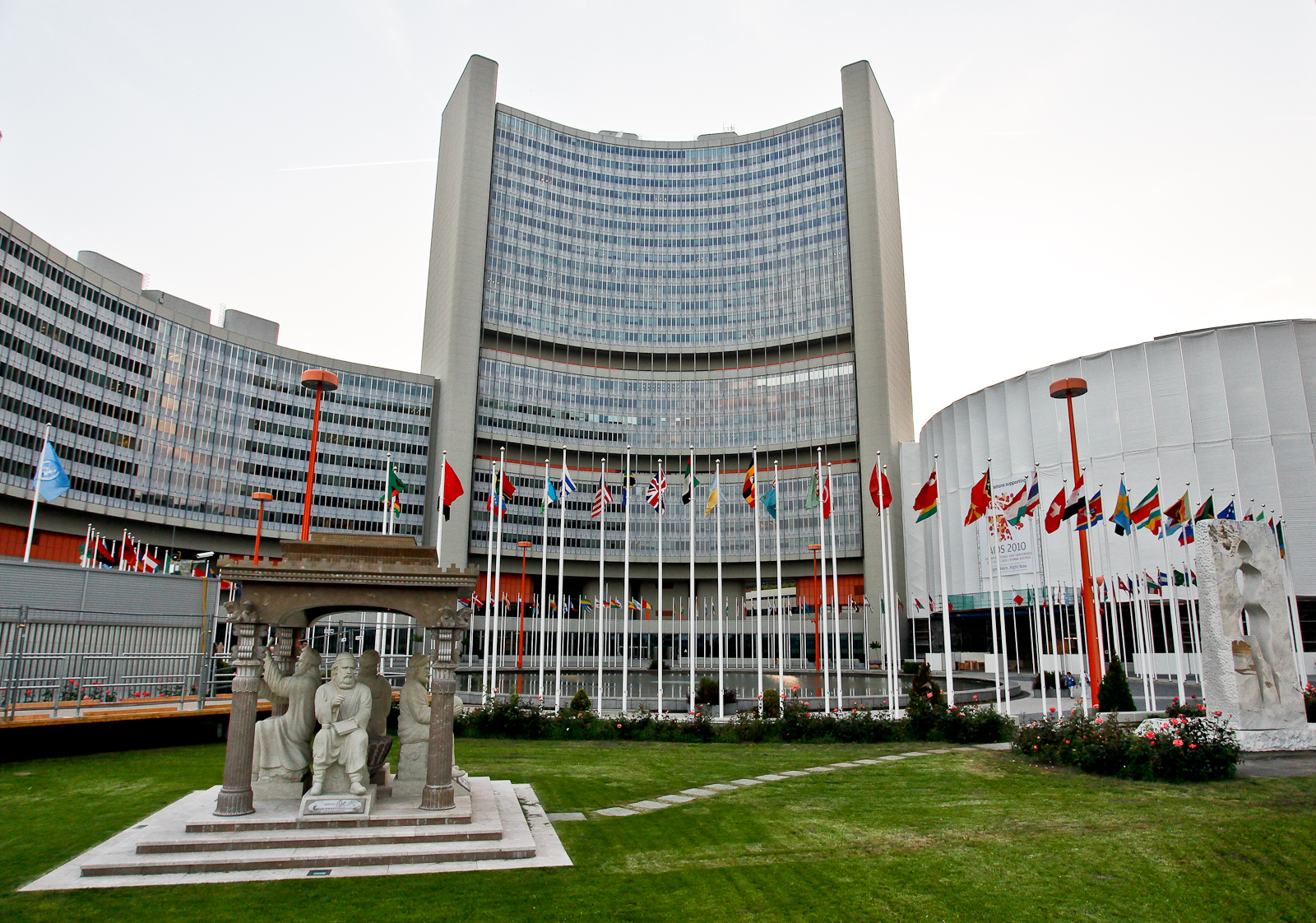
The International Atomic Energy Agency has suspended one of its most senior Russian officials — but for reasons largely unrelated to the questions ab...