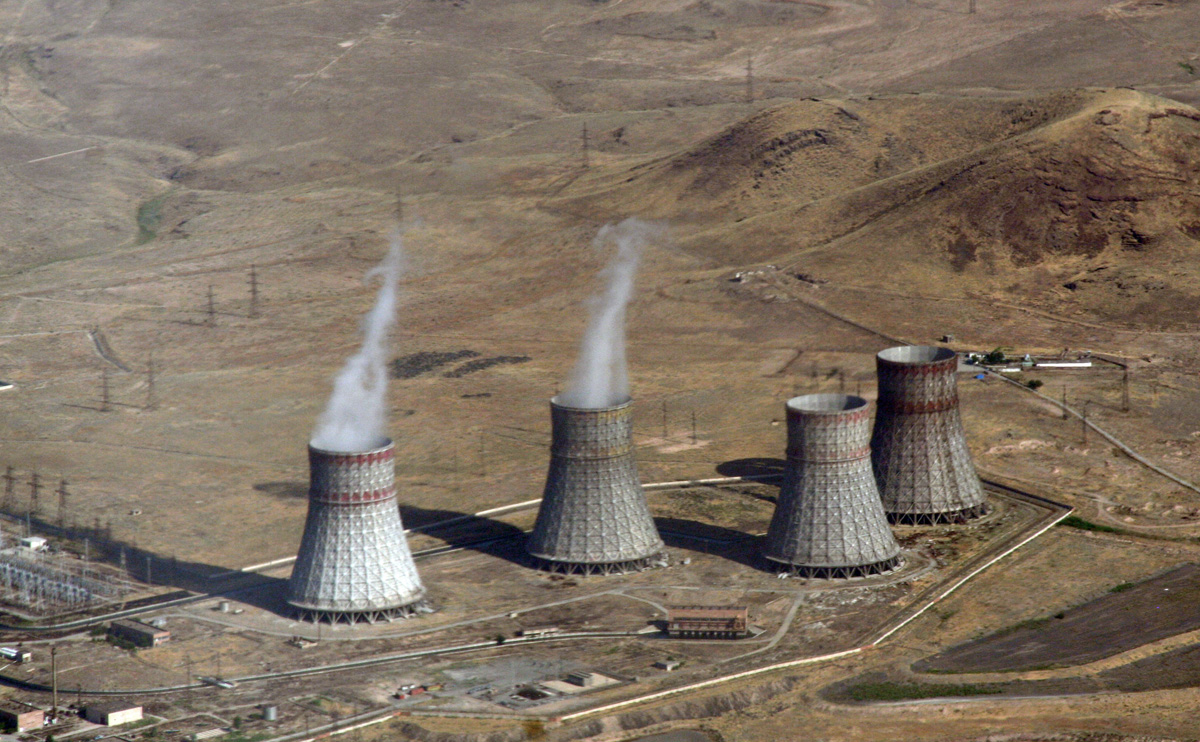
Armenia reconsiders nuclear future as Rosatom offers replacement for aging Soviet reactor
Armenia is reconsidering its plans for a new nuclear power plant after a fresh proposal from Russia’s state nuclear corporation Rosatom and a s...
News
Publish date: February 18, 1998
Written by: Igor Kudrik
News
Meanwhile, the delivery of ship for transportation of spent nuclear fuel is negotiated between Norway and Russia as part of the nuclear safety upgrade programme in the north-west of Russia.
The construction of the naval nuclear fuel transport ship of Malina class (project 2020, fabric number – 698) was started back in 1990 at Nikolaev shipyard in the Ukraine, right before the split- up of the Soviet Union. Since then, the shipyard has managed to complete 70% of the boat, writes Russkoe Oruzhie monthly review.
The need for such a ship is so great at the Russian Navy, that while singing the agreement on co- operation between the Ukrainian and Russian Defence ministers last year, the Russian counterpart insisted on filing the completion of this boat as a separate line in the agreement.
Nevertheless, no money has been allocated by Moscow so far. Today the ship requires maintenance and repairs even having not been in active service for a single day.
The construction of a service ship for transportation of spent nuclear fuel is a part of the nuclear safety programme in the north-west Russia proposed by Norway in 1996. The price for such a boat is put as high as over 16 million USD.
The nuclear service vessel which stuck in the Ukraine, is a younger sister of a similar ship which was completed, rebuilt and assigned to the Ukrainian Navy. This ship, which according to the initial design was to perform defuelling operations at nuclear-powered submarines, was renamed to be Slavutich and today serves as command unit in the Ukrainian Navy.
The Russian Navy operates three nuclear service boats of Malina class, two of them (PM-63 and PM-12) are assigned to the Northern Fleet and one (PM-74) – to the Pacific Fleet. All three had been built at Nikolaev shipyard from 1984 till 1994. Each boat has a storage capacity of 1,400 fuel assemblies amounting to approximately six reactor cores. Due to the lack of maintenance and repair works, all three ships are in poor technical condition. In October last year, the PM-12 was tagged to the nuclear-powered ice-breakers fleet base Atomflot in Murmansk, where it would be stationed for an uncertain period of time. PM-63 is permanently located in the water area of Severodvinsk shipyards in Arkhangelsk county, being unable to move by itself.
Armenia is reconsidering its plans for a new nuclear power plant after a fresh proposal from Russia’s state nuclear corporation Rosatom and a s...

Russia’s state nuclear corporation Rosatom has taken full control of one of the country’s largest logistics companies, consolidating an expanding tra...
August brought signs of growing pressure on several fronts for Russia’s state nuclear corporation Rosatom, from questions surrounding major construct...

The International Atomic Energy Agency has suspended one of its most senior Russian officials — but for reasons largely unrelated to the questions ab...