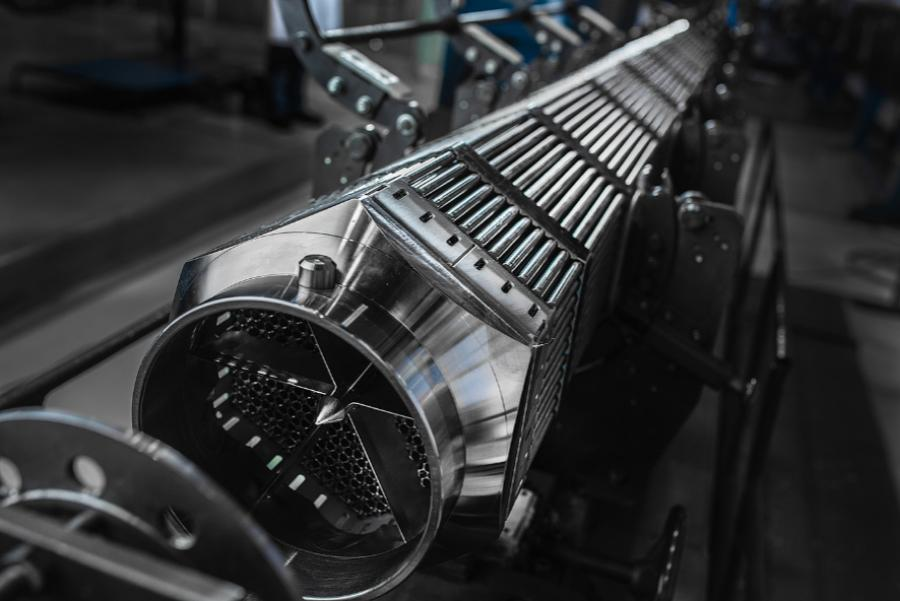
Germany wants independence from Russian nuclear fuel, using Rosatom as a bridge
Europe’s effort to break its dependence on Russian nuclear fuel has a paradox in Germany: making Russian-designed fuel without buying it from Russia ...
News

Publish date: May 29, 2008
News
Bellona activists learned of the shipment from the French environmental groups Sortir du nucleare and Greenpeace France. The ship set sail from the port of Le Havre on May 22nd.
The tails are most likely waste from France’s Eurodif uranium enrichment concern – a subsidiary of Areva – which, like Germany’s Urenco enrichment giant, has a contract with Russia nuclear fuel monopoly Tekhsnabexport (Tenex) to send the waste to Russia.
It is expected that the vessel will reach Krondshadt in the Gulf of Finland by 10:00 a.m. Saturday to await clearance for entry into St. Petersburg’s port. From 12:00 to 4:00 p.m., activists from the Environmental Rights Centre (ERC) Bellona – Bellona’s St. Petersburg office, will lead protests in front of the French Consulate at Moika Embankment 15.
The Environmentalists also plan to follow the entire course of the uranium tails load from its offloading at port to its shipment by rail to storage, conducting measurements of the radioactive background level near the containers along the route.
The foreign uranium tails will be send to Novouralsk, near Yekatrinburg, Seversk, near Tomsk, Angarsk, near Irkutsk or Zelenogorsk, near Kransnoyarsk, where previous shipments of tails have been sent.
“The transport of such loads is extremely dangerous. Incidents were hermetised seals malfunction are likely, which could lead to the contamination of huge populations of people by toxic and radioactive waste, including the large cities of Russia,” said Rashid Alimov, editor of Bellona Web’s Russian pages.
Russia is already home to 700,000 tons of depleted uranium hexafluoride.
The United States classifies uranium tails as waste, but many European countries, which see it as raw material for reprocessing and re-enrichment. Russia currently lacks a specific opinion on what, precisely, uranium tails constitute.
Sergei Kiriyenko, head of Russia state nuclear corporation, Rosatom, has been equivocal on the subject, promising not to renew French and German contracts for the import of the tails, which end in 2009 and 2014 respectively.
Article 48 of Russia’s environmental protection laws forbid the import of radioactive waste into Russia for any purpose. To sidestep this in the interest of fulfilling its foreign contracts, however, Rosatom currently classifies uranium tails as raw material for reprocessing.
Europe’s effort to break its dependence on Russian nuclear fuel has a paradox in Germany: making Russian-designed fuel without buying it from Russia ...
Nearly four and a half years after Russia’s full-scale invasion of Ukraine, July offered fresh evidence of how difficult it remains to disentangle Ru...
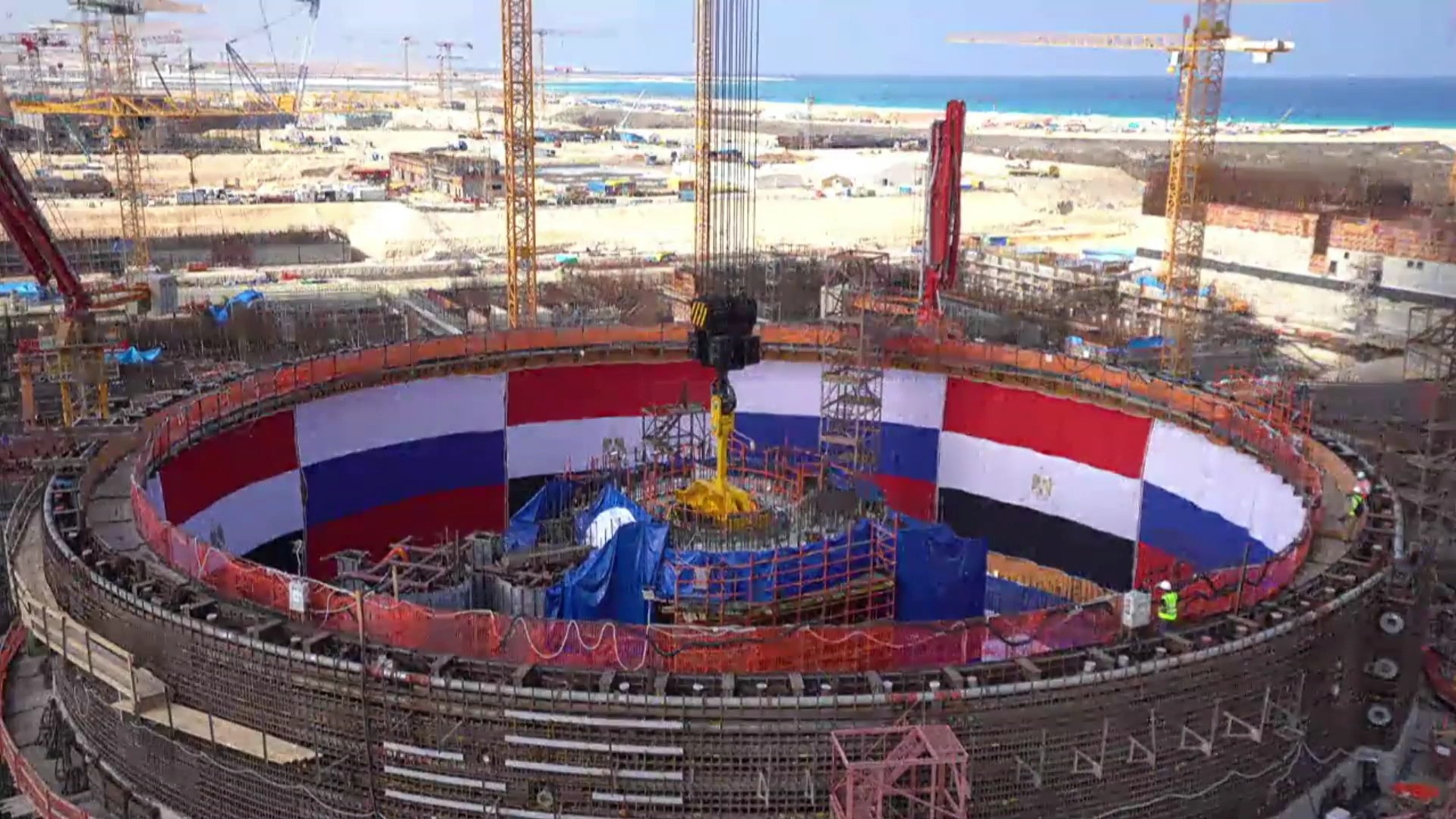
Just days after Egyptian nuclear authorities reportedly accused Rosatom of construction defects, poor management and vi...
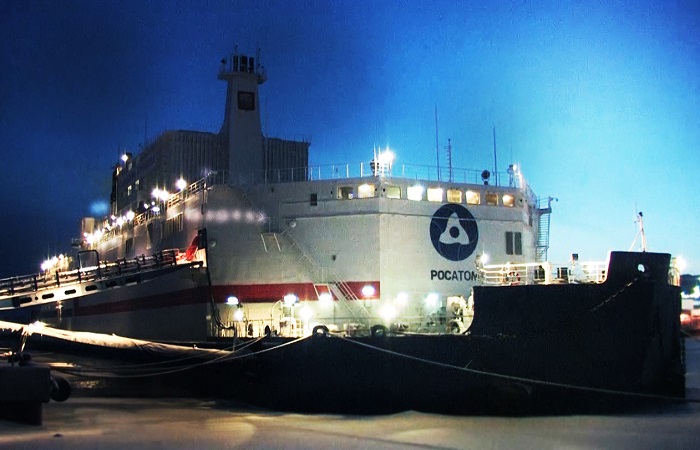
For years, the Akademik Lomonosov looked like one of the nuclear industry’s more eccentric experiments: two reactors mounted on a barge and tow...