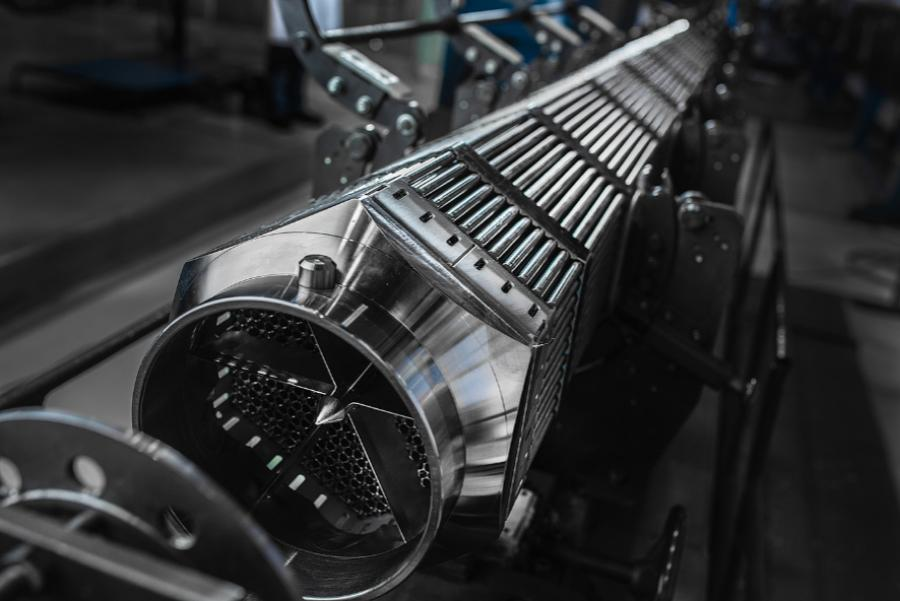
Germany wants independence from Russian nuclear fuel, using Rosatom as a bridge
Europe’s effort to break its dependence on Russian nuclear fuel has a paradox in Germany: making Russian-designed fuel without buying it from Russia ...
News
Publish date: June 30, 2006
News
Nordea is the mandated lead arranger for USD480 million of external finance required by Botnia of Finland for its mega pulp mill factory located on the shores of the River Uruguay, the waterway which forms the international frontier between Argentina and Uruguay. The Specific Instance refers to Nordea’s breaches of the OECD Guidelines General Policies, Environmental Recommendations, Disclosure Policies with respect to its involvement with the Botnia project referring to the vital role to be played by Nordea, the most important member of Botnia’s investment supply chain, such that without the banks participation, the entire project and resulting Guideline violations would not be feasible.
The Specific Instance against Nordea follows attempts by CEDHA to establish a dialogue with Nordea to discuss the bank’s accountability to communities who are already beginning to feel the adverse affects of the project under construction. In communication with CEDHA, Nordea refused to comment on violations to the Guidelines, International Human Rights Law, environmental norms and breaches to the banks own Corporate Social Responsibility obligations, commenting that ‘appropriate governing bodies’ must handle such complaints. The OECD, as one such governing body, was requested by CEDHA and the Bellona Foundation to solicit Nordea’s cooperation taking into account the basic principles of participation, transparency and access to information.
The complaint is based on the Botnia Specific Instance which has been accepted by the Finland National Contact Point (NCP) and is under investigation, meanwhile another, separate Specific Instance directed at Finnvera, the Finnish export credit agency, and its breaches of the Guidelines, is being assessed by the Finland NCP.
For more information please contact:
Daniel Taillant, jdtaillant@cedha.org.ar
Rune Frøyland, runef@bellona.no
Europe’s effort to break its dependence on Russian nuclear fuel has a paradox in Germany: making Russian-designed fuel without buying it from Russia ...
Nearly four and a half years after Russia’s full-scale invasion of Ukraine, July offered fresh evidence of how difficult it remains to disentangle Ru...
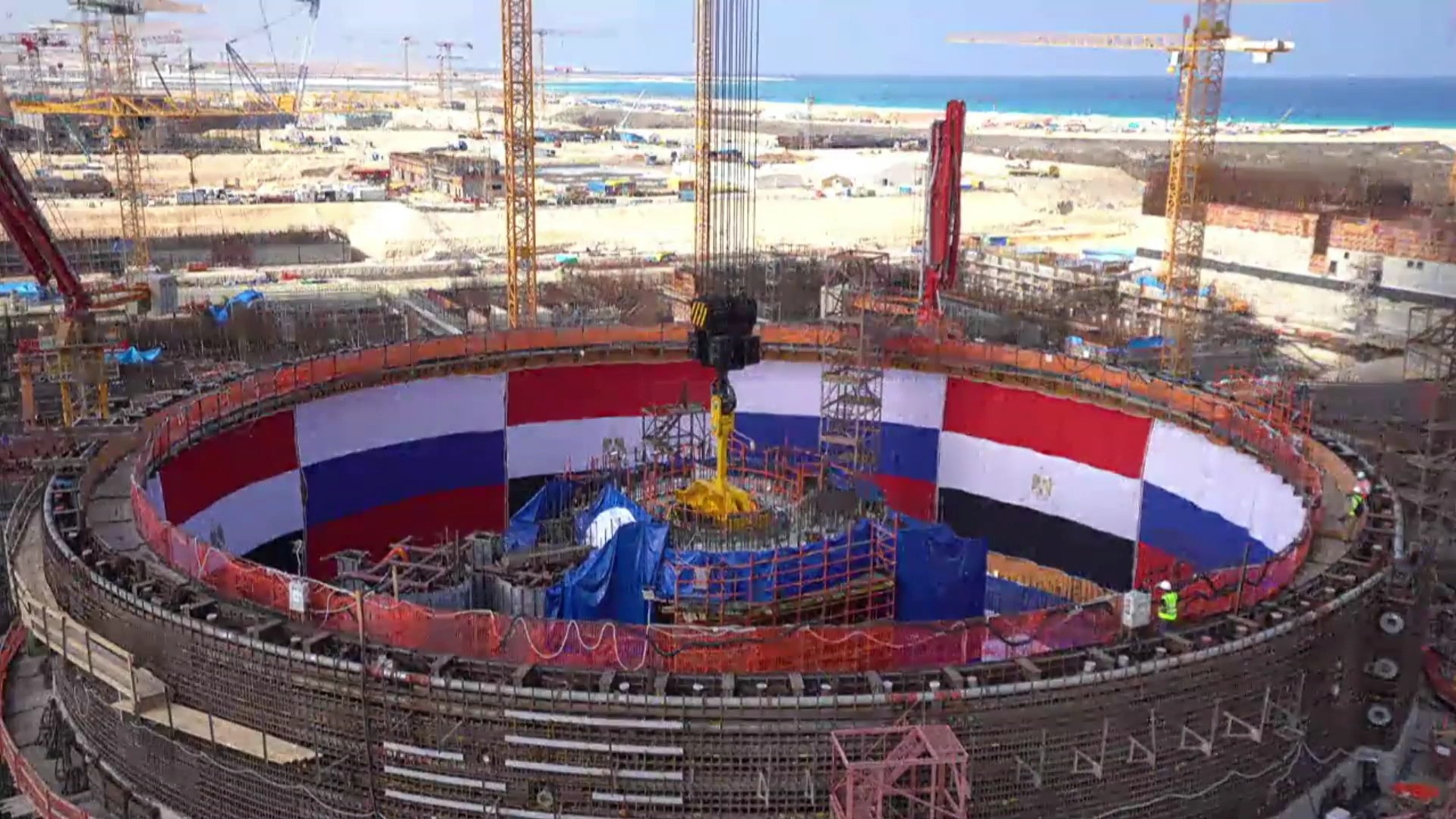
Just days after Egyptian nuclear authorities reportedly accused Rosatom of construction defects, poor management and vi...
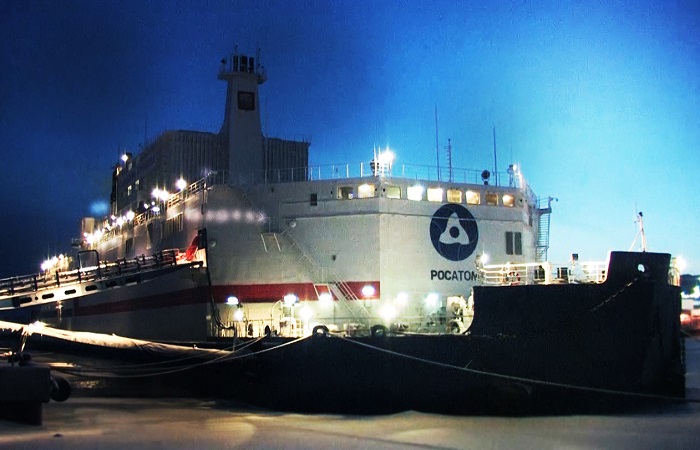
For years, the Akademik Lomonosov looked like one of the nuclear industry’s more eccentric experiments: two reactors mounted on a barge and tow...