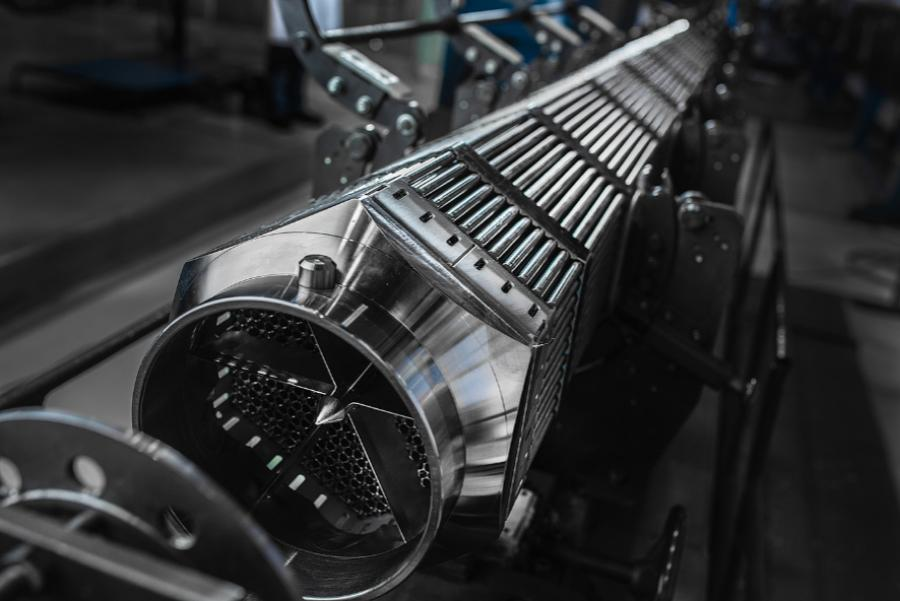
Germany wants independence from Russian nuclear fuel, using Rosatom as a bridge
Europe’s effort to break its dependence on Russian nuclear fuel has a paradox in Germany: making Russian-designed fuel without buying it from Russia ...
News

Publish date: July 20, 2006
News
"We are guided by reality and maintain the testing ground in a state of permanent readiness, simultaneously observing all of the commitments assumed," Ivanov told the press in Novaya Zemlya, mentioning that several nuclear powers have not ratified the nuclear test ban treaty.
“We are shocked with Ivanov’s statement, – Frederic Hauge, president of Bellona Foundation says. – Resuming nuclear tests in the Arctic area will cause enormous international protest.”
In 1990 Bellona protested against nuclear testing at Novaya Zemlya with its ‘Genius’ boat near the archipelago. The boat was detained but later left free by the Soviet frontier guards.
“When Russia stopped nuclear tests, it was a signal of peace, and the United States had to follow. Now the words of the defense minister about very possibility of resuming the tests cause instability, – Hauge says.
According to Hauge, Bellona will use all activities to stop such tendencies.
For forty years, 132 explosions had thundered at Novaya Zemlya.
Novaya Zemlya is the northern extension of the Ural Mountains which divide the European and Asian continents. Novaya Zemlya is made up of two islands divided by the Matochkin Strait. The two islands are 900 kilometres long in all, and cover approximately 82,179 square kilometres. There are also a number of other small islands, covering a surface of approximately 1,000 square kilometres. Most of the northern, and parts of the southern island, is covered by glaciers. The permafrost reaches down 300 to 600 metres into the ground. The rock of Novaya Zemlya is brittle and has deep crevices. The highest mountain of Novaya Zemlya is 1,547 metres above sea level. The closest area of settlement of any significance on the mainland is the town of Amderma, 280 kilometres east.
Europe’s effort to break its dependence on Russian nuclear fuel has a paradox in Germany: making Russian-designed fuel without buying it from Russia ...
Nearly four and a half years after Russia’s full-scale invasion of Ukraine, July offered fresh evidence of how difficult it remains to disentangle Ru...
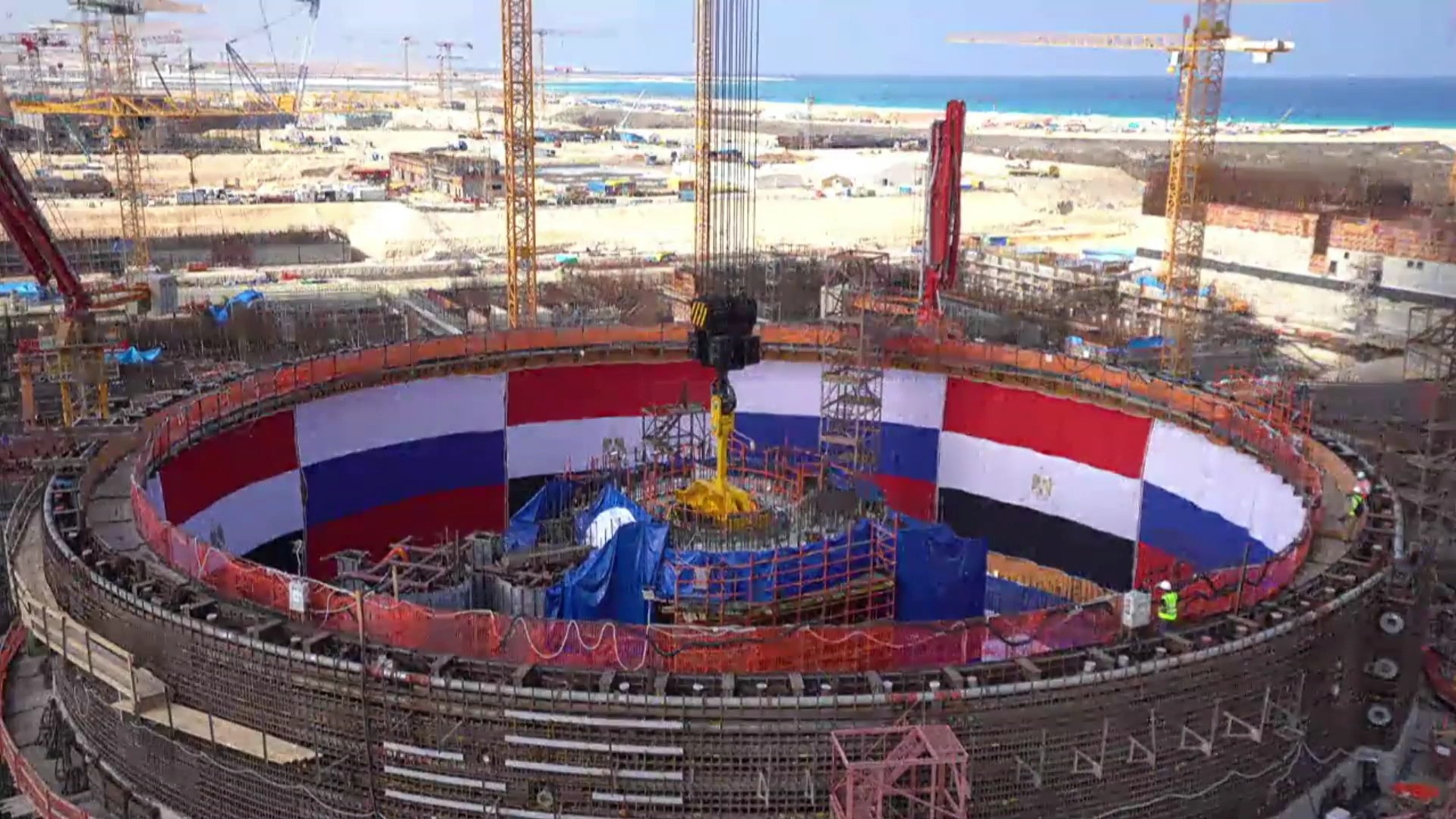
Just days after Egyptian nuclear authorities reportedly accused Rosatom of construction defects, poor management and vi...
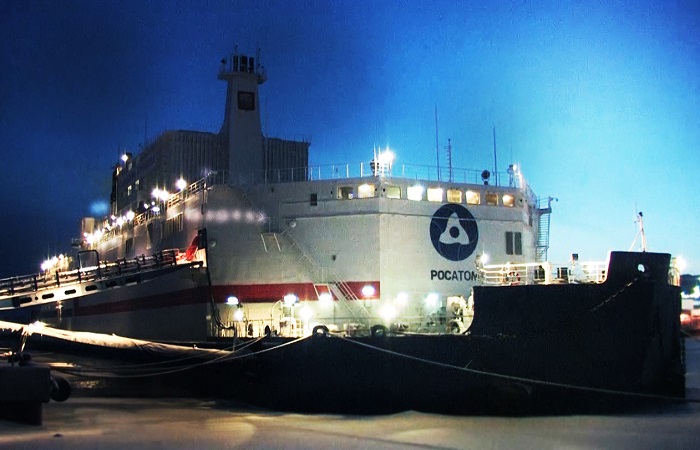
For years, the Akademik Lomonosov looked like one of the nuclear industry’s more eccentric experiments: two reactors mounted on a barge and tow...