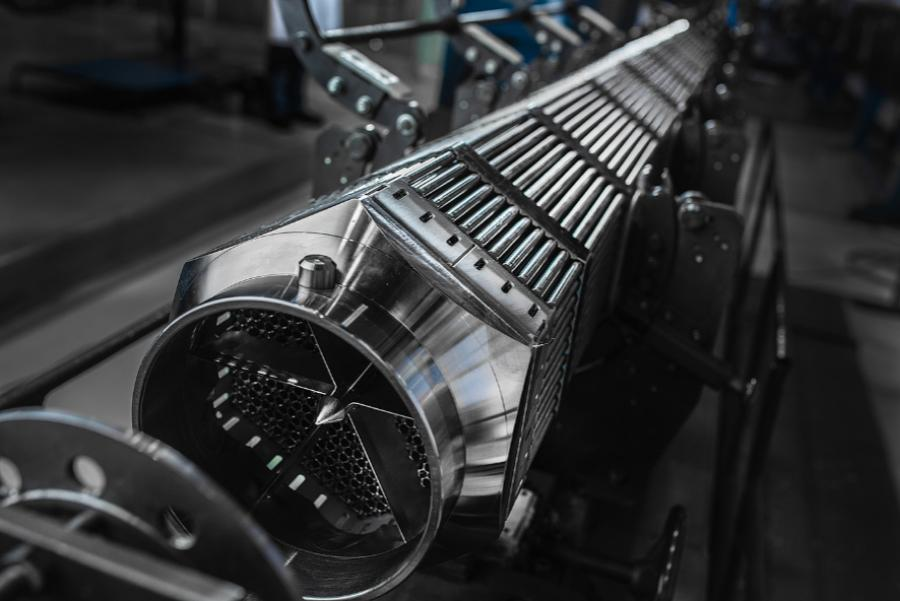
Germany wants independence from Russian nuclear fuel, using Rosatom as a bridge
Europe’s effort to break its dependence on Russian nuclear fuel has a paradox in Germany: making Russian-designed fuel without buying it from Russia ...
News

Publish date: June 3, 2009
Written by: Annicken Vargel
Translated by: Charles Digges
News
Watch the conference live by clicking here.
“We must also acknowledge that increasing poverty and lacking development doesn’t just come from the developed nations greed and consumption, but also our own development paradigms and non-compliance,” said Mkapa
Mkapa has a lot of clout in the negotiations for a new international climate agreement, which will be concluded in Copenhagen this December. He is an advisor to Tanzania, which has been chosen as the negotiations leader for developing nations in the Group of 77 (G77), the caucus organization that helps developing states pursue common goals and develop leverage in United Nations deliberations
Mkapa said further that the problems is not that African leaders aren’t acquainted with the need for a carbon market, investment in clean technology or financial accommodation toward climate change. But they also know that their nations only account for four percent of the world’s total emissions.
Vulnerable to the climate
“We are very vulnerable before the effects of climate change for our existence and survival,” said Mkapa.
Among other things, the last years have shown fewer crops and mounting uncertainty about food supplies.
Mkapa said that other factors are also making African leaders put climate change solutions on the back burner.
“They have been dedicated to hindering stagnation and have promoted economic development,” he said.
The poorest part of the world
Sub-Saharan nations constitute the poorest parts of the world, where most people live on less than a dollar a day.
According to Mkapa, a new climate agreement must take into account the challenges of a green economy with a full understanding of African reality, where a healthy economic system is the backbone of economic and social welfare, as well as a prerequisite to reducing poverty.
“But in the short view, and presumable for the slightly longer view, we are dependent on help,” said Mkapa.
Bellona’s CC9 press contacts:
Anne Karin Sæther: +47 902 05 520
Tone Foss Aspevoll: +47 917 20 267
Europe’s effort to break its dependence on Russian nuclear fuel has a paradox in Germany: making Russian-designed fuel without buying it from Russia ...
Nearly four and a half years after Russia’s full-scale invasion of Ukraine, July offered fresh evidence of how difficult it remains to disentangle Ru...
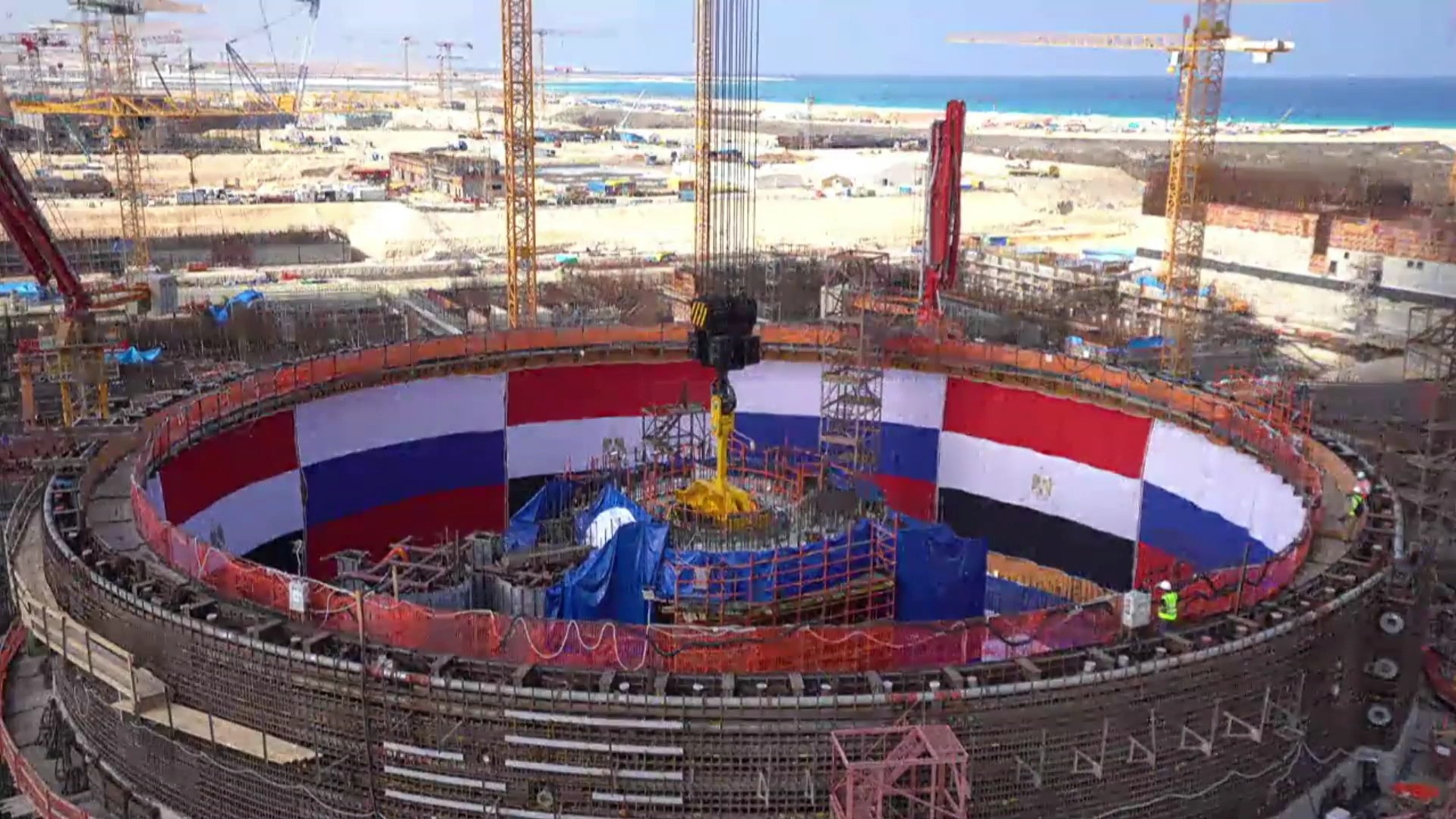
Just days after Egyptian nuclear authorities reportedly accused Rosatom of construction defects, poor management and vi...
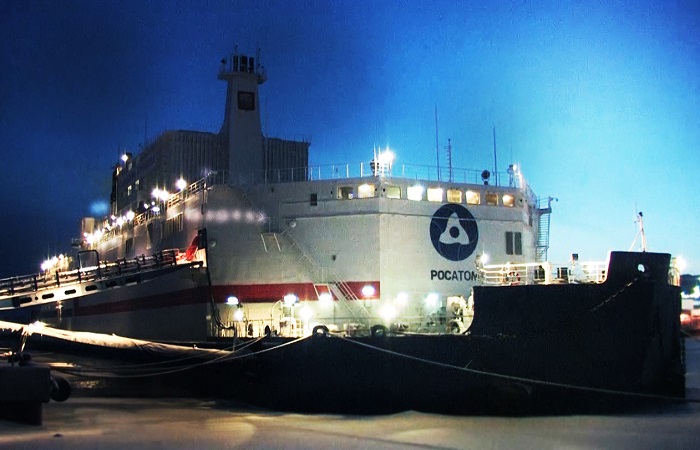
For years, the Akademik Lomonosov looked like one of the nuclear industry’s more eccentric experiments: two reactors mounted on a barge and tow...