
From reactors to shipping: Rosatom tightens its grip on Russian transport
Russia’s state nuclear corporation Rosatom has taken full control of one of the country’s largest logistics companies, consolidating an expanding tra...
News
Publish date: January 14, 2015
News
At present, 2,900 gigatonnes of fossil fuel reserves worldwide are technically and economically recoverable. However, as a number of reports have already warned, only around 1,100 gigatonnes of CO2 can be emitted in order to remain within the 2°C increase target.
What distinguishes this report from previous ones is its detailed division of regions.
With the aid of computer models and taking into account respective regional costs of extraction and assumed future technological development, the UCL report calculates which regions must undertake considerable cuts in output. The results indicate that the Middle East would have to leave about half of its recoverable oil reserves, amounting to around 260 billion barrels, in the ground. The US and Australia, on the other hand, would have to give up 90% of their currently recoverable coal resources.
When it comes to Europe, the study finds that 21% of the continent’s oil reserves, 6% of its natural gas reserves and 89% of its coal reserves must remain unused. The extraction of fossil fuel reserves in the Arctic should be abandoned completely.
Concept of “unemittable carbon”
In reference to the report, Myles Allen, Professor of Geosystem Science at Oxford University, explains that as long as the fossil fuel industry succeeds in extracting energy while capturing the CO2 in the process and storing it underground, then the fossil fuel consumption restrictions prescribed by the report may not apply.
Bellona sees Carbon Capture and Storage (CCS) as the only available technology that can balance EU Member States’ energy security with the Union’s commitments to climate action. To read more see the Bellona Europa brief Ensuring Energy Supply Security in Europe with CCS.
Russia’s state nuclear corporation Rosatom has taken full control of one of the country’s largest logistics companies, consolidating an expanding tra...
August brought signs of growing pressure on several fronts for Russia’s state nuclear corporation Rosatom, from questions surrounding major construct...
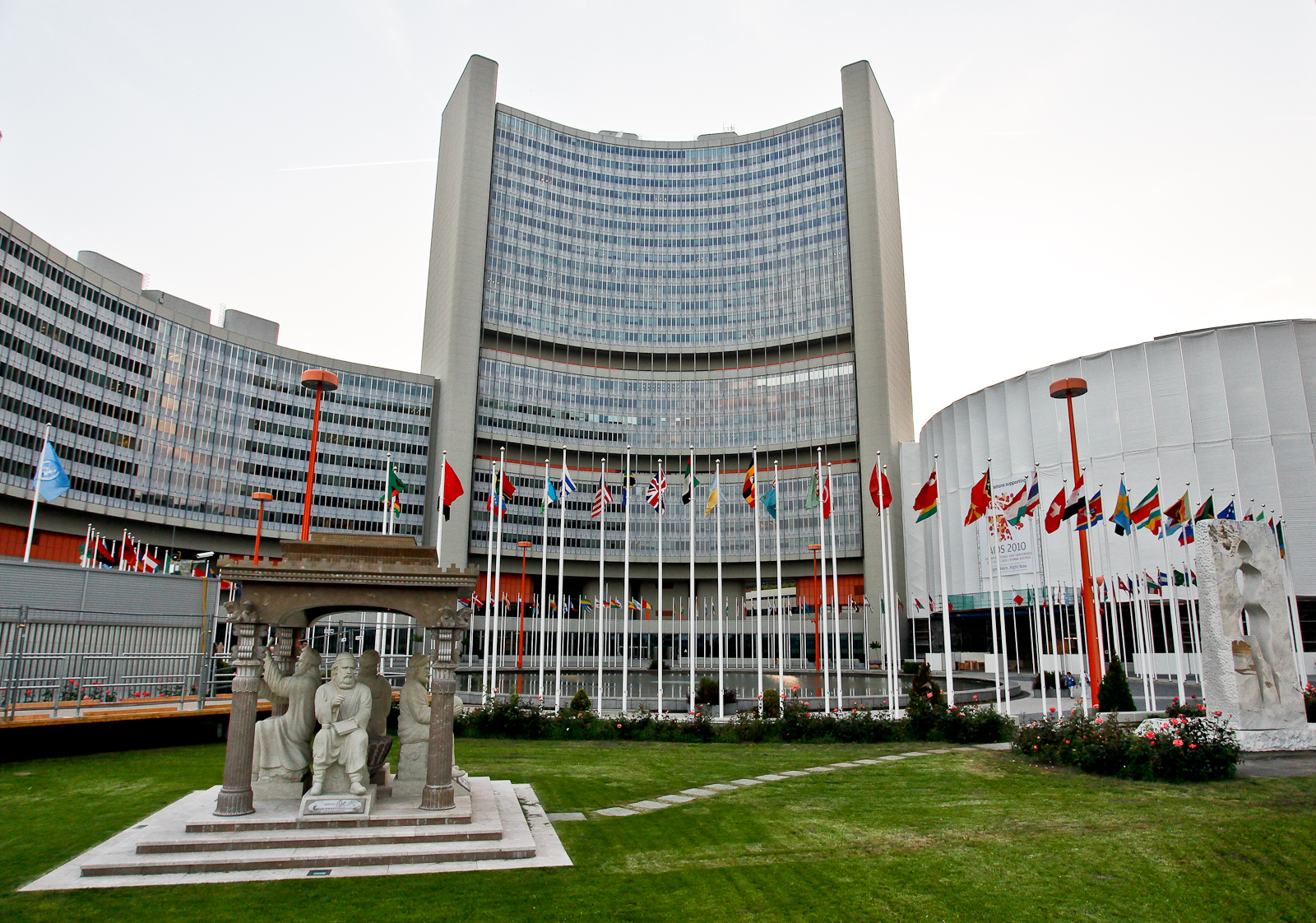
The International Atomic Energy Agency has suspended one of its most senior Russian officials — but for reasons largely unrelated to the questions ab...
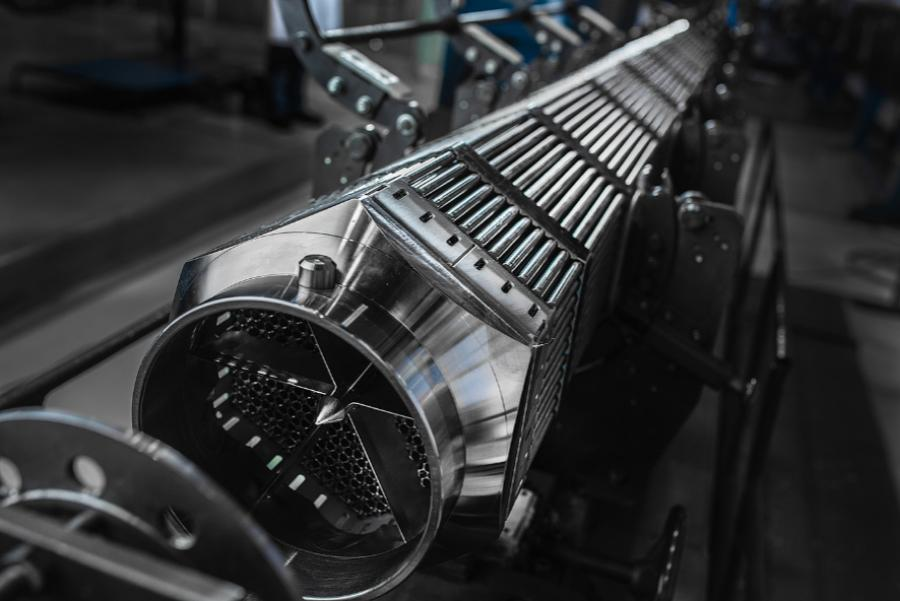
Europe’s effort to break its dependence on Russian nuclear fuel has a paradox in Germany: making Russian-designed fuel without buying it from Russia ...