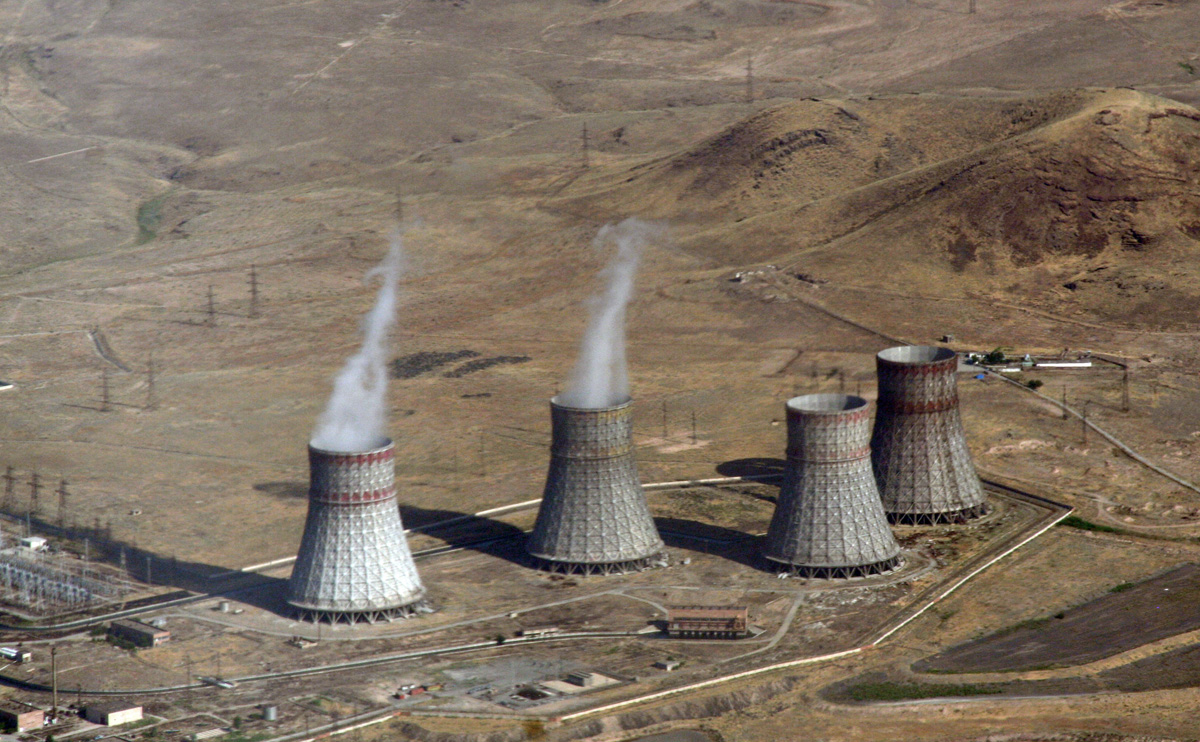
Armenia reconsiders nuclear future as Rosatom offers replacement for aging Soviet reactor
Armenia is reconsidering its plans for a new nuclear power plant after a fresh proposal from Russia’s state nuclear corporation Rosatom and a s...
News
Publish date: November 5, 2014
News
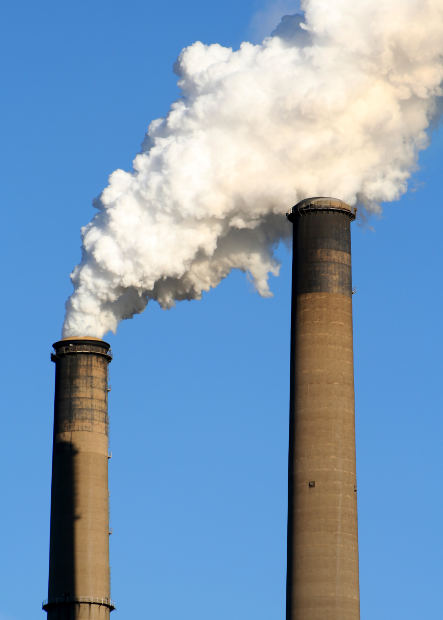
The Synthesis Report constitutes a compilation of hundreds of papers aiming to present the best scientific and economic analysis to government leaders and policymakers worldwide. It is intended to provide guidance to the climate negotiations under the United Nations Framework Convention on Climate Change (UNFCCC) and will be crucial in the conclusion of a global climate agreement at the 21st Conference of the Parties (COP) in Paris in December, 2015.
Reaffirming messages communicated by the IPCC 5th Assessment Report as well as in its draft version which was leaked in September 2014, the Synthesis Report states that “Scenarios that are likely to maintain warming at 2°C include more rapid improvements in energy efficiency and a tripling to nearly a quadrupling of the share of zero- and low-carbon energy supply from renewable energy, nuclear energy and fossil energy with CCS, or bioenergy with CCS (Bio-CCS) by the year 2050”.
Delaying additional mitigation reduces near-term costs, but increases mitigation costs in the medium- to long-term.
The report repeats warnings about the potential rise in cost of mitigation, should CCS deployment be further delayed. It states that “In the absence or under limited availability of mitigation technologies, such as CCS and Bio-CCS, mitigation costs can increase substantially depending on the technology considered.” Moreover it highlights the threat of failure to halt temperature rise within the 2°C threshold “if additional mitigation is considerably delayed, or if availability of key technologies, such as bioenergy, CCS and their combination (Bio-CCS) are limited.
To read the full report click here.
Armenia is reconsidering its plans for a new nuclear power plant after a fresh proposal from Russia’s state nuclear corporation Rosatom and a s...

Russia’s state nuclear corporation Rosatom has taken full control of one of the country’s largest logistics companies, consolidating an expanding tra...
August brought signs of growing pressure on several fronts for Russia’s state nuclear corporation Rosatom, from questions surrounding major construct...
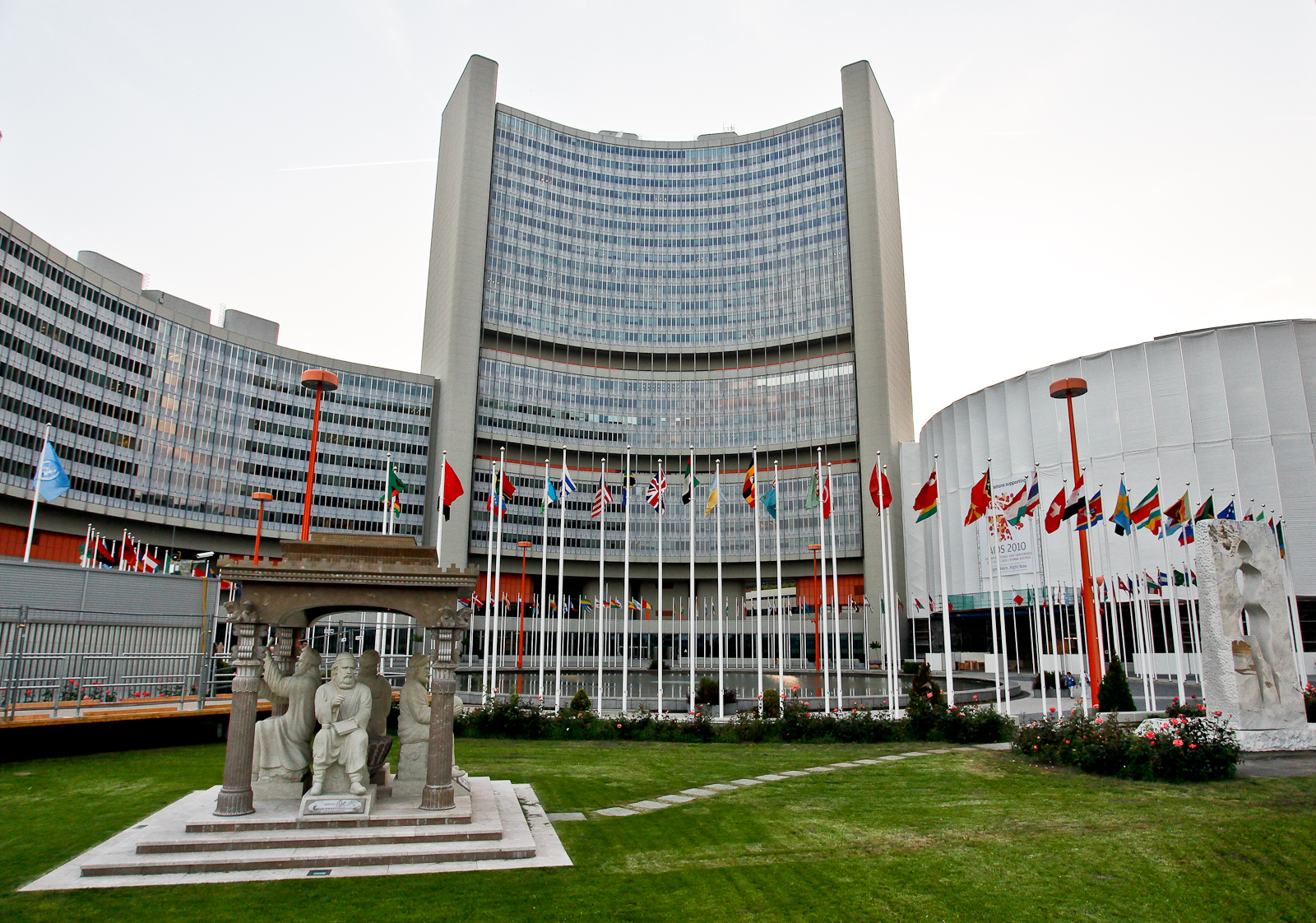
The International Atomic Energy Agency has suspended one of its most senior Russian officials — but for reasons largely unrelated to the questions ab...