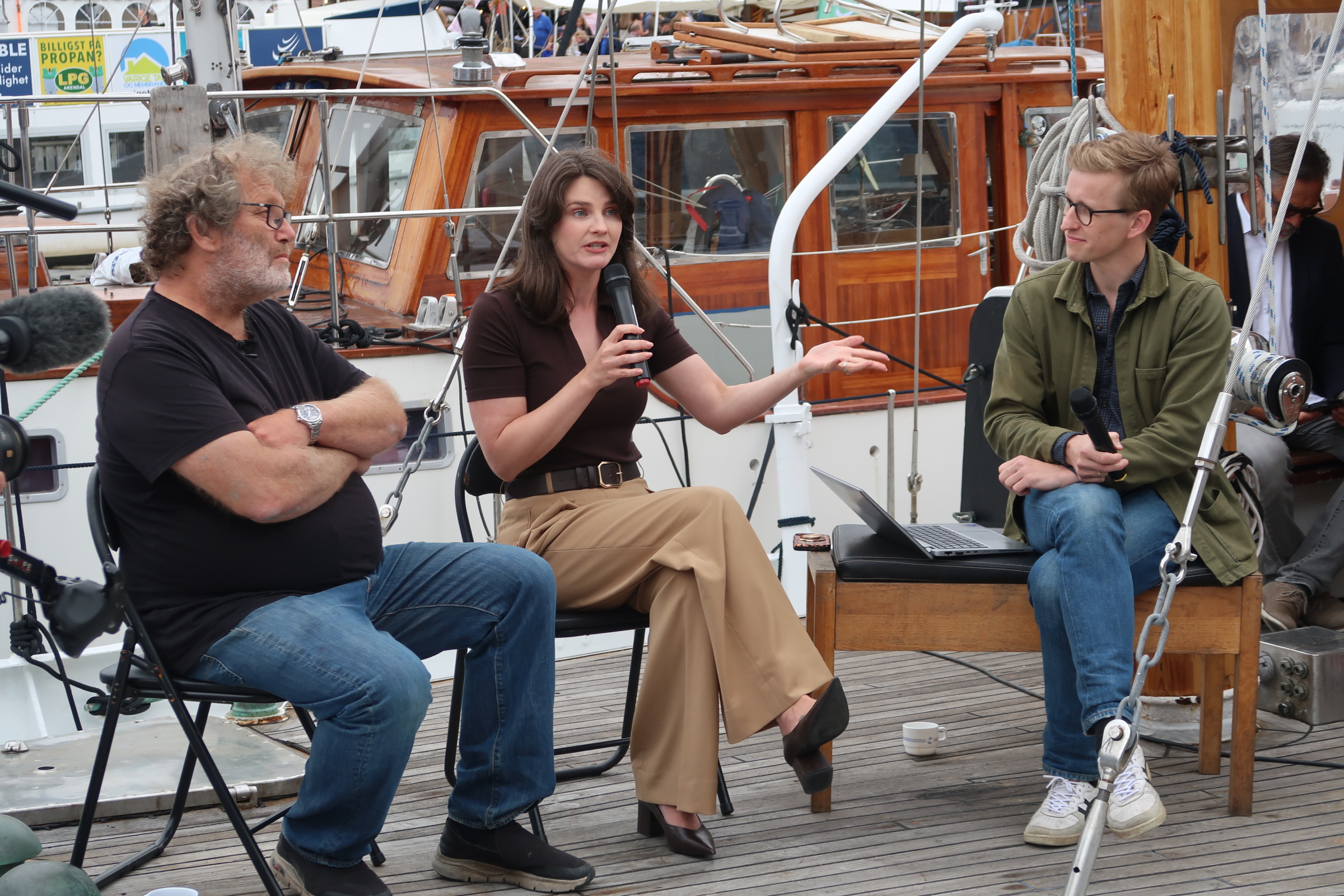
Working to discern patterns of environmental disinformation in an online world
For the past eight years, disinformation has dominated news around elections all over the world. Despite this, it is still a widely misunderstood con...
News

Publish date: February 14, 2014
News
Shortly after the Norwegian Parliament’s Constitutional and Control Committee’s Mongstad hearing (read more here and here) representatives from Canadian SaskPower joined Bellona to talk about CCS. Manager of Carbon capture Technologies, Max Ball and Supervisor of Chemical Services, Colin Campbell came from Canada to tell Norwegian actors about the history behind their CCS facility at Boundary Dam, as well as answer questions about the imminent opening of the facility.
Max Ball confirmed that their project in Canada will be operational “on time and on budget.” He also stressed that the project has not been significantly scaled down and modified, as a number of Norwegian CCS actors have claimed during the Mongstad hearings.
– In the planning phase of the project we of course had to make changes as new information became available, but the project has never been down scaled, Ball emphasized. This consequently mean that some actors have given the Parliament Committee wrong information about the Boundary Dam project.
After the last hearing day representatives from the Norwegian liberal party (Venstre) pronounced in Norwegian press that Norway should look at options for full-scale CCS beyond Norway. Bellona leader Frederic Hauge, who has been present at the Mongstad hearings, is firm that:
– If the government, as they have outlined in their governing platform, will go above and beyond their climate agreement [Klimaforliket], one must establish a full-scale plant on Norwegian soil. Bellona of course supports every initiative to contribute to global CO2 reductions and technology development in other countries, but this does not mean that Norwegian politicians can break their own climate commitments.
Bellona’s Sirin Engen presented options for future CCS development in Norway:
– Bellona, along with the many world leading Norwegian CCS operators will now look at the future of CCS in Norway. We will learn from both Mongstad and successful projects like Boundary Dam and see how Norway can exploit the knowledge we have garnered from over 40 years of offshore oil and gas development, said Engen. – We are convinced that it is necessary to look at the overall development of CO2 capture and storage, and our contribution to this can certainly be to find good methods for storing CO2 in the North Sea, she continued.
How the EU chooses to shape their climate and energy policy in the future will have a lot to say for CCS both in Norway and globally. Marika Andersen from Bellona’s Brussels office stressed that the EU recognizes the need for CCS in the years 2020 and 2030, as outlined in the 2030 framework proposal (read more here):
– One thing is such acknowledgment, another is the provision og flexible mechanisms to ensure the financial and political support new technologies such as CCS needs, Andersen underlined in her presentation.
The Bellona CCS Forum was established as an arena where Norwegian actors can exchange experiences and information about the development of CO2 capture and storage ( CCS ). The goal is to provide updated information about ongoing processes in the EU and the European Technology Platform for CCS (ZEP).
Original article in Norwegian by Bellona’s Maya Boutroue Vedeld.
For the past eight years, disinformation has dominated news around elections all over the world. Despite this, it is still a widely misunderstood con...
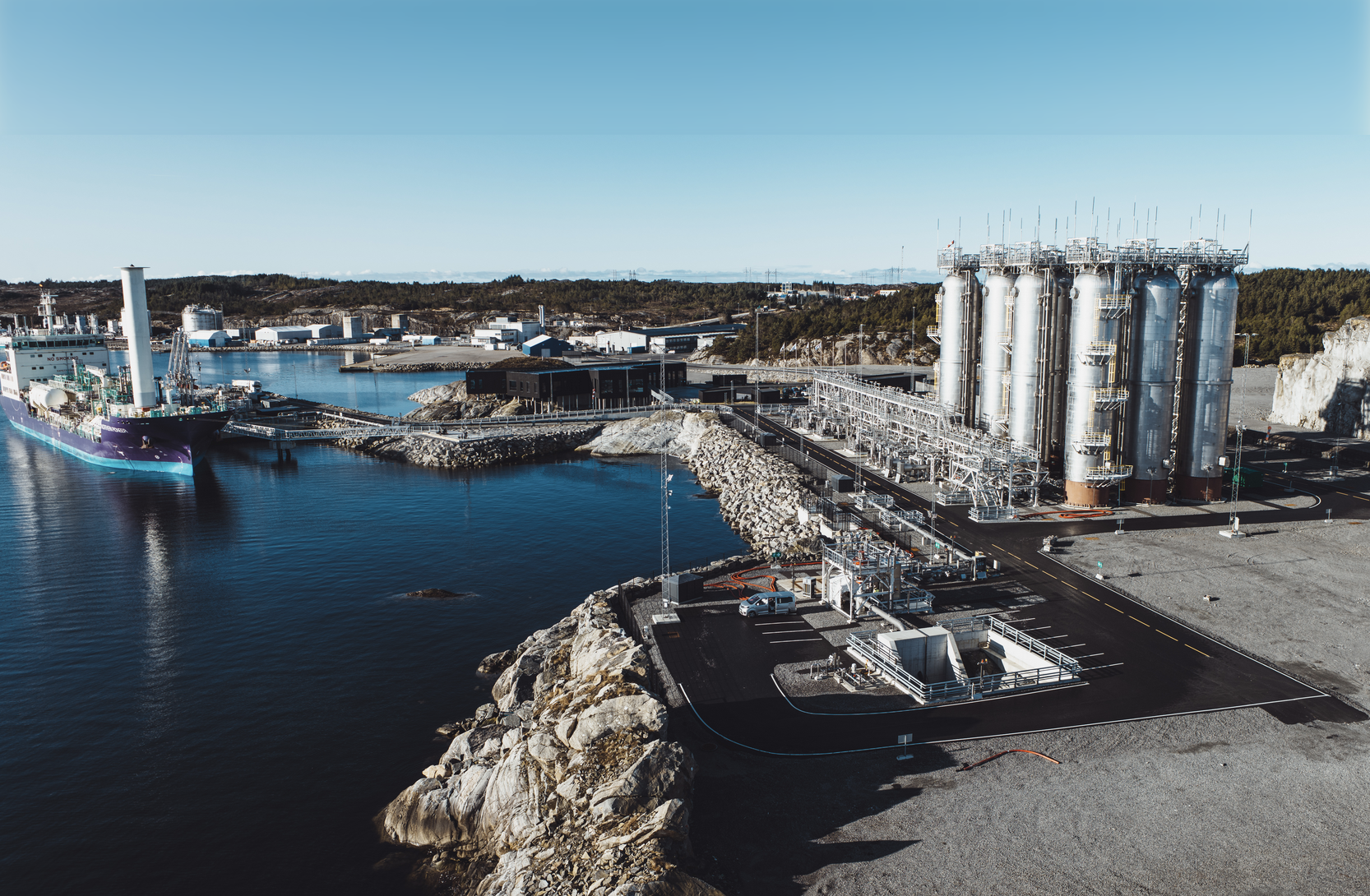
A ruling by the European Free Trade Association Court that Norway’s continental shelf falls under the European Economic Area Agreement could dramatic...
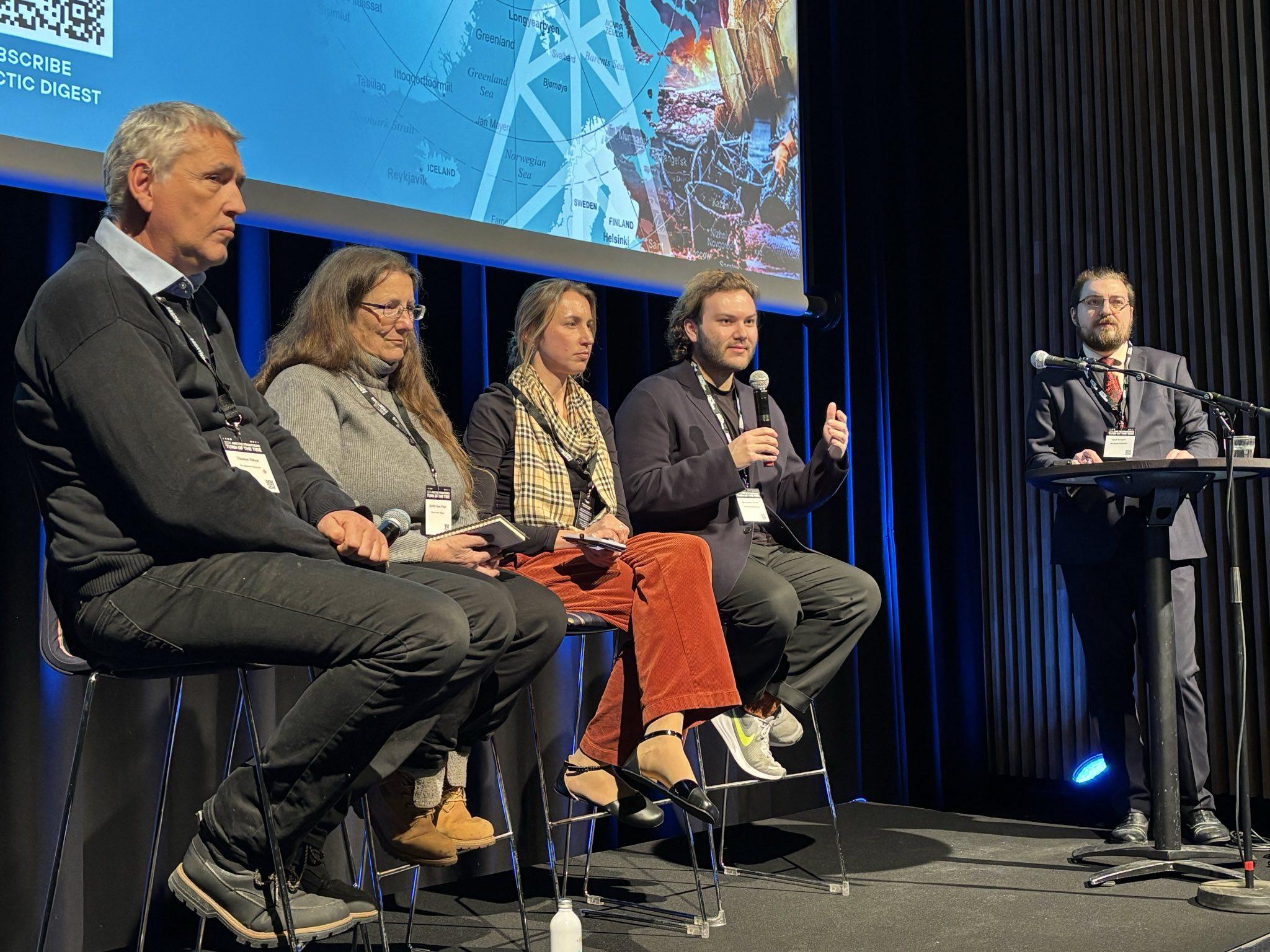
Bellona held a seminar on countering Russian disinformation in the Arctic at the Arctic Frontiers international conference in Norway

Our December Nuclear Digest, reported by Bellona’s Environmental Transparency Center, is out now. Here’s a quick taste of three nuclear issues arisin...