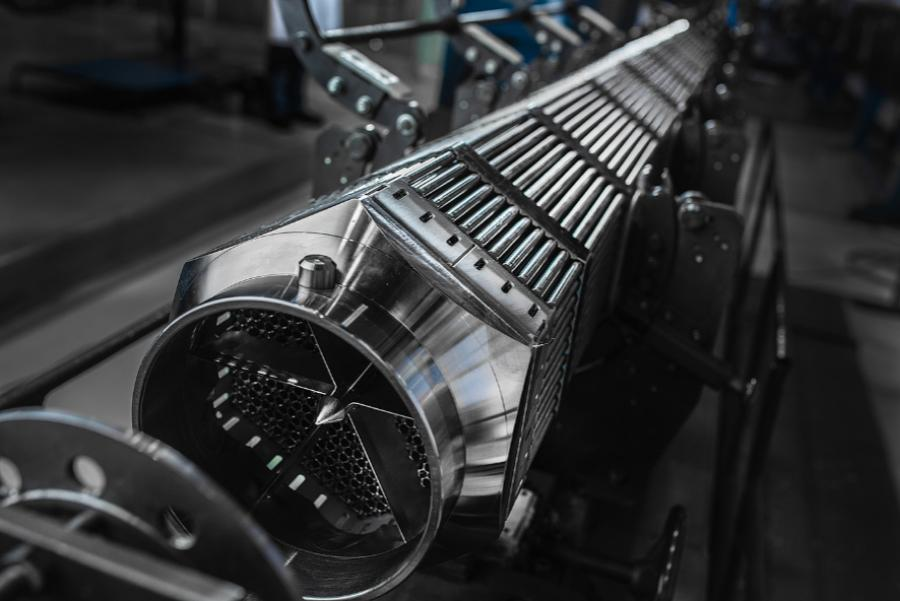
Germany wants independence from Russian nuclear fuel, using Rosatom as a bridge
Europe’s effort to break its dependence on Russian nuclear fuel has a paradox in Germany: making Russian-designed fuel without buying it from Russia ...
News
Publish date: December 16, 2003
News
Japan allocated the funds under the Russian-Japanese project The Star of Hope. The decision to scrap one nuclear submarine using the joint Russian-Japanese funding was made in February 2003 and the Executive Agreement about Nuclear Submarine Dismantling was signed in June. There are 42 nuclear submarines taken out of service at the Pacific Fleet, 36 of them are half-afloat. It was registered 3 accidents on the retired submarines leading to the radioactive discharge in the recent years, Vostok-Media reported.
The Japanese government allocated 20.4 billion yen (about $170m) to provide assistance to Russia in disposal of nuclear weapons, Nuclear.ru reported. Out this amount 4.2 million yen were spent to build the Landysh liquid radioactive waste processing facility at the shipyard Zvezda. The facility is a part of the infrastructure that ensures safe handling of radioactive waste, their temporary storage on the site and shipment to permanent storage facilities. The construction of the facilities took seven years with the financial assistance provided by the USA and Japan.
Europe’s effort to break its dependence on Russian nuclear fuel has a paradox in Germany: making Russian-designed fuel without buying it from Russia ...
Nearly four and a half years after Russia’s full-scale invasion of Ukraine, July offered fresh evidence of how difficult it remains to disentangle Ru...
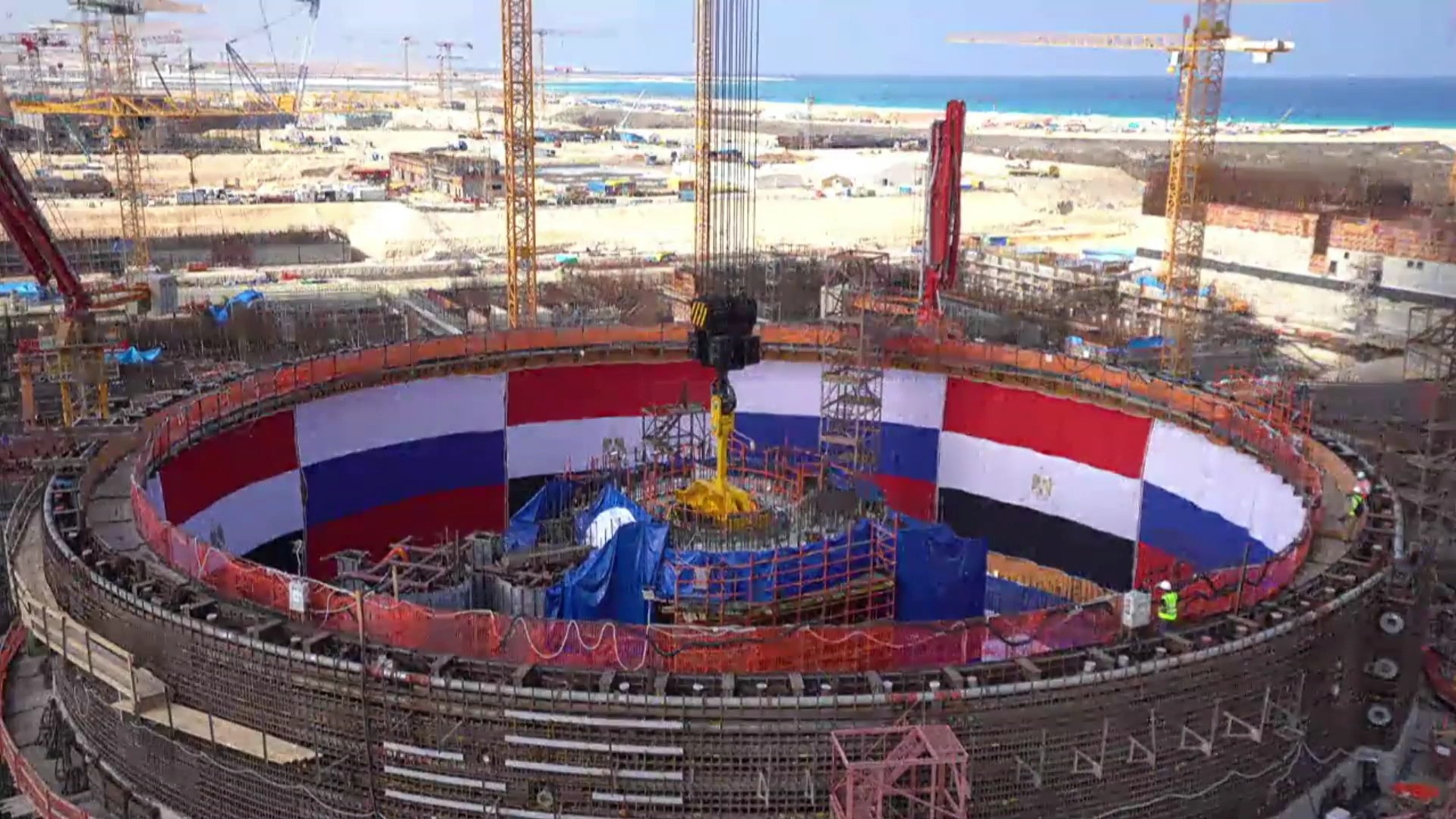
Just days after Egyptian nuclear authorities reportedly accused Rosatom of construction defects, poor management and vi...
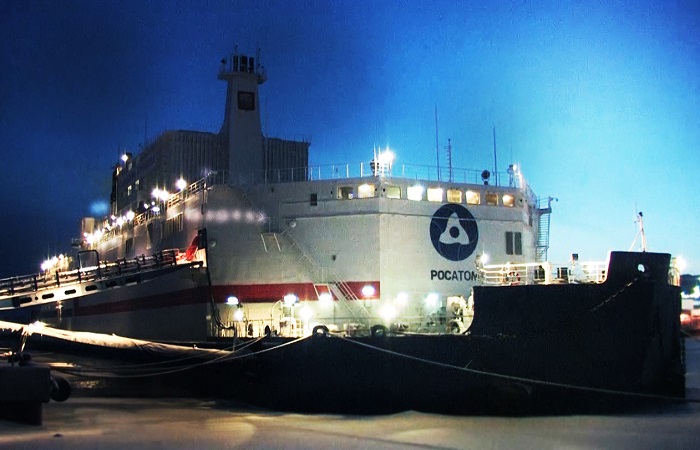
For years, the Akademik Lomonosov looked like one of the nuclear industry’s more eccentric experiments: two reactors mounted on a barge and tow...