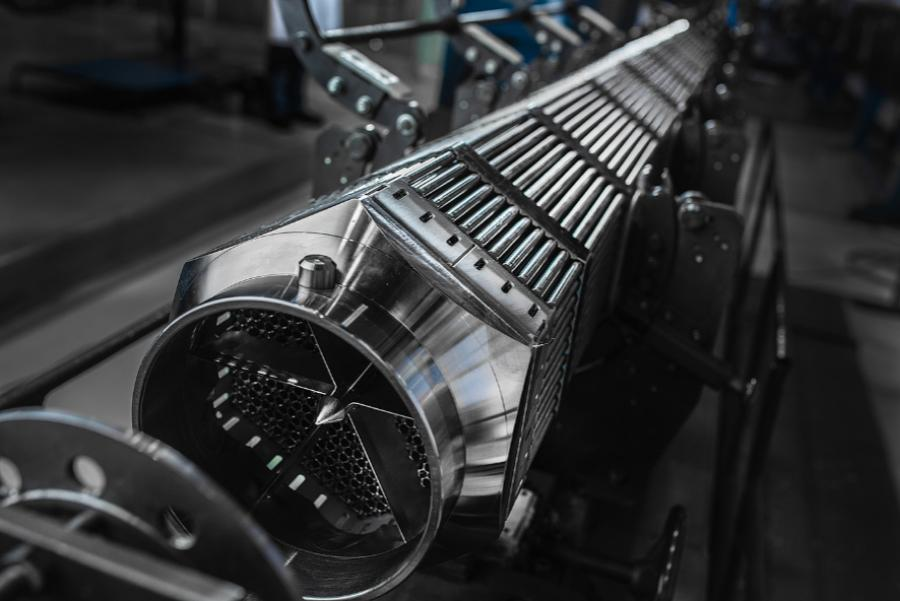
Germany wants independence from Russian nuclear fuel, using Rosatom as a bridge
Europe’s effort to break its dependence on Russian nuclear fuel has a paradox in Germany: making Russian-designed fuel without buying it from Russia ...
News
Publish date: February 7, 2003
News
The tempo of defuelling activities kept pace with the budget increase. In 1998, four nuclear submarines were defuelled in the Northern Fleet, while in 1999, the number increased to six. I n 2000, according to official returns, 14 submarines were defuelled. In 2001, 16 submarines have been earmarked for defuelling, assuming the availability of funding.
| Funding, $m | 1998 | 1999 | 2000 | 2001 (planned) |
| Federal budget | 4.1 | 6.4 | 5.1 | |
| HEU sales | – | 13.8 | 28.2 | |
| Minatom’s budget | – | 3.6 | 6.9 | |
| Total | 4.1 | 23.8 | 40.2 | 90.7 |
| Table 7. Funding for decommissioning nuclear submarines in 1998-2001 | ||||
Minatom also has the responsibility to ensure that no superfluous infrastructure is built. According to Minatom, the number of submarines defuelled per year can easily be increased to 30, but this will require an expansion of a type of infrastructure which will become useless once the spent nuclear fuel is unloaded from all retired submarines. Minatom considers that the optimal solution would be to dismantle 20 to 25 submarines per year. At this rate, the problems revolving around decommissioning would be resolved within six to seven years. The cost would be around $71.4 million per year.
Europe’s effort to break its dependence on Russian nuclear fuel has a paradox in Germany: making Russian-designed fuel without buying it from Russia ...
Nearly four and a half years after Russia’s full-scale invasion of Ukraine, July offered fresh evidence of how difficult it remains to disentangle Ru...
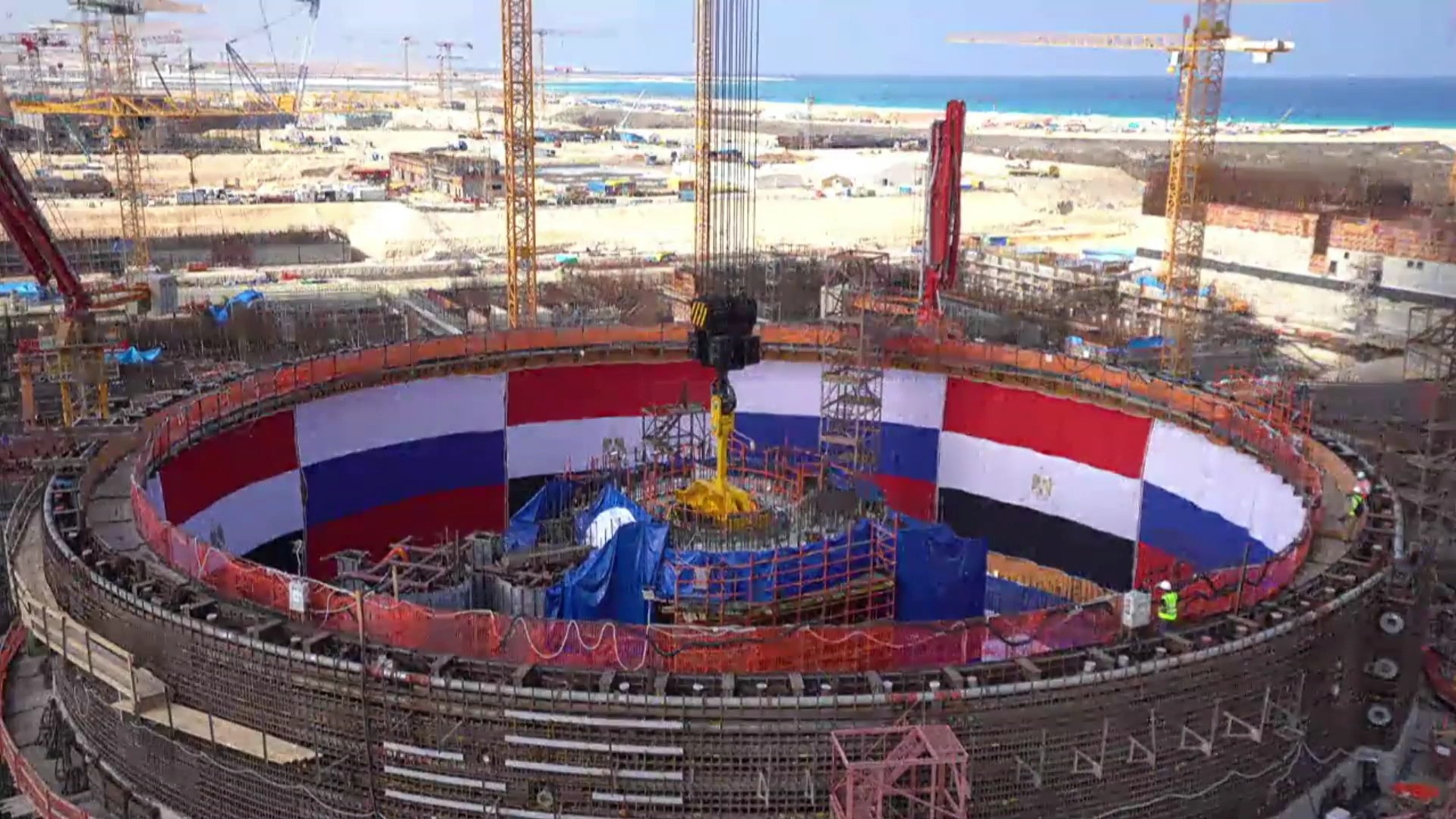
Just days after Egyptian nuclear authorities reportedly accused Rosatom of construction defects, poor management and vi...
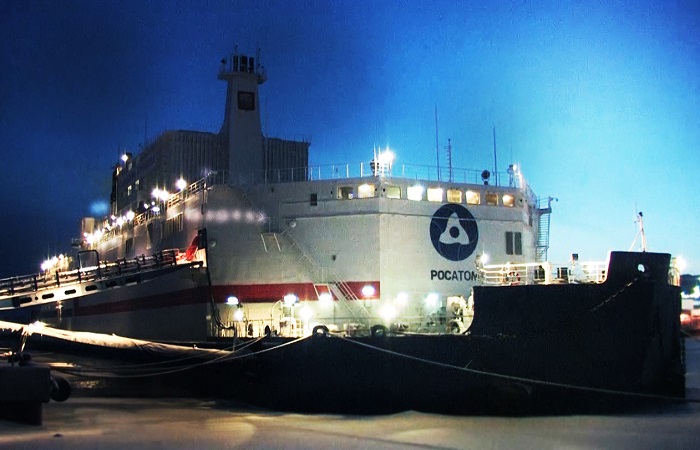
For years, the Akademik Lomonosov looked like one of the nuclear industry’s more eccentric experiments: two reactors mounted on a barge and tow...