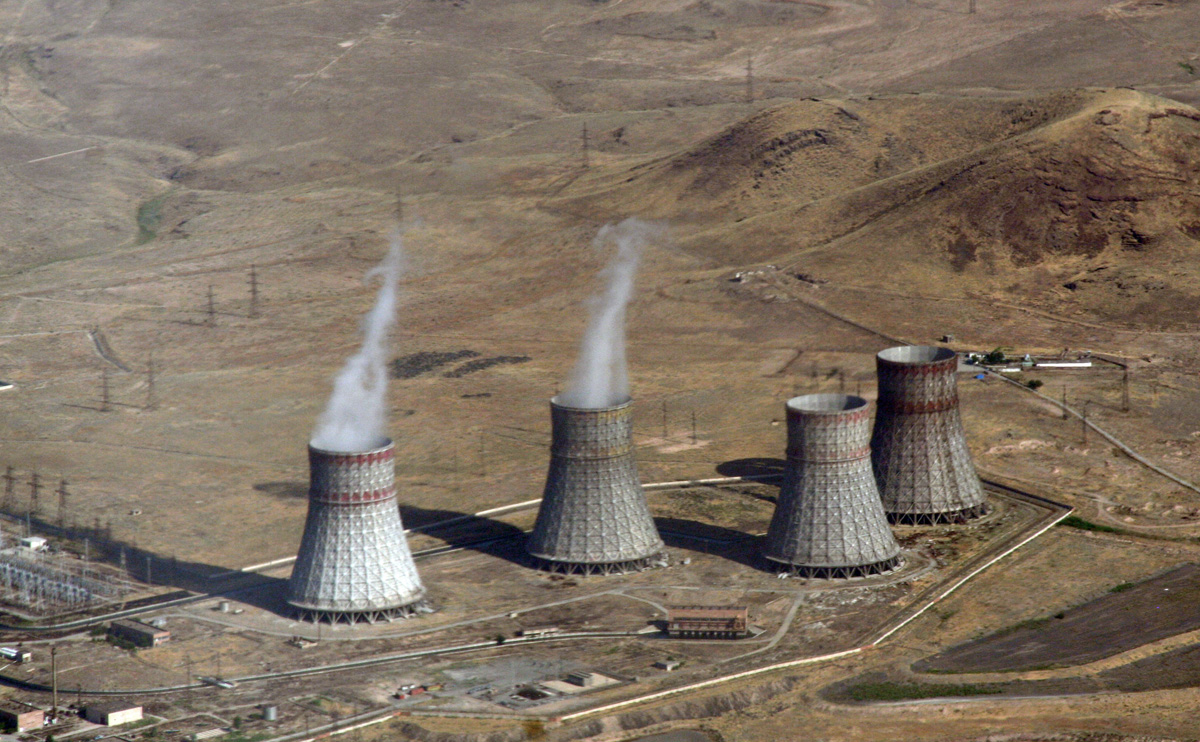
Armenia reconsiders nuclear future as Rosatom offers replacement for aging Soviet reactor
Armenia is reconsidering its plans for a new nuclear power plant after a fresh proposal from Russia’s state nuclear corporation Rosatom and a s...
News
Publish date: August 11, 1999
Written by: Alexey Klimov
News
The first week of July, a Typhoon class nuclear powered submarine arrived at Sevmash shipyard, Severodvinsk, to get scrapped. The decommissioning of the submarine is funded by Co-operative Threat Reduction program.
Russia has built six Typhoon class submarines – the biggest nuclear powered submarines ever built. The submarine to get scrapped shortly has TK-202 identification number. It was launched at Sevmash shipyard on 26 April 1982.
The American Co-operative Threat Reduction program, or CTR, funds the decommissioning work. CTR’s objective is to dismantle five Typhoons in total in the years to come.
The plans for dismantlement of Typhoons have never been confirmed by the Russian Navy publicly, and have been referred to only by CTR. In 1996, the Russian navy magazine Morskoy Sbornik reported, however, that two Typhoons were put on reserve. Lack of proper maintenance and finances to upgrade the submarines were named among the main reasons.
There are strong indications that such plans can meet protest from the Russian Lower House of the Parliament, or State Duma, once this news grips their attention.
The remaining five Typhoons are stationed at Nerpichya in Zapadnaya Litsa Bay at the Kola Peninsula.
Armenia is reconsidering its plans for a new nuclear power plant after a fresh proposal from Russia’s state nuclear corporation Rosatom and a s...

Russia’s state nuclear corporation Rosatom has taken full control of one of the country’s largest logistics companies, consolidating an expanding tra...
August brought signs of growing pressure on several fronts for Russia’s state nuclear corporation Rosatom, from questions surrounding major construct...
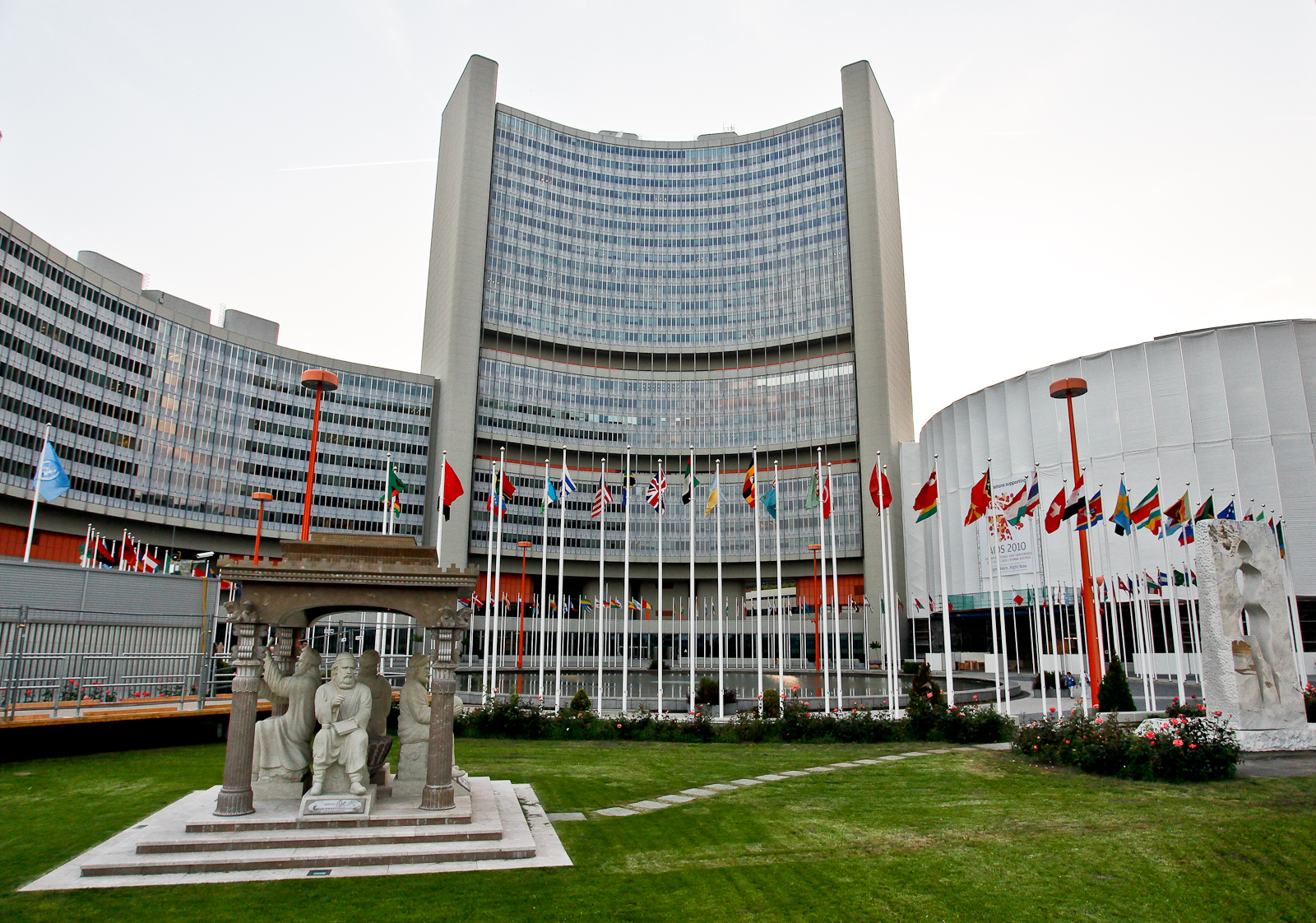
The International Atomic Energy Agency has suspended one of its most senior Russian officials — but for reasons largely unrelated to the questions ab...