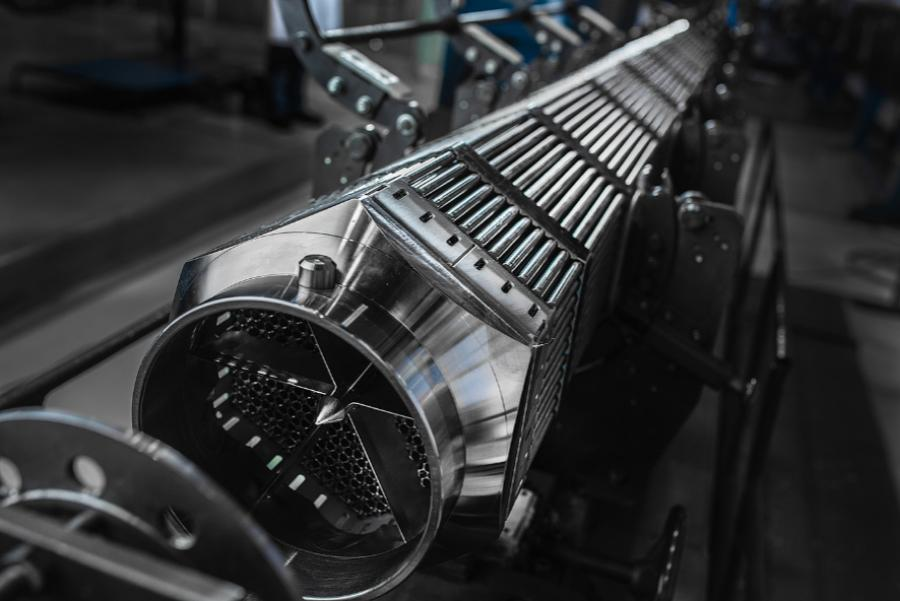
Germany wants independence from Russian nuclear fuel, using Rosatom as a bridge
Europe’s effort to break its dependence on Russian nuclear fuel has a paradox in Germany: making Russian-designed fuel without buying it from Russia ...
News
Publish date: June 23, 1998
Written by: Igor Kudrik
News
Gremikha (Murmansk-140 or Ostrovnoy) was once one of the main bases for strategic nuclear-powered submarines, visited by both Nikita Kruschov and Leonid Brezhnev back in the Soviet era. Today, it is on the brink of collapse. During the past 7 years, the population in Gremikha fell to 10 000 from a peak of 30 000. Only a few operational submarines are still based there, and some 20 boats are laid up with spent fuel inside their reactors.
Gremikha has storage facilities for spent nuclear fuel and radwaste. These facilities are taken out of operation, while inside some of them spent fuel still remains. About 110 containers with spent fuel are placed outdoors without any form of protective cover or shielding. In addition, there are 6 liquid metal reactor cores in Gremikha’s storage facility – the remnants of 7 Alfa-class submarines built by the USSR.
The dry dock (SD-10), located in Gremikha, was officially taken out of operation in 1997. The dock is awaiting repairs with a price tag of 5,5 million USD. Reportedly, the repairs started this summer, but the pace of progress remains unknown.
This particular dry dock could allow the base to survive. The head of the administration of the city adjacent to the base went to Moscow this month to suggest usage of the dry dock for submarine decommissioning purposes. Talks were held with the Ministry for Atomic Energy, Defence Ministry and Ministry of Economy of Russia. The result is unclear so far.
All shipyards on the Kola Peninsula want the 20 laid-up submarines from Gremikha to fill their empty work order books. But Gremikha may stand the best chance of keeping the work, if the vessels are not in the condition to be towed to other places for scrapping.
Europe’s effort to break its dependence on Russian nuclear fuel has a paradox in Germany: making Russian-designed fuel without buying it from Russia ...
Nearly four and a half years after Russia’s full-scale invasion of Ukraine, July offered fresh evidence of how difficult it remains to disentangle Ru...
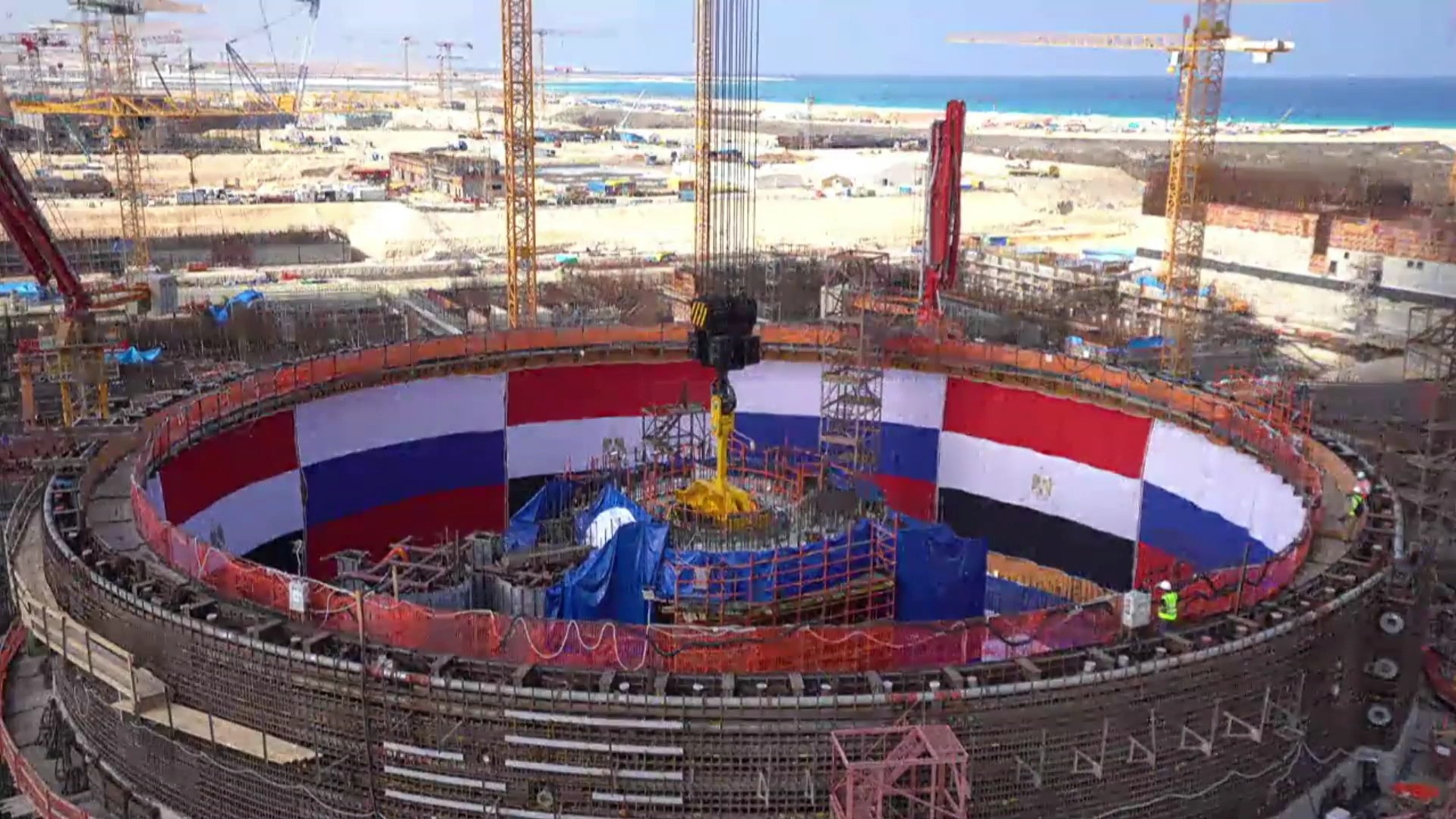
Just days after Egyptian nuclear authorities reportedly accused Rosatom of construction defects, poor management and vi...
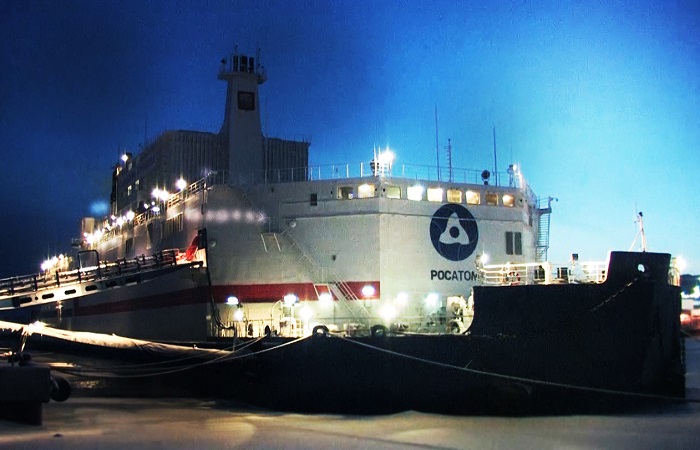
For years, the Akademik Lomonosov looked like one of the nuclear industry’s more eccentric experiments: two reactors mounted on a barge and tow...