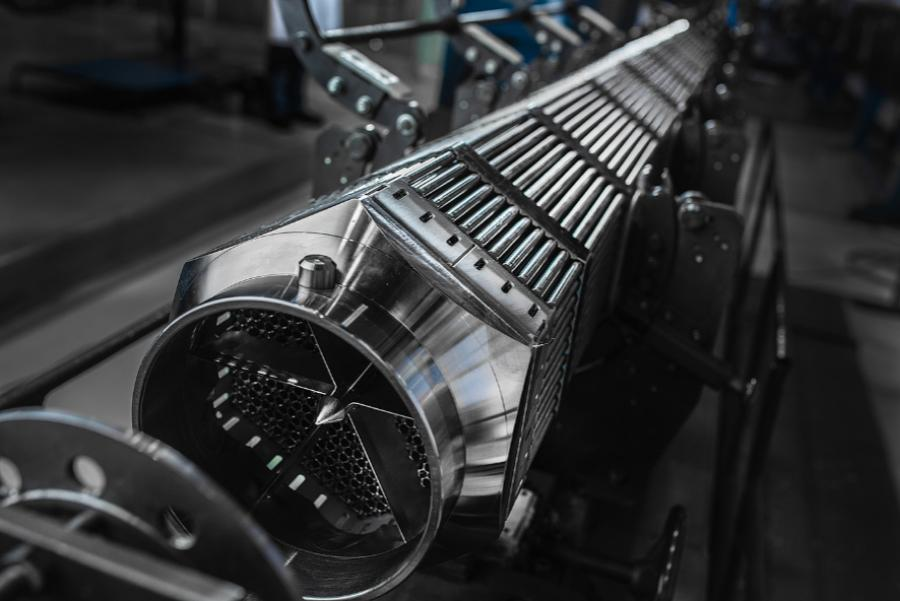
Germany wants independence from Russian nuclear fuel, using Rosatom as a bridge
Europe’s effort to break its dependence on Russian nuclear fuel has a paradox in Germany: making Russian-designed fuel without buying it from Russia ...
News
Publish date: February 9, 2006
News
Total four grants are signed with the participation of Rosatom, Murmansk administration and SevRAO Company. The first contract concerns the conditions for storage of the spent nuclear fuel from Alfa class nuclear submarine with liquid metal coolant reactor.
Two contracts deal with developing the concept of removing spent nuclear fuel and solid radwaste from the open storage facilities and securing safety conditions for the spent nuclear fuel in the existing facilities. The last contract concerns improving of the physical protection at the Gremikha base. The SevRAO chief engineer Victor Khandobin said to Interfax that the active phase of the contracts would begin in March. However, in the frames of the fourth project the first mobile decontamination station has been already installed. The second decontamination station is to be established by spring. The France takes part in the project in the frames of the agreement signed by France, European Bank of Reconstruction and Development and TACIS program.
Gremikha is the second land storage facility of the Northern fleet and is the biggest site for the laid-up nuclear submarines, mostly first generation. The base is situated approximately 350km from the Murmansk harbour and cannot be reached by land transport. The connection is only by sea or air. The base is accommodating 800 rods with spent nuclear fuel and six active zones from the reactors with liquid coolant of Alfa class submarines, project 705. Besides, 19 submarines and 38 reactors with unloaded spent nuclear fuel are also stored at the site. In 2001, the navy on-shore facilities in Gremikha and Andreyeva bay were handed over to the Northern Federal Company on handling with radioactive waste, or SevRAO, which was established by Russia to create infrastructure on nuclear submarines dismantling, handling of the nuclear spent fuel and radioactive waste, rehabilitation of the nuclear sites in the North of Russia, reported Interfax.
Europe’s effort to break its dependence on Russian nuclear fuel has a paradox in Germany: making Russian-designed fuel without buying it from Russia ...
Nearly four and a half years after Russia’s full-scale invasion of Ukraine, July offered fresh evidence of how difficult it remains to disentangle Ru...
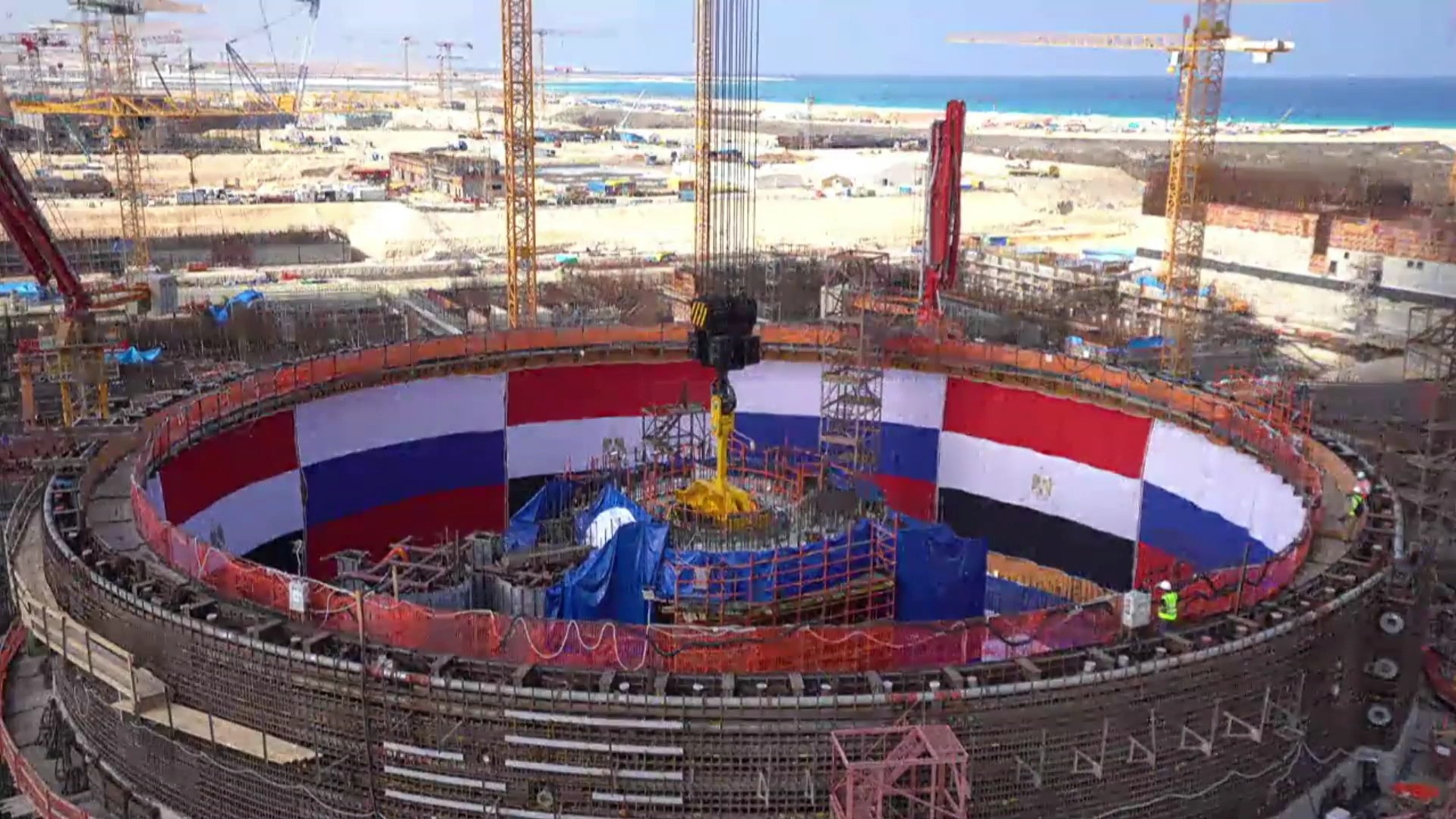
Just days after Egyptian nuclear authorities reportedly accused Rosatom of construction defects, poor management and vi...
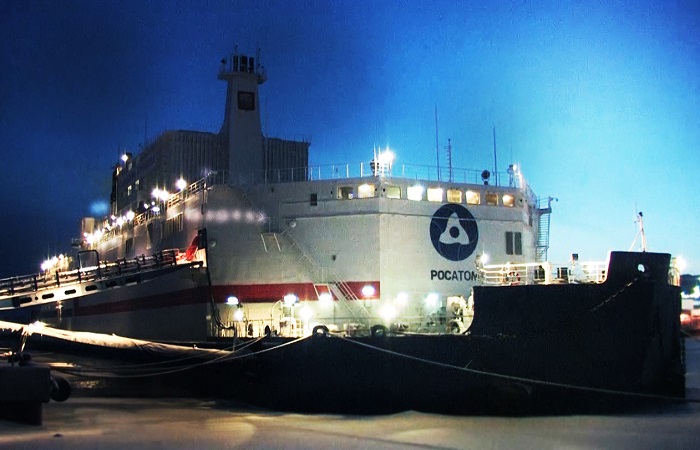
For years, the Akademik Lomonosov looked like one of the nuclear industry’s more eccentric experiments: two reactors mounted on a barge and tow...