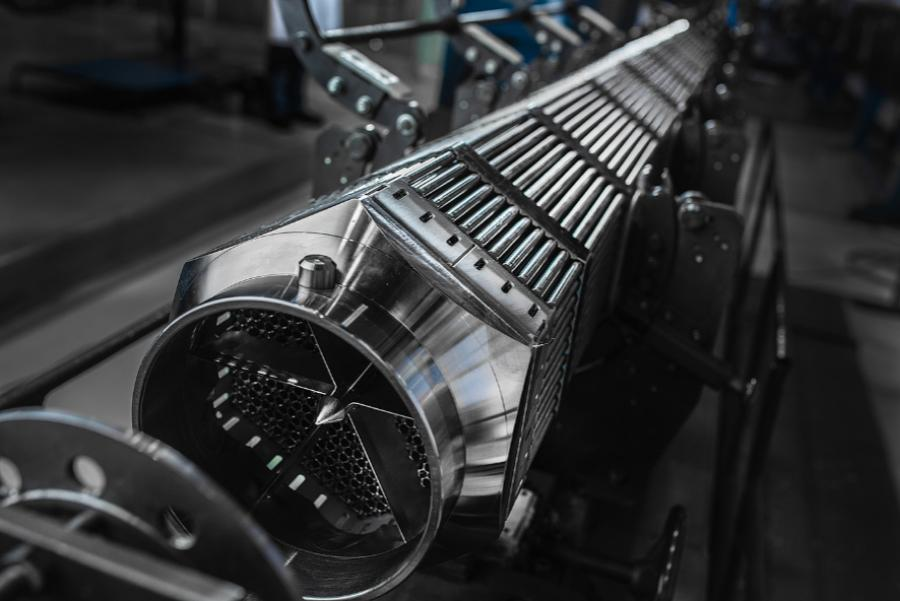
Germany wants independence from Russian nuclear fuel, using Rosatom as a bridge
Europe’s effort to break its dependence on Russian nuclear fuel has a paradox in Germany: making Russian-designed fuel without buying it from Russia ...
News

Publish date: September 22, 2000
Written by: Thomas Nilsen
News
Greenpeace fears that Chelyabinsk might be the dumping ground for nuclear waste from all round the world if the Russian Ministry of Nuclear Energy (Minatom) gets approval for its plans to open up for import of spent nuclear fuel. Russia’s only operating reprocessing facility for spent fuel (RT-1) is located in Mayak, just north of Chelyabinsk.
Early morning today, four activists climbed up to the top of the Kurchatov statue near the Technical University in Chelyabinsk. At lunchtime, the four, together with four others on the ground were arrested by the local police.
The slogan set up was saying, "Nuclear waste: Money for the officials – coffins for the people."

Greenpeace demands a referendum in Russia about the planned nuclear waste import. The lobby campaign from Minatom on lifting the existing legislation, which bans the import of foreign radioactive waste to Russia, needs a referendum response from the population says Greenpeace.
It’s not only Greenpeace and the local environmental groups in Chelyabinsk which are concerned about the situation in Mayak. Today, the European Commission (EC) warned that the reprocessing plant in Mayak is at risk of a serious accident.
Interview by BBC News, EC head of Nuclear Safety, Derek Taylor said "There’s always the potential for another accident."
"More waste is being stored than they really have safe capacity to store," he said.
Back in 1992, the Bellona Foundation warned the world community about the high risks of accidents at Mayak, and the tremendous problems related to storage of radioactive waste in the Mayak area. A Bellona report pointed out the unsatisfactory situation at the nuclear dump lake Karatchay, the water reservoirs where liquid radioactive waste are stored and the earlier dumping of highly radioactive waste into the Tetcha River.
Europe’s effort to break its dependence on Russian nuclear fuel has a paradox in Germany: making Russian-designed fuel without buying it from Russia ...
Nearly four and a half years after Russia’s full-scale invasion of Ukraine, July offered fresh evidence of how difficult it remains to disentangle Ru...
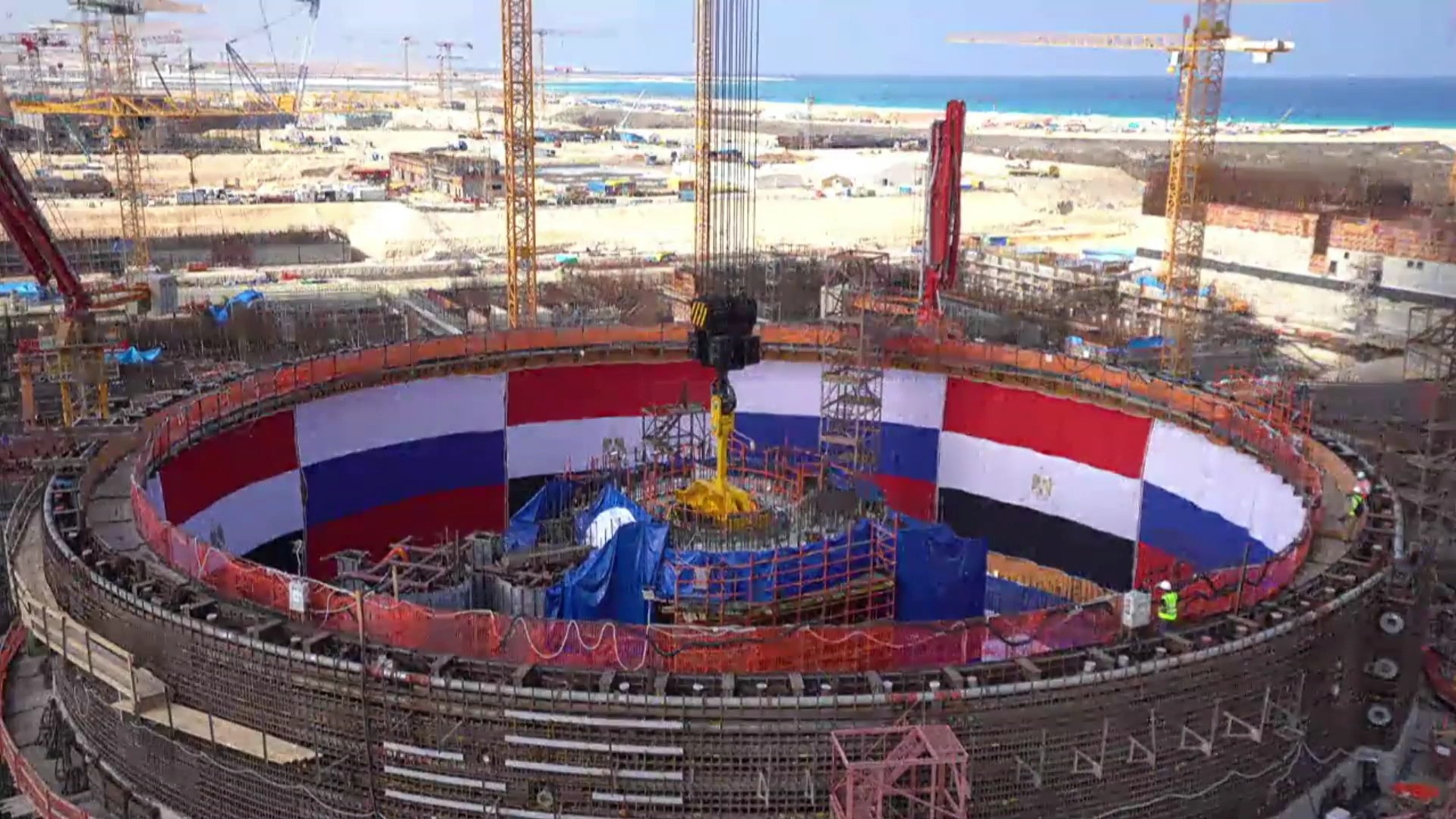
Just days after Egyptian nuclear authorities reportedly accused Rosatom of construction defects, poor management and vi...
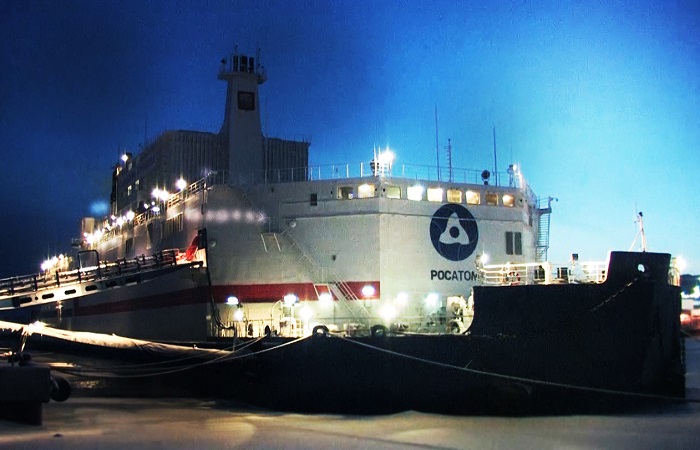
For years, the Akademik Lomonosov looked like one of the nuclear industry’s more eccentric experiments: two reactors mounted on a barge and tow...