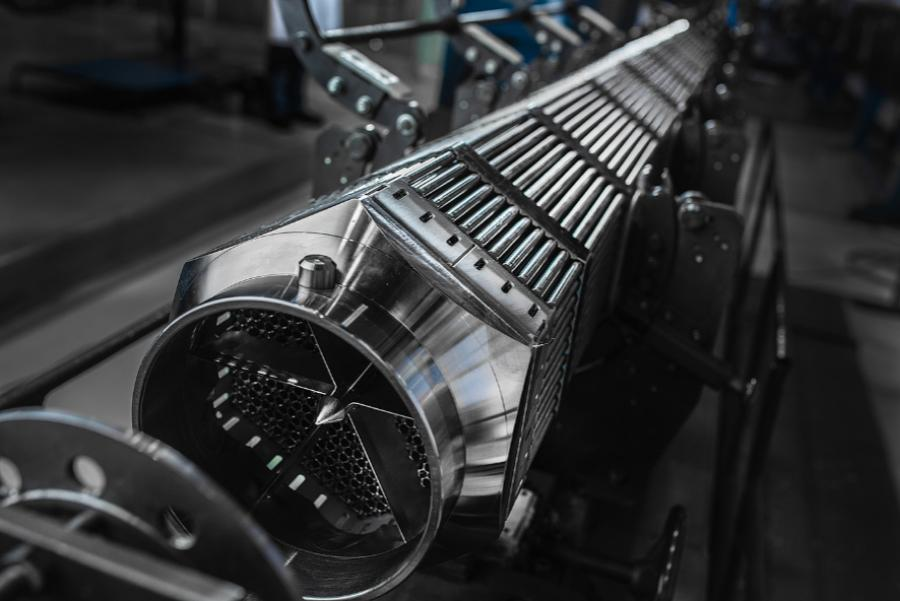
Germany wants independence from Russian nuclear fuel, using Rosatom as a bridge
Europe’s effort to break its dependence on Russian nuclear fuel has a paradox in Germany: making Russian-designed fuel without buying it from Russia ...
News
Publish date: August 23, 1999
Written by: Igor Kudrik
News
The Russian Ministry for Atomic Energy, or Minatom, continues promotion of spent nuclear fuel reprocessing services for export. The Non-Proliferation Trust, a U.S. entity that proposed to Minatom the transfer of spent fuel to Russia for intermediate storage, seems to have failed in preventing eventual reprocessing of this fuel.
Loosing control over Minatom
NPT’s plans assumed that Russian lawmakers would allow imports of only the amount stipulated in the contract between Minatom and NPT, i.e. 10,000 metric tons. But Minatom wants a legal permission granted for unlimited spent fuel imports. Minatom’s lobbyists are working hard on separating the issues of spent fuel and radioactive waste in the bill amending the Law on Environmental Protection of the Russian Federation. The current version of the law says that any import of radioactive materials is prohibited. Once ‘spent fuel’ and ‘radioactive waste’ are separate issues, fuel will be considered a resource eligible for import. The amended version will go through hearings in the Russian State Duma, the lower house of the Russian parliament, shortly.
Last week, a Russian governmental daily, Rossiyskaya Gazeta, published an article by Vladimir Schidlovsky, head of the Nuclear Fuel Cycle Department in Minatom. Mr. Schidlovsky justifies in his article the spent fuel reprocessing policy Russia is adhering to and talks about the bright financial perspectives for Russia once Minatom starts reprocessing for export purposes. Mr. Schidlovsky also says that Russia could earn up to $10 billion by importing foreign spent fuel for reprocessing. A part of this sum will be used to remediate radioactively contaminated areas in Russia.
Schidlovsky avoids mentioning directly the project he is talking about, but throughout the article it becomes clear that the project in question is the one proposed by the Non-Proliferation Trust (NPT).
Non-Prolifiration Trust
A group of German and U.S. industry, an NGO and several well-connected former government and Navy officials have set up a company with the goal to take title of 10,000 metric tons of spent nuclear fuel from various countries (excluding the United States and Russia), with the aim to lease storage space in Russia for up to 40 years. Thereafter, Russia will be left with the fuel without international support of financing.
The proceeds of the lease would pay for design and construction of the central Russian radwaste and spent fuel repository, for remediation of radioactively contaminated areas in Russia and for social projects. NPT plans to raise between $6 billion and $15 billion from wealthy industrialised nations trying to rid themselves of their spent nuclear fuel. NPT guarantees that the fuel will not be reprocessed to avoid conflict with U.S. non-proliferation policy. Washington has to give its consent to the deal.
Europe’s effort to break its dependence on Russian nuclear fuel has a paradox in Germany: making Russian-designed fuel without buying it from Russia ...
Nearly four and a half years after Russia’s full-scale invasion of Ukraine, July offered fresh evidence of how difficult it remains to disentangle Ru...
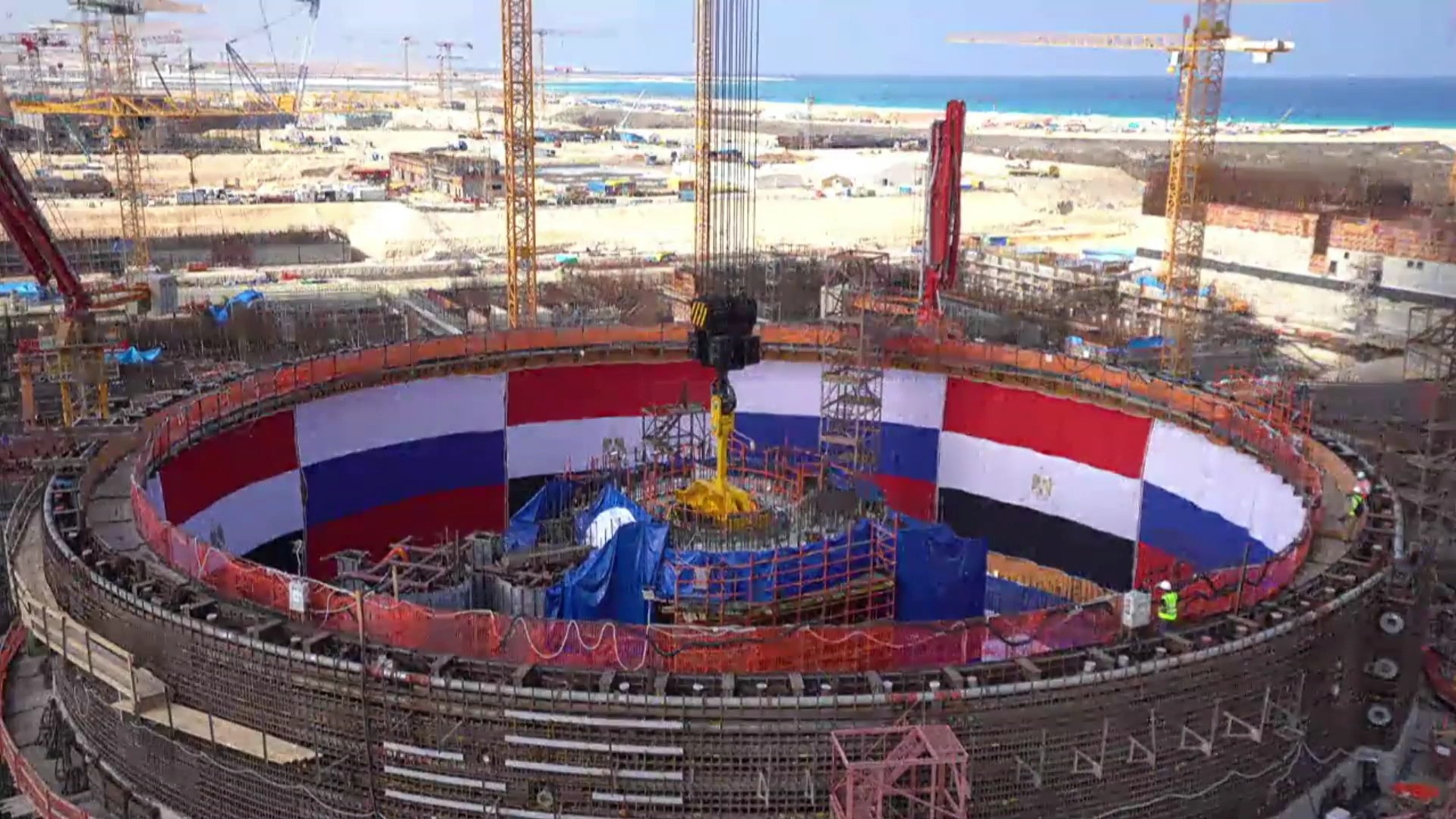
Just days after Egyptian nuclear authorities reportedly accused Rosatom of construction defects, poor management and vi...
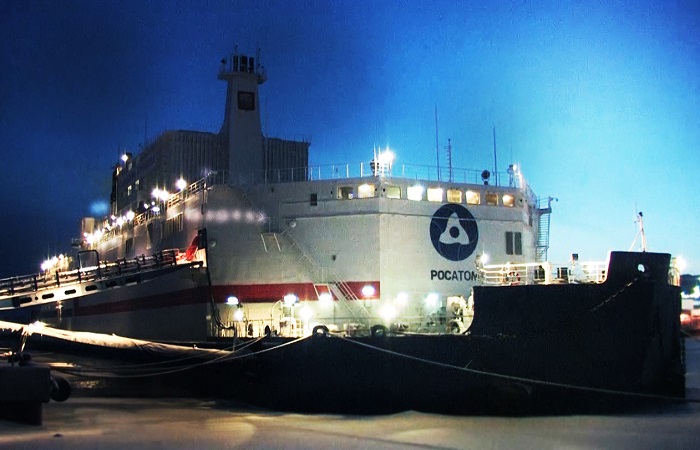
For years, the Akademik Lomonosov looked like one of the nuclear industry’s more eccentric experiments: two reactors mounted on a barge and tow...