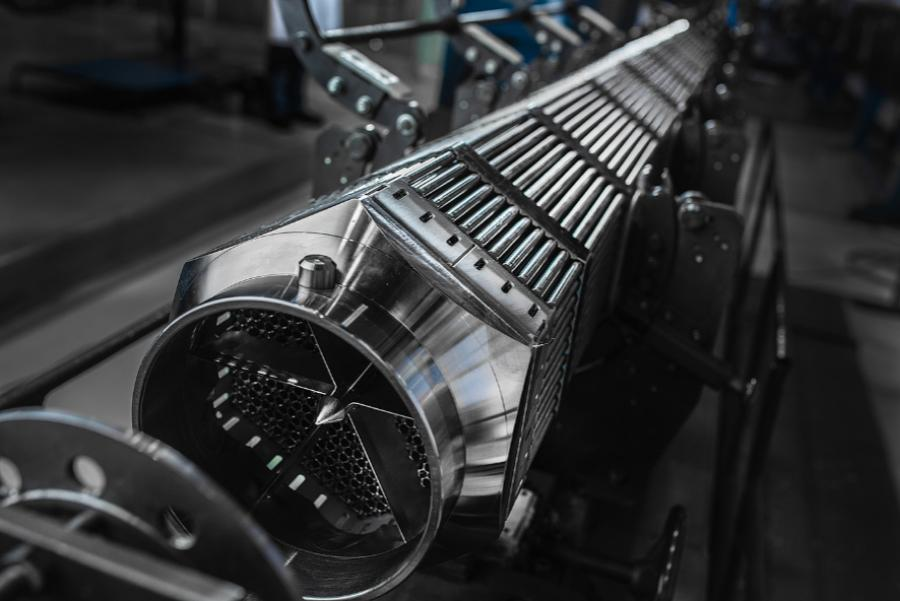
Germany wants independence from Russian nuclear fuel, using Rosatom as a bridge
Europe’s effort to break its dependence on Russian nuclear fuel has a paradox in Germany: making Russian-designed fuel without buying it from Russia ...
News
Publish date: April 15, 1998
Written by: Igor Kudrik
News
The feasibility study, submitted on April 2 at a working meeting in Minatom, was made by St. Petersburg Scientific Research Institute of Industrial Technology (VNIPIET) in close co-operation with Moscow-based All-Russia Research and Design Institute of Production Engineering (VNIPIPromtechnologii).
The study outlines the necessary steps to be undertaken to supply the counties with necessary facilities for treatment of radioactive waste. The spent nuclear fuel, according to the study, is still to be shipped to Mayak for reprocessing. The damaged spent nuclear fuel is to be sent to the planned repository on Novaya Zemlya. All radwaste processed and packed at the plants in the counties, are to be finally transported to Novaya Zemlya as well.
The study, however, does not research in detail all the options for handling maritime spent nuclear fuel. Mayak does not have the capacity to take and reprocess all the fuel accumulated in the region, – says in an interview with Bellona WEB Michael Filippov, head of radiation safety department at Murmansk Shipping Company. – Meanwhile the talks about increasing the capacities of Mayak do not sustain any critics: this is too expensive and will take considerable time to get finished, – adds Filippov.
Nevertheless, the study is to go over to the next stage, at which the environmental evaluation and technical details will be taken in a more detailed account. Further on, it would be split into concrete projects for implementation.
This process is a time-consuming, that is why parallel to that, the implementation of the existing projects, as, for example, the construction of liquid processing facility at "Atomflot" in Murmansk, would continue as scheduled.
All the works to be conducted within this study will be co-ordinated by the financial-industrial group, to be established shortly in Murmansk County (see story below "Andreeva Bay may become civilian").
Europe’s effort to break its dependence on Russian nuclear fuel has a paradox in Germany: making Russian-designed fuel without buying it from Russia ...
Nearly four and a half years after Russia’s full-scale invasion of Ukraine, July offered fresh evidence of how difficult it remains to disentangle Ru...
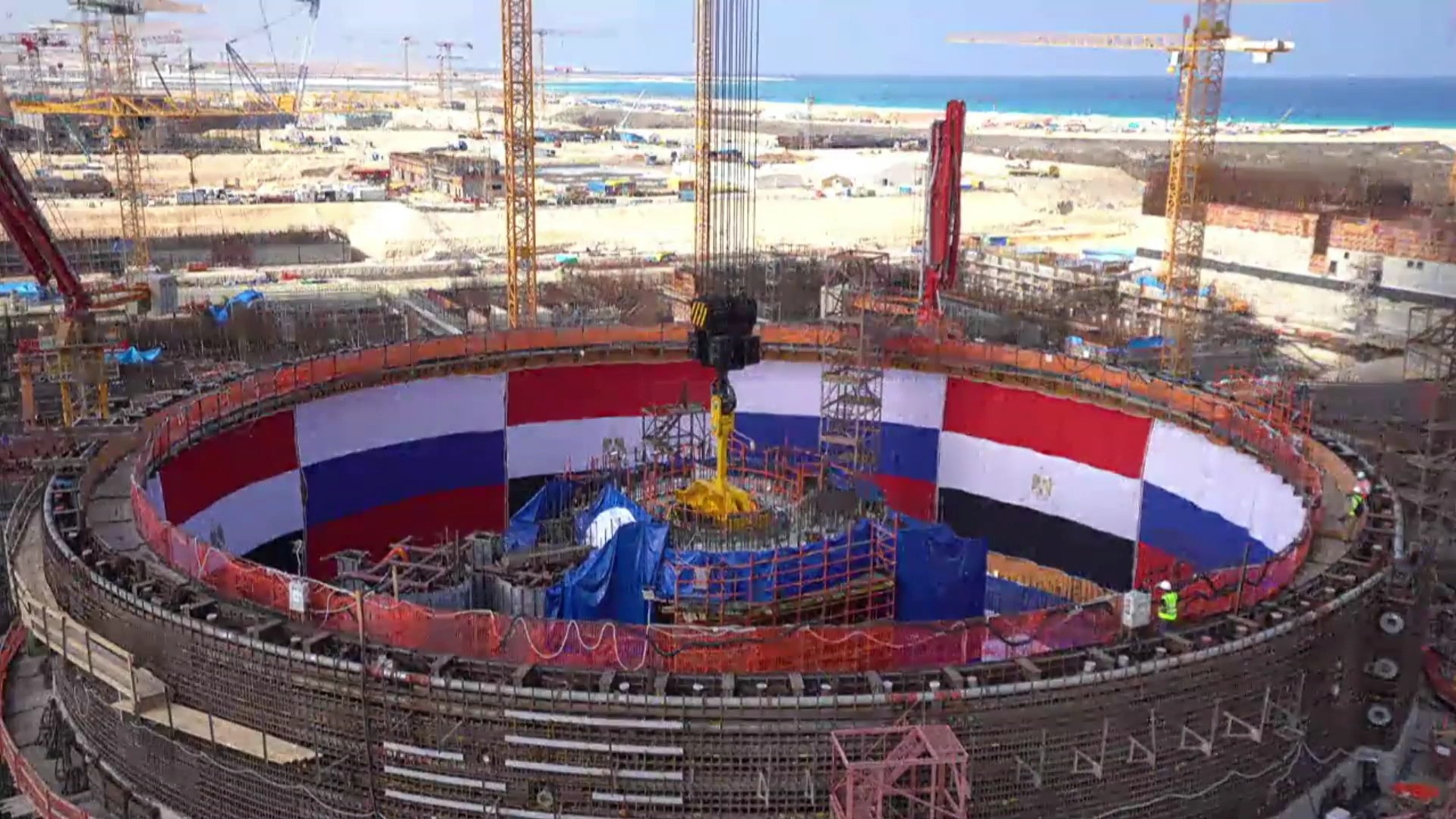
Just days after Egyptian nuclear authorities reportedly accused Rosatom of construction defects, poor management and vi...
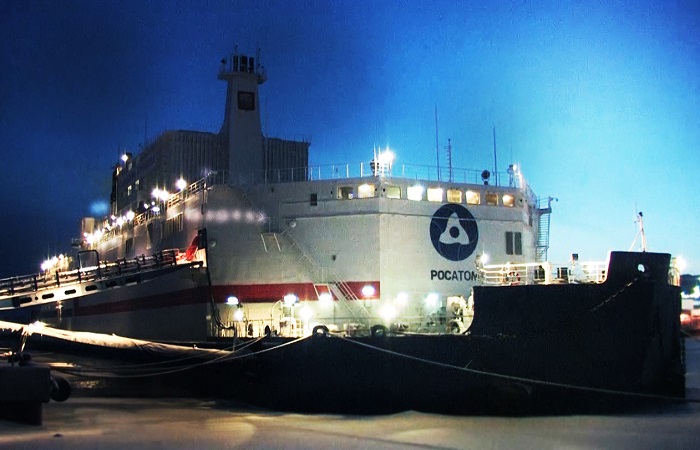
For years, the Akademik Lomonosov looked like one of the nuclear industry’s more eccentric experiments: two reactors mounted on a barge and tow...