
Germany wants independence from Russian nuclear fuel, using Rosatom as a bridge
Europe’s effort to break its dependence on Russian nuclear fuel has a paradox in Germany: making Russian-designed fuel without buying it from Russia ...
News
Publish date: July 13, 2007
Written by: Charles Digges
News
The sting operation conducted by the GAO as part of a campaign to reveal holes in NRC nuclear security showed a shocking breach in supposedly heightened safeguards against nuclear terrorism following 9/11.
The investigators obtained the license within 28 days from officials at the NRC, the federal agency that in addition to regulating nuclear power plants, oversees radioactive materials used in healthcare and other industries, the report by the GAO and released in US Congress on Thursday said.
NRC officials approved the request with a minimal background check – no face-to-face interview or a visit to the purported company to ensure it existed and complied with safety rules, the report said.
Using a post office box at the US franchise mail service Mail Boxes Etc., a telephone, and a fax machine, the undercover agents from the GAO obtained the license "without ever leaving their desks," the report said.
After counterfeiting copies of the license, the GAO undercover agents ordered portable moisture-density gauges, which contain radioactive americium-241 and cesium-137 and are commonly used at construction sites to analyse the properties of soil, water, and pavement.
The investigators ordered 45 gauges – enough to build a bomb with enough radioactive material to qualify as a level 3 threat on the International Atomic Energy Agency’s scale of 1 to 5, with 1 being the most hazardous.
The GAO investigators never took possession of the radioactive material, in part because they lacked the means to handle it safely. But the report notes that, armed with an arsenal of phony licenses, they could have secured contracts to buy much more than they did – enabling them to make an even more lethal bomb.
"We altered the license so that it appeared our bogus company could purchase an unrestricted quantity" of radioactive material, the report said. A dirty bomb uses conventional explosives to cause immediate injury to people nearby and creates a lasting threat by contaminating a wider area with radioactive material.
The GAO undertook the sting at the request of Senator Norm Coleman, Republican of Minnesota, the top minority member of the Senate permanent subcommittee on investigations, which since 2003 has been examining security gaps at the NRC and other federal agencies that could leave the United States vulnerable to biological or nuclear attack. The report was the subject of hearings Thursday before the subcommittee.
Edward McGaffigan Jr., NRC commissioner, said the agency, while concerned about any security weakness, has had to allocate finite resources to what it believes are the biggest potential threats to public safety, The Washington Post reported.
He said terrorists so far have looked for relatively simple ways to cause massive death and damage.
Devices such as the moisture gauges, he said, pose a relatively low-level risk because they require vast amounts of work to fashion into a dangerous weapon.
Europe’s effort to break its dependence on Russian nuclear fuel has a paradox in Germany: making Russian-designed fuel without buying it from Russia ...
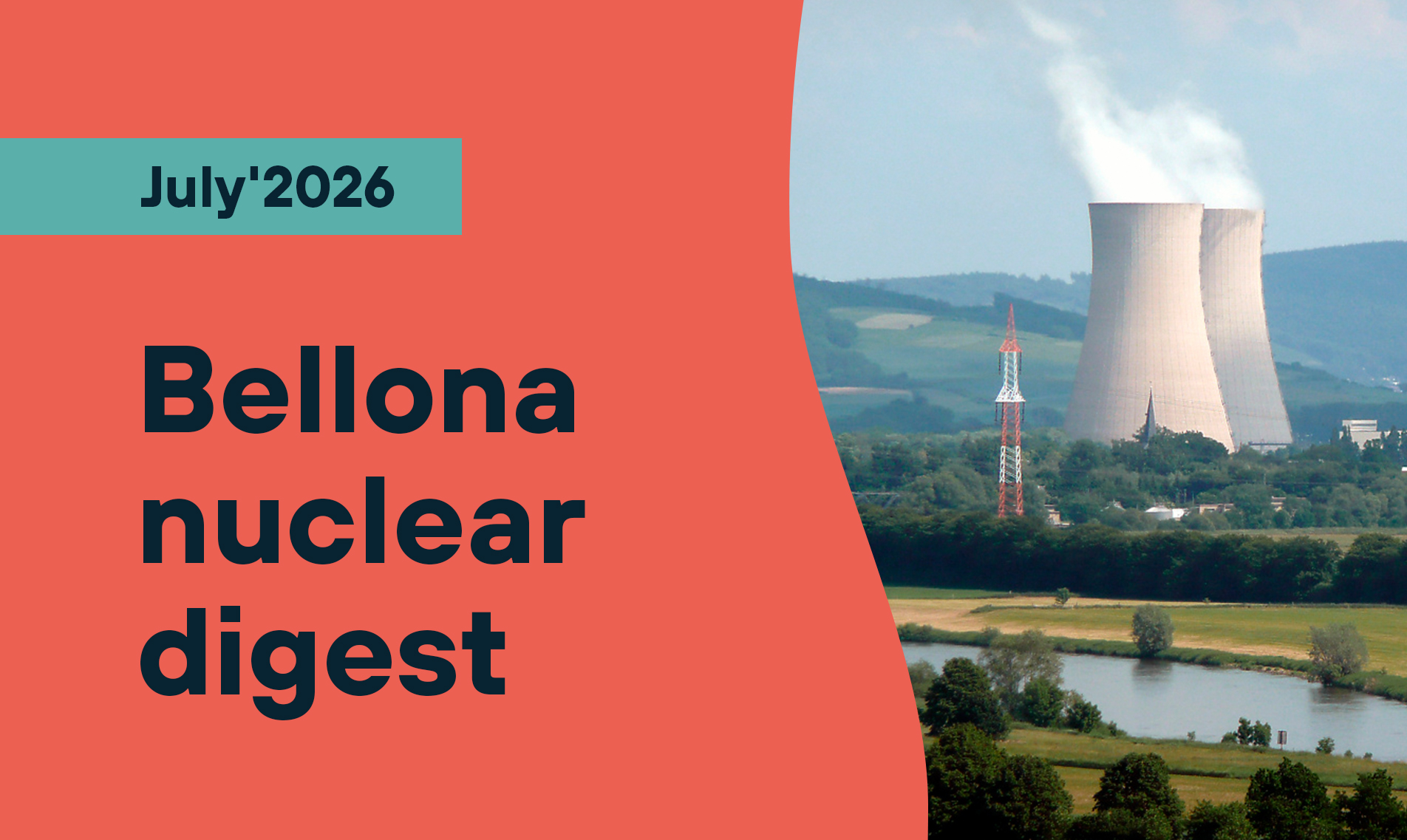
Nearly four and a half years after Russia’s full-scale invasion of Ukraine, July offered fresh evidence of how difficult it remains to disentangle Ru...

Just days after Egyptian nuclear authorities reportedly accused Rosatom of construction defects, poor management and vi...
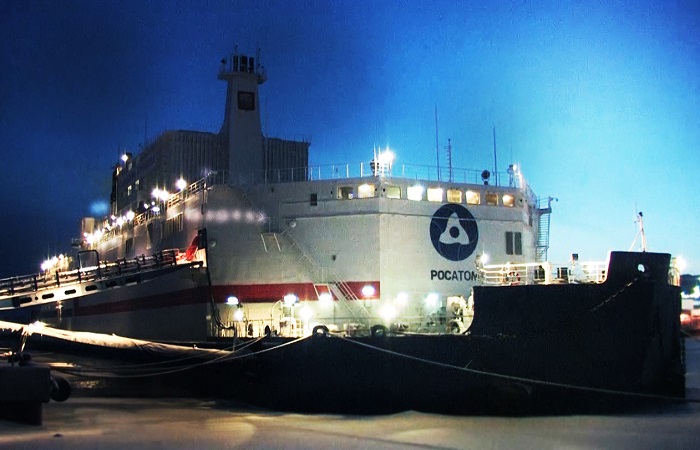
For years, the Akademik Lomonosov looked like one of the nuclear industry’s more eccentric experiments: two reactors mounted on a barge and tow...