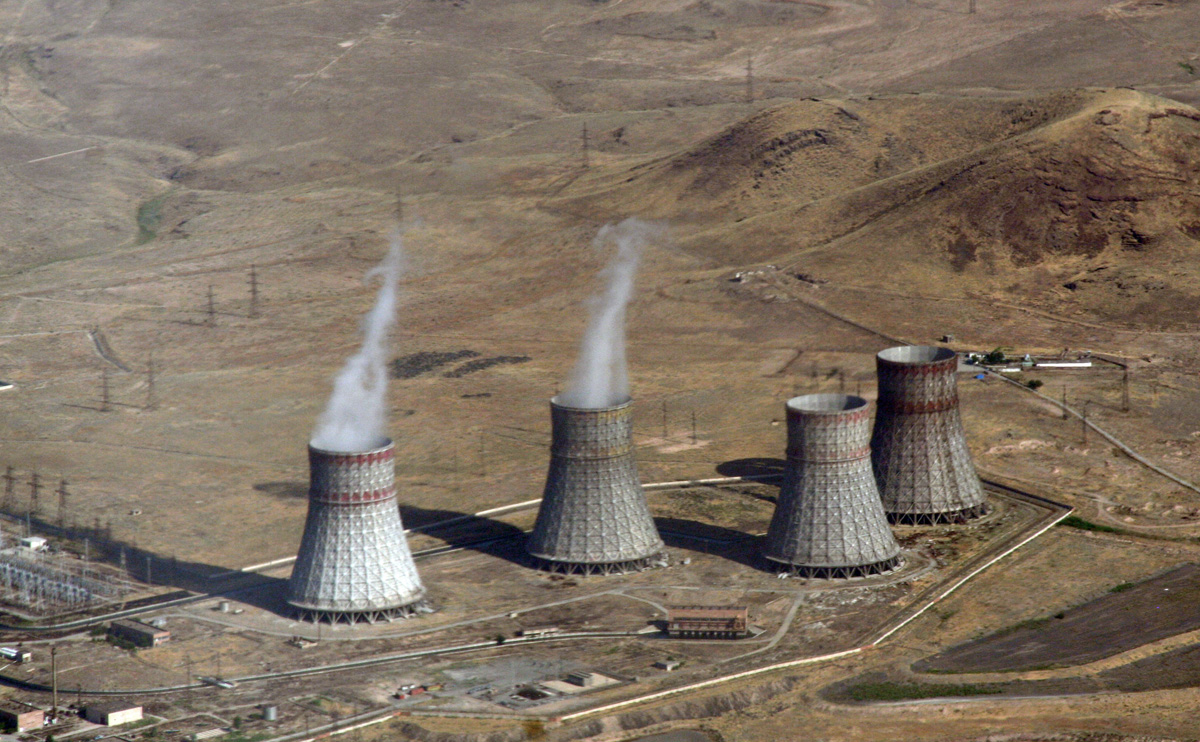
Armenia reconsiders nuclear future as Rosatom offers replacement for aging Soviet reactor
Armenia is reconsidering its plans for a new nuclear power plant after a fresh proposal from Russia’s state nuclear corporation Rosatom and a s...
News
Publish date: March 12, 2001
Written by: Rashid Alimov
News
The last meeting of the Russian Ministry for Nuclear Energy, Minatom, board declared the perspective plans on activities in the new market of the Southeast Asia, ministrys press centre reported. One of first steps in the region is planned to be Russian construction of a research reactor in Myanmar. The Myanmar junta is accused by the United States and other Western opponents of carrying out a string of human rights abuses, and crushing all political oppositions.
Minatom also continues to fulfil the contracts on construction of four reactor units in Iran, China and India. Now the ministry prepares the feasibility study on the second unit of the Iranian Nuclear Power Plant in Bushehr.
Both the USA and Israel voiced their concern over the Russian project in Iran, suspecting that Iran may use the NPP to develop nuclear weapons.
Minatom is also involved in foreign trade activities with other foreign countries. The contracts with the German Siemens on the deliveries of nuclear fuel to five reactor units in Germany, two units in Switzerland and one in Sweden will be extended. A new Russian-Ukrainian-Kazakh enterprise established to manufacture fuel for 11 units of the Ukrainian nuclear plants equipped with VVER-1000 reactors.
In the beginning of February, the deliveries of nuclear fuel for Indian Tarapur NPP have been resumed. The USA State Department has called on Russia to stop this deal, accusing official Moscow of the lack of adherence to the nuclear materials non-proliferation. The representative of the Indian Ministry of Foreign Affairs said in response that India consistently and strictly follows the requirements of the International Atomic Energy Agency.
The total export value of Minatom amounted to $2.3 billion, which is almost $400 million more than in 1999.
The major part of the export, however, came from the US-Russian deal, under which the USA agreed to buy 500 tonnes of highly enriched uranium blended down for burning in American nuclear power plants. From June 1995 and through October 2000, the United States paid Russia $1.6bn for slightly more that one-fifth of the 500 tonnes of uranium. The deal is valid from 1993 and until 2013.
The other Minatoms contracts abroad are covered through either loans or barter agreements, without bringing in the much-desired cash.
Armenia is reconsidering its plans for a new nuclear power plant after a fresh proposal from Russia’s state nuclear corporation Rosatom and a s...

Russia’s state nuclear corporation Rosatom has taken full control of one of the country’s largest logistics companies, consolidating an expanding tra...
August brought signs of growing pressure on several fronts for Russia’s state nuclear corporation Rosatom, from questions surrounding major construct...
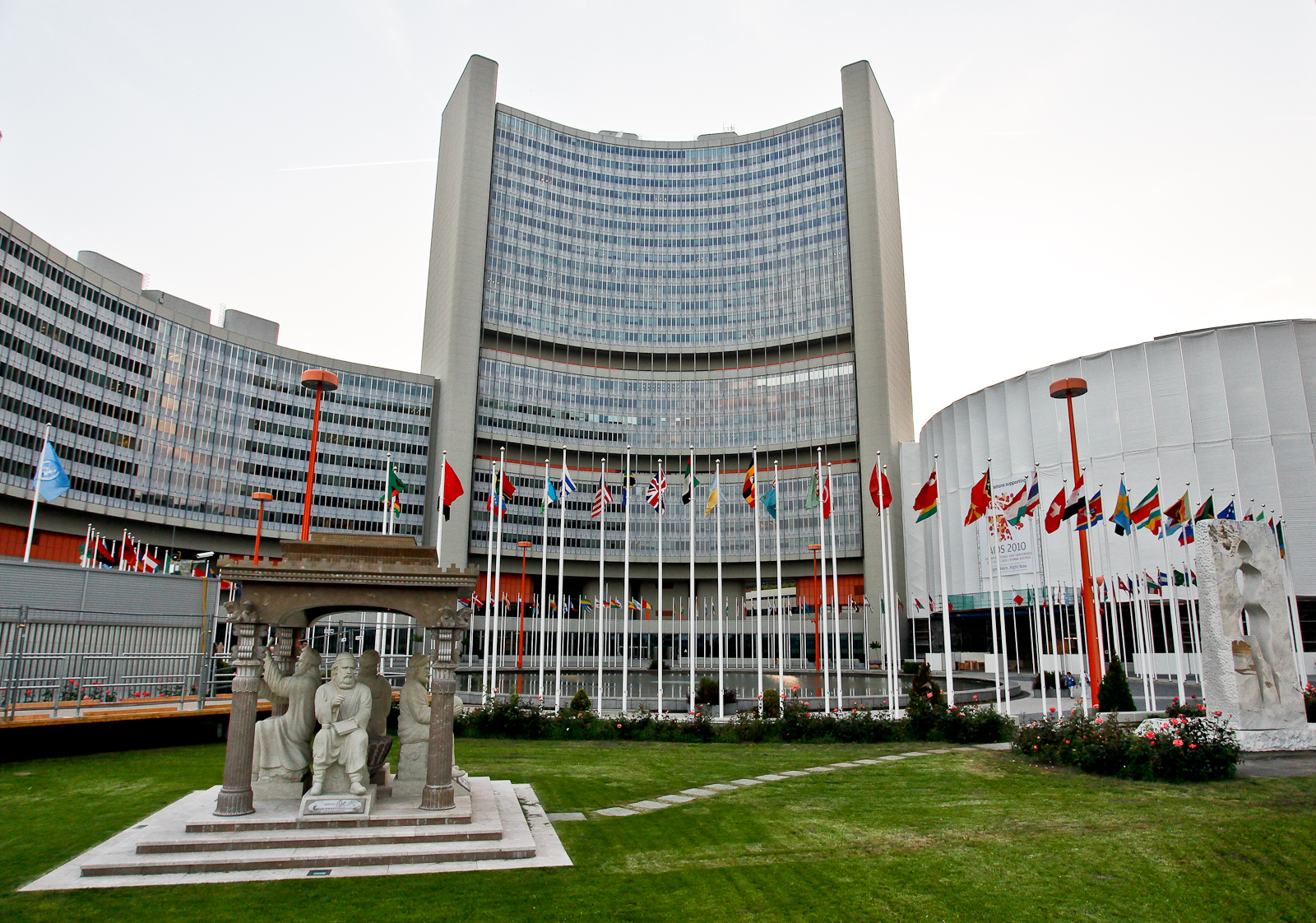
The International Atomic Energy Agency has suspended one of its most senior Russian officials — but for reasons largely unrelated to the questions ab...