
From reactors to shipping: Rosatom tightens its grip on Russian transport
Russia’s state nuclear corporation Rosatom has taken full control of one of the country’s largest logistics companies, consolidating an expanding tra...
News

Publish date: December 3, 2000
Written by: Vladislav Nikifоrov
News
The sediment samples from the River Don near Novovoronezh nuclear power plant and soil samples taken in the forest separating the plant and the city of Novovoronezh showed threatening levels of radioactive contamination.
Center for Journalism in Extreme Situations reported that environmental organisation Green Wave based in Volgodonsk, Rostov county, is examining whether the recent findings of radioactive contamination in Tsymlansk reservoir of up to 150 Bq/kg can be traced back to Novovoronezh NPP situated around 500km upstream the river. The reservoir is located near new Rostov NPP which is under construction.
The state chemical laboratory Tsymlanskaya examined the silt samples taken by the Green Wave activists from the River Don downstream of Novovoronezh NPP and found high concentration of cesium-137 (6,000 Bq/kg). Gamma radiation of the sample was more than 500 micro R/h, while background level is 20 micro R/h. The soil samples from the forest near the power plant were also contaminated with cesium-137 (1,587 Bq/kg).
The new Rostov NPP, situated 18 km from the city of Volgodonsk, will be launched in December. The NPP will operate one VVER-1000 reactor unit. Novovoronezh NPP has in operation two VVER-440 and two VVER-1000 reactor units.
Russia’s state nuclear corporation Rosatom has taken full control of one of the country’s largest logistics companies, consolidating an expanding tra...
August brought signs of growing pressure on several fronts for Russia’s state nuclear corporation Rosatom, from questions surrounding major construct...
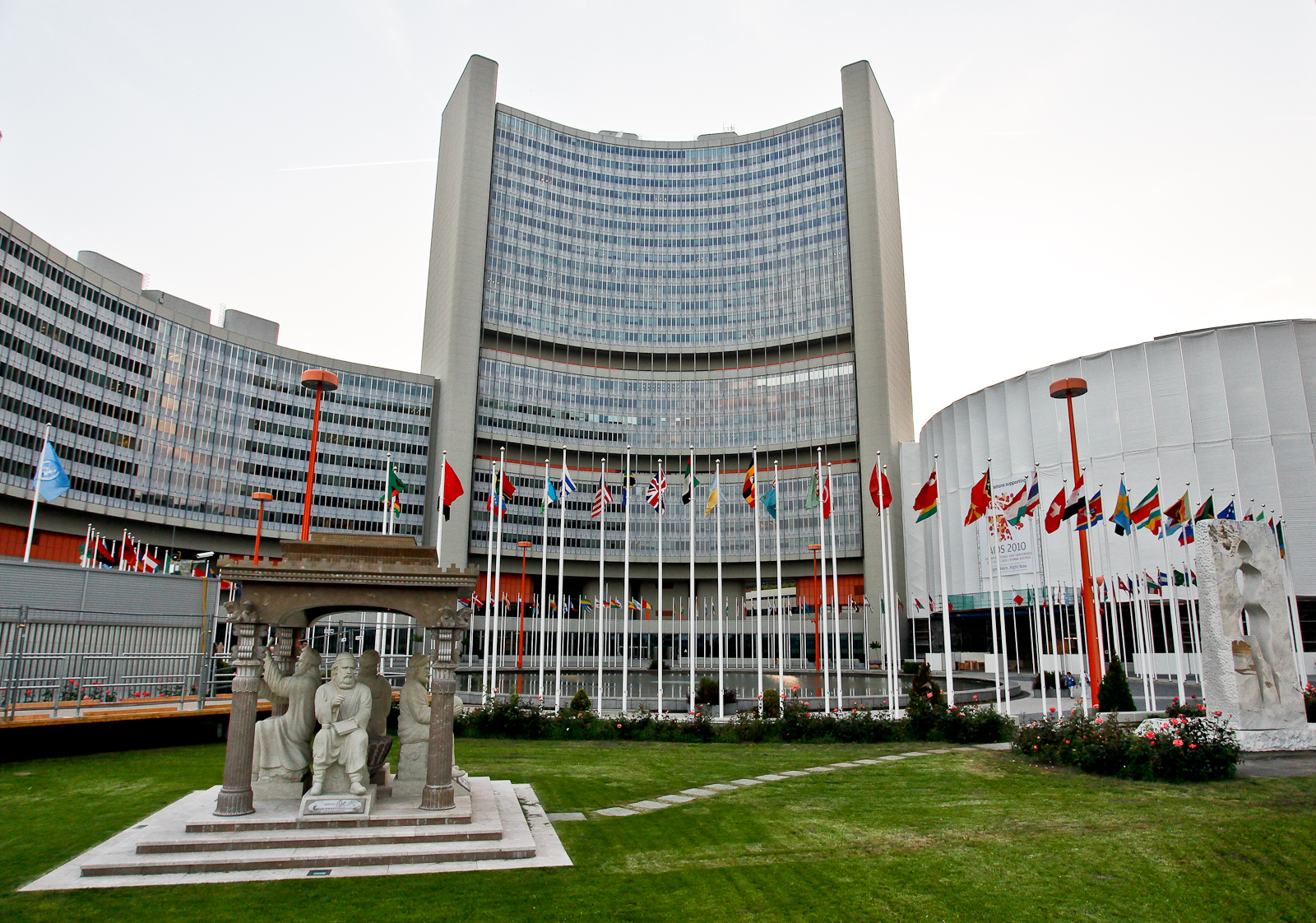
The International Atomic Energy Agency has suspended one of its most senior Russian officials — but for reasons largely unrelated to the questions ab...
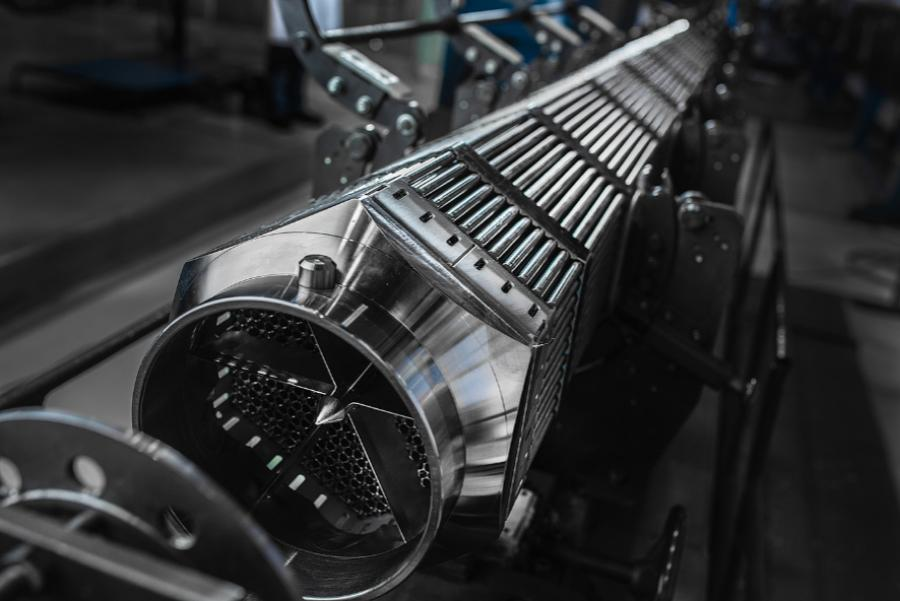
Europe’s effort to break its dependence on Russian nuclear fuel has a paradox in Germany: making Russian-designed fuel without buying it from Russia ...