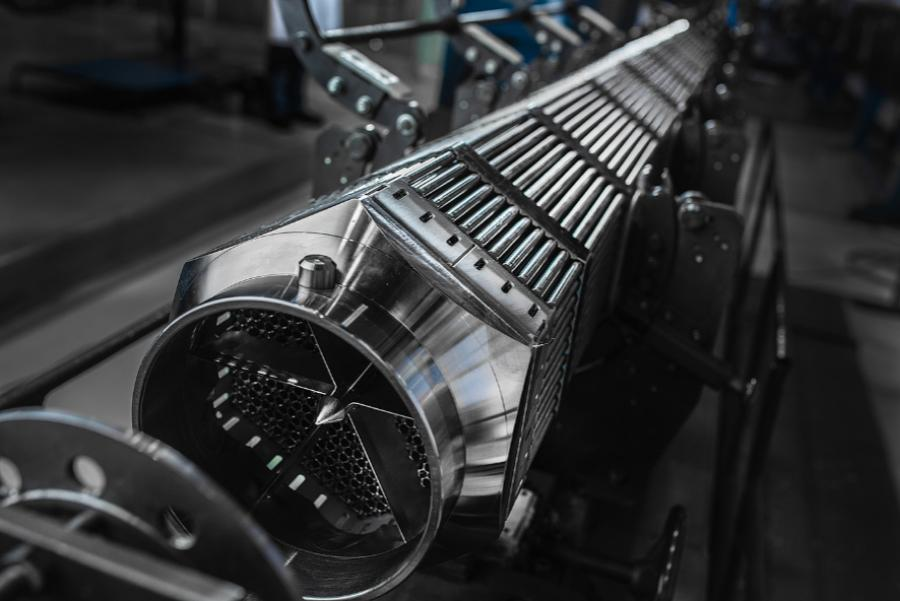
Germany wants independence from Russian nuclear fuel, using Rosatom as a bridge
Europe’s effort to break its dependence on Russian nuclear fuel has a paradox in Germany: making Russian-designed fuel without buying it from Russia ...
News
Publish date: October 28, 2004
News
“All the external (construction) work has been finished and the main equipment shipped,” Vitaly Nasonov, spokesman for Russias Federal Atomic Energy Agency, told The Associated Press. Nasonov said Atomic Energy Minister Alexander Rumyantsev is scheduled to travel to Iran next month to sign agreements on shipping nuclear fuel to Iran and returning the spent fuel back to Russia. But industry sources say the signing depends on the outcome of a Nov. 25 International Atomic Energy Agency meeting, which would decide whether to refer Iran to the UN Security Council for possible sanctions.
The agreements have been delayed repeatedly. The United States fears that the $800 million Bushehr deal could help Tehran build nuclear weapons. Russia says that having Iran ship spent nuclear fuel back to Russia will make any such projects impossible. Nasonov said that if all goes as planned, the reactor should be launched in 2005 and connected to the countrys energy system in 2006. The ITAR-Tass news agency said that the reactors control and security equipment still had to be mounted. Most is being provided by Russian enterprises but Iran will buy some from other countries, the news agency said.
The 1,000-megawatt Bushehr plant is due to be launched in the next year or so and reach full capacity in 2006.
Europe’s effort to break its dependence on Russian nuclear fuel has a paradox in Germany: making Russian-designed fuel without buying it from Russia ...
Nearly four and a half years after Russia’s full-scale invasion of Ukraine, July offered fresh evidence of how difficult it remains to disentangle Ru...
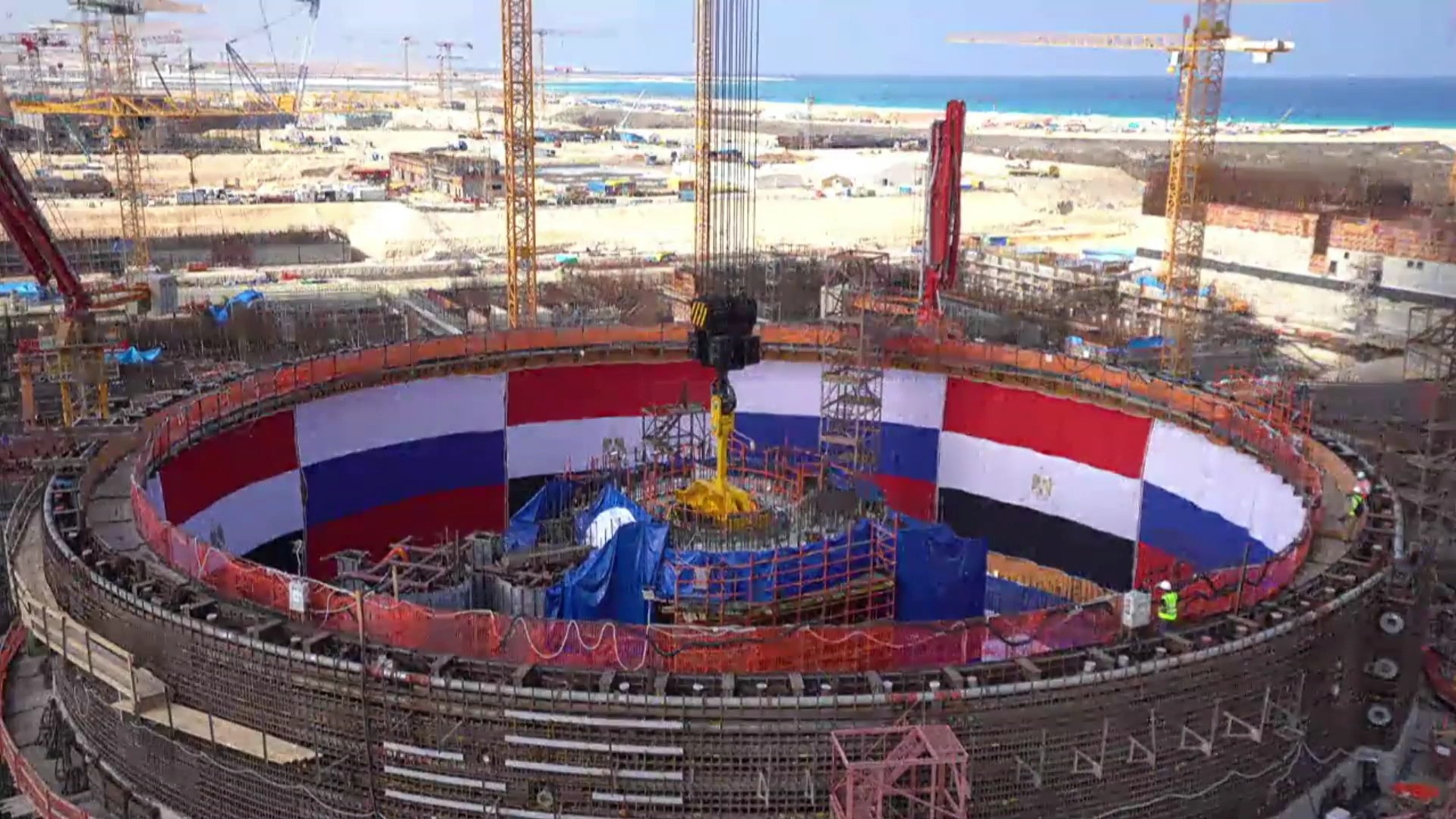
Just days after Egyptian nuclear authorities reportedly accused Rosatom of construction defects, poor management and vi...
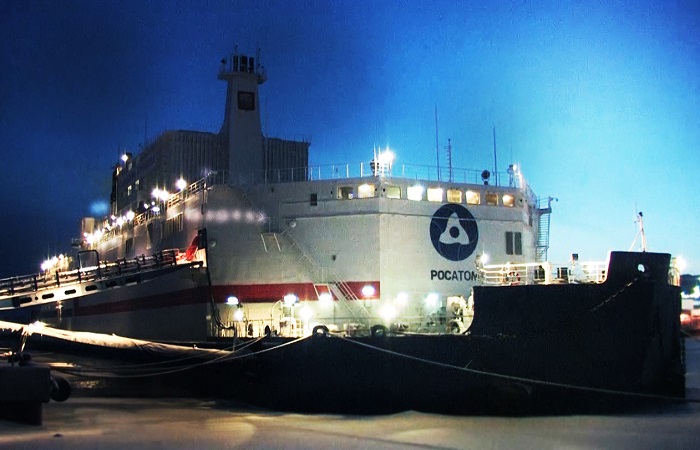
For years, the Akademik Lomonosov looked like one of the nuclear industry’s more eccentric experiments: two reactors mounted on a barge and tow...