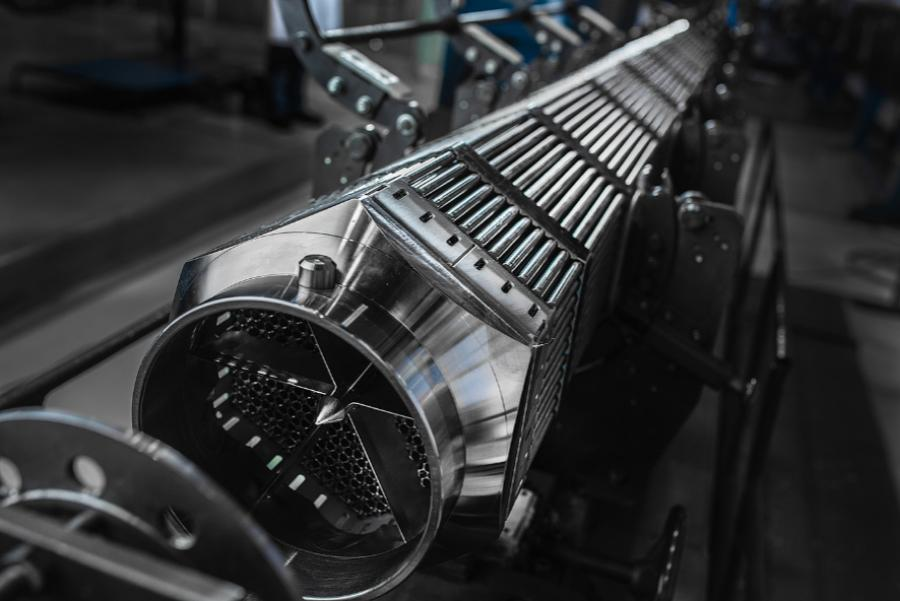
Germany wants independence from Russian nuclear fuel, using Rosatom as a bridge
Europe’s effort to break its dependence on Russian nuclear fuel has a paradox in Germany: making Russian-designed fuel without buying it from Russia ...
News
Publish date: May 31, 1999
Written by: Igor Kudrik
News
Russian Nuclear Ministry is keen to use current coolness in U.S.-Russian relations; to boost co-operation with rogue nations.
May 19 Russia and Syria entered an agreement which stipulates co-operation between the two countries in the “peaceful use of atomic energy”. Russian nuclear minister, Yevgeny Adamov, who signed for the Russian part, said “it’s been a long way towards the agreement” and “it is very important to start on its implementation without delay.”
A Dubai based newspaper, ‘Al-Bayan’, wrote that Syria wants Russia to build two nuclear reactors. The U.S. has not reacted on the agreement so far. Both the United States and Israel expressed their dismay with Russia building a nuclear power plant in Bushehr, Iran. This year, the U.S. imposed sanctions on several Russian research institutes suspected of illegal military technology exports to Iran.
The U.S. obstructed earlier Syrian attempts to obtain nuclear technology, when the latter attempted to launch co-operation with Argentina, North Korea, China and South Africa.
Nuclear deal with Libya looms
The lifting of sanctions against Libya in 1998 opened old co-operation channels to Russia. Before embargo was imposed, Russia sold arms, machinery, equipment and spare parts to Libya and built a nuclear-research centre there. In March 1998, Russian company Atomenergoexport signed an $8 million contract with Libya for the partial overhaul of the Tajurah nuclear research centre, Foreign Report newspaper wrote. The centre has a Soviet-designed 10-megawatt research reactor and a staff of 750. The Libyan nuclear program, however, lacked substance, technical expertise and consistent funding. Libya planned to buy a nuclear power plant with two VVER-440 reactors from the Soviet Union back then, but the deal was never finalised. With the current Russian outreach to the Middle East, Libya might have more to count on.
Europe’s effort to break its dependence on Russian nuclear fuel has a paradox in Germany: making Russian-designed fuel without buying it from Russia ...
Nearly four and a half years after Russia’s full-scale invasion of Ukraine, July offered fresh evidence of how difficult it remains to disentangle Ru...
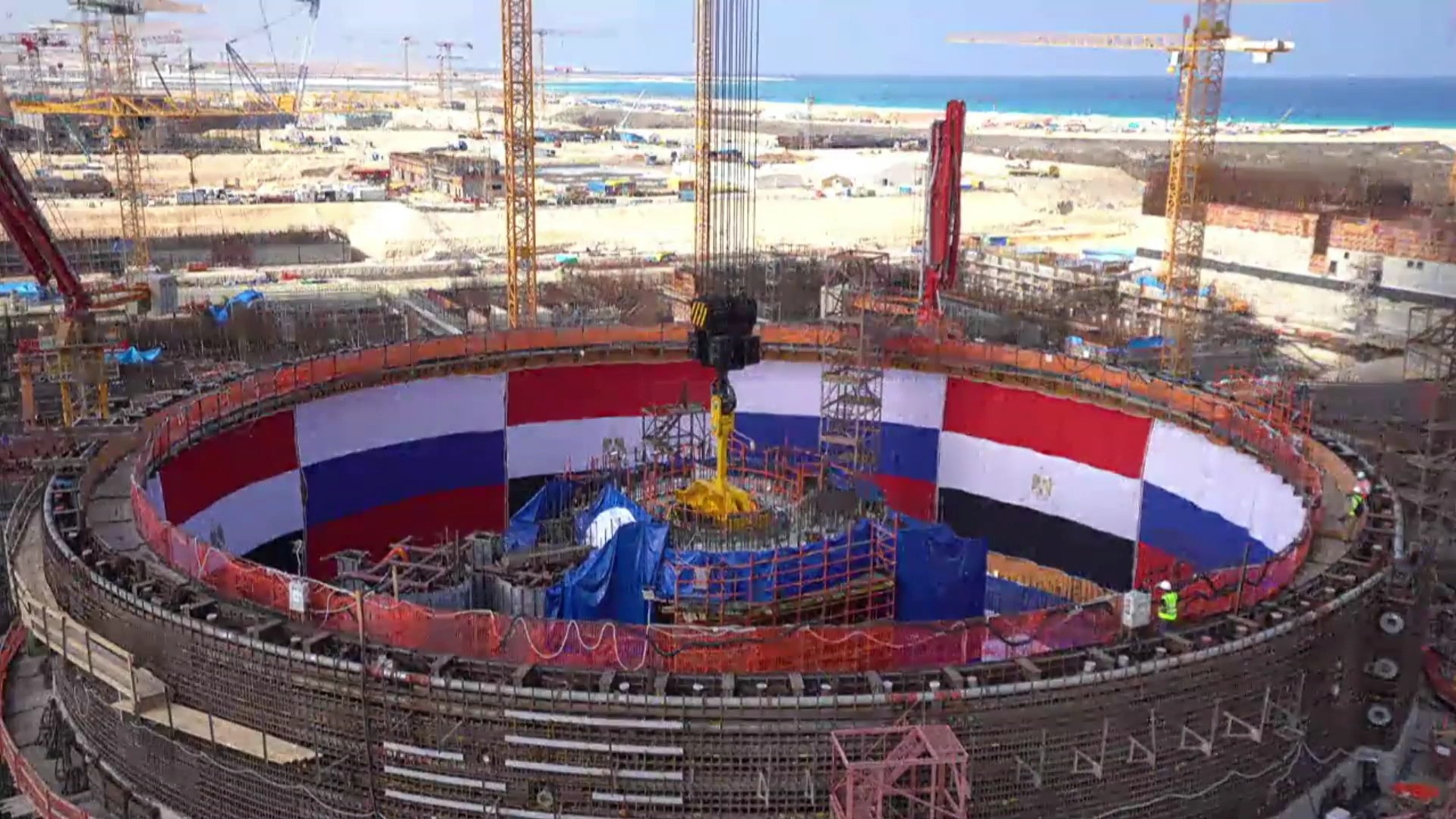
Just days after Egyptian nuclear authorities reportedly accused Rosatom of construction defects, poor management and vi...
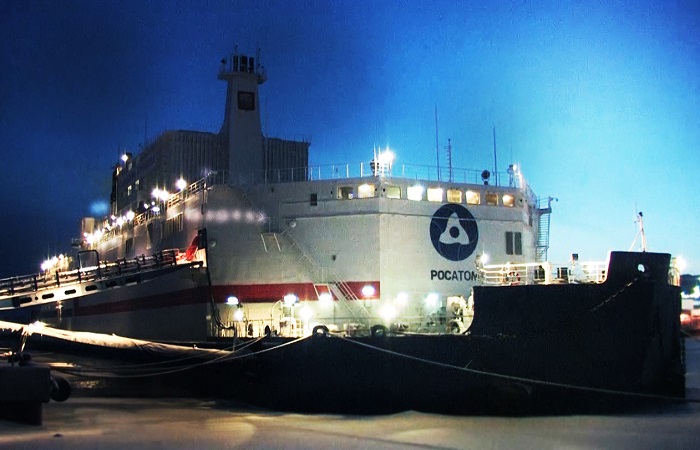
For years, the Akademik Lomonosov looked like one of the nuclear industry’s more eccentric experiments: two reactors mounted on a barge and tow...