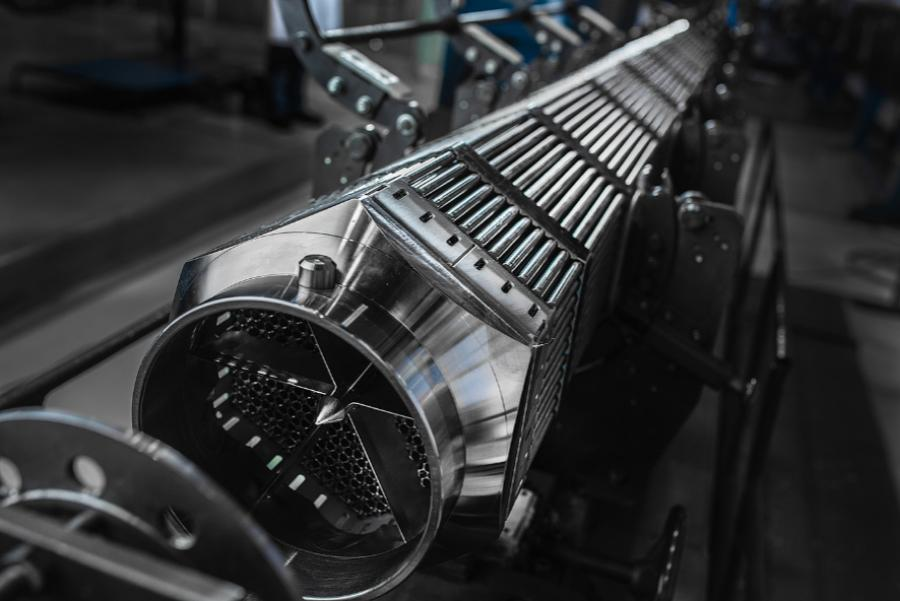
Germany wants independence from Russian nuclear fuel, using Rosatom as a bridge
Europe’s effort to break its dependence on Russian nuclear fuel has a paradox in Germany: making Russian-designed fuel without buying it from Russia ...
News
Publish date: January 19, 2005
News
The US Department of Energy, or DOE, plans to complete the Russian fuel return program by 2009 and estimates the program could cost about $100m, but this estimate and time frame may not be reliable because of uncertainties associated with planning future shipments. The shipments to date have all consisted of fresh (unused) HEU fuel, which DOE considers the highest priority for returning to Russia because it is more vulnerable to theft. DOE is facing delays in returning spent HEU fuel, which has been used in a reactor, in part because Russia is planning to conduct an environmental assessment for each shipment. DOE has asked Russia to conduct a single environmental for the spent HEU fuel assessment in all of the countries participating in the program to expedite future shipments of spent fuel, but so far Russia has not agreed to this. DOE is considering ways to accelerate the program that could also increase the cost of the program by more than $30m, the report says.
Europe’s effort to break its dependence on Russian nuclear fuel has a paradox in Germany: making Russian-designed fuel without buying it from Russia ...
Nearly four and a half years after Russia’s full-scale invasion of Ukraine, July offered fresh evidence of how difficult it remains to disentangle Ru...

Just days after Egyptian nuclear authorities reportedly accused Rosatom of construction defects, poor management and vi...
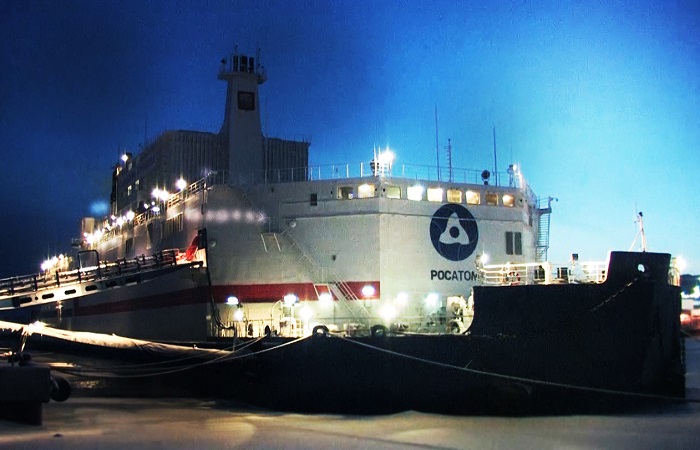
For years, the Akademik Lomonosov looked like one of the nuclear industry’s more eccentric experiments: two reactors mounted on a barge and tow...