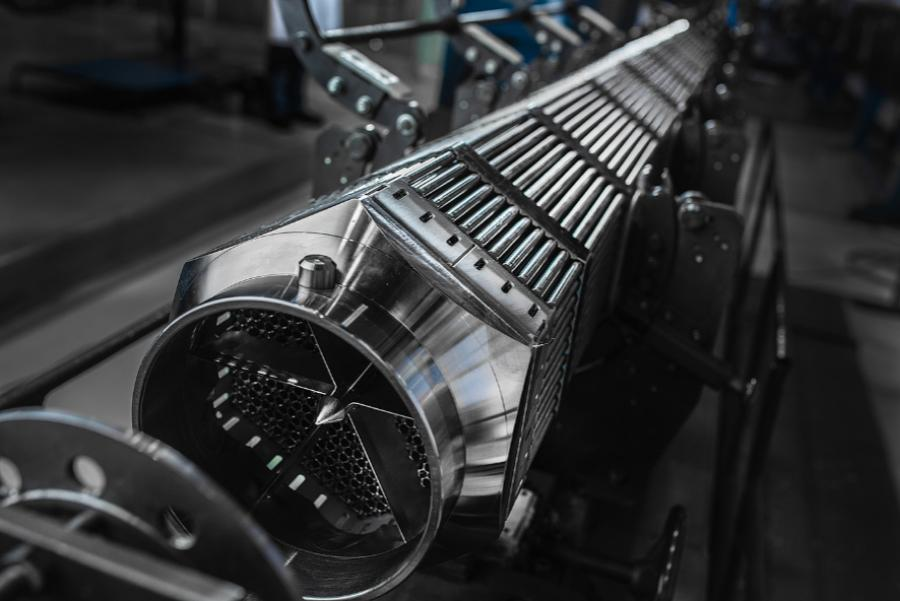
Germany wants independence from Russian nuclear fuel, using Rosatom as a bridge
Europe’s effort to break its dependence on Russian nuclear fuel has a paradox in Germany: making Russian-designed fuel without buying it from Russia ...
News
Publish date: October 28, 2003
News
On October 7th and 8th, 2003, Murmansk hosted a meeting of the Presidium Russian State Council working group meeting headed by the Murmansk region Governor Yury Yevdokimov. The meeting raised the issue of international cooperation development in the field of nuclear and radiation safety. Deputy Minister of Atomic Energy Sergey Antipov, representatives of the Foreign Ministry, Natural Resources Ministry, Transport Ministry, delegations of Kamchatka, Chelyabinsk and Astrakhan region participated in the meeting.
According to Regnum news agency, the main issue discussed at the meeting was how to attract foreign investments to solve the problem of radioactive waste in Murmansk region. The Russian State budget allocates $66m annually for nuclear and radiation safety, while $1.2 billion total is needed to solve all the problems. Therefore, western aid could significantly speed up the clean-up works in the region. Today the biggest problem for western donors is Russian high taxes and access to the nuclear sites, head of Murmansk region information department Kirill Babayev admitted. Yury Yevdokimov said the hardest sites for access in Murmansk region are Andreeva bay, Sayda bay and technical base in Ostrovnoy as well as retired multipurpose nuclear submarines. The members of the working group should report about the work done to the State Council Presidium and the Russian President in December this year.
Europe’s effort to break its dependence on Russian nuclear fuel has a paradox in Germany: making Russian-designed fuel without buying it from Russia ...
Nearly four and a half years after Russia’s full-scale invasion of Ukraine, July offered fresh evidence of how difficult it remains to disentangle Ru...
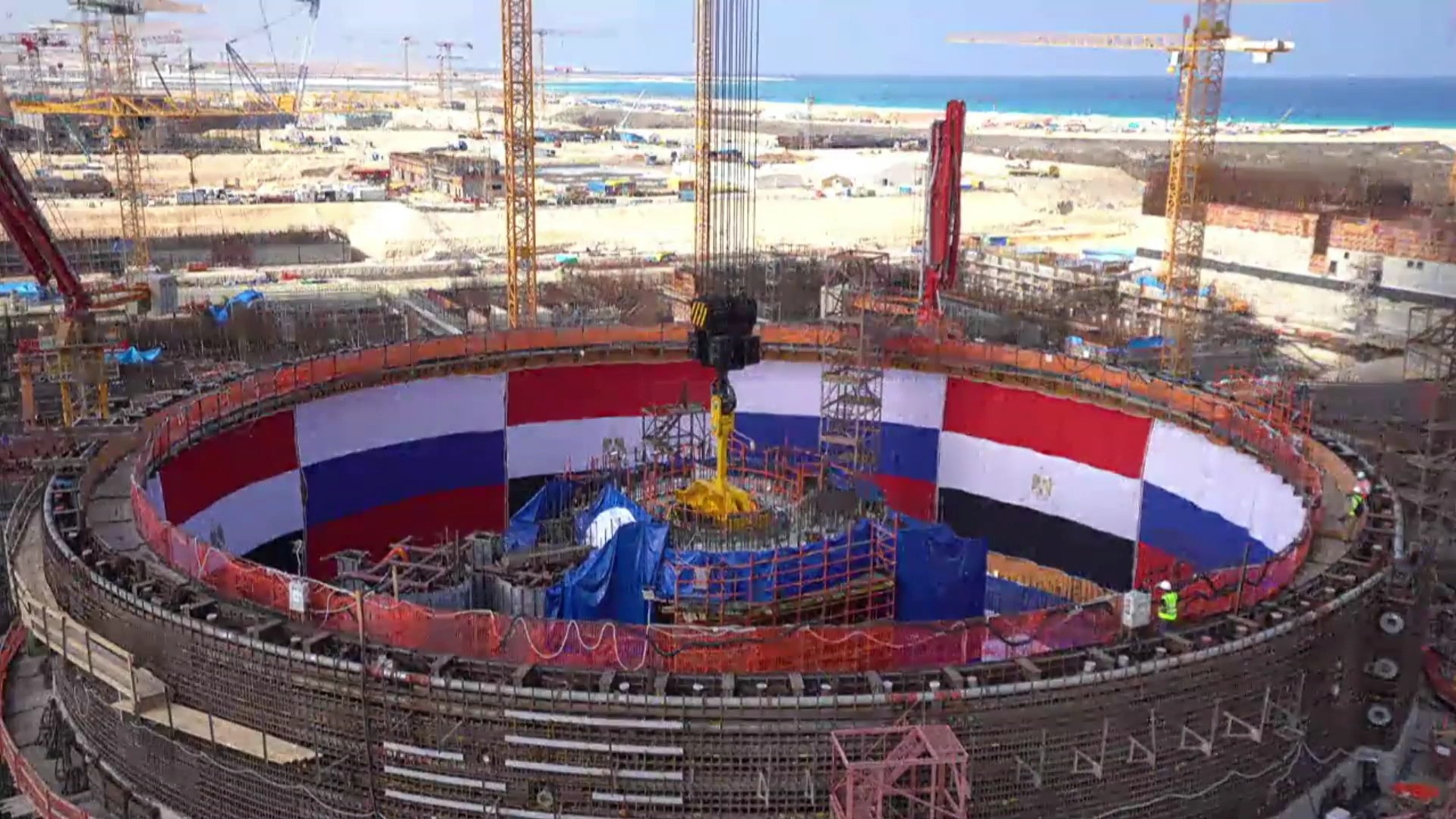
Just days after Egyptian nuclear authorities reportedly accused Rosatom of construction defects, poor management and vi...
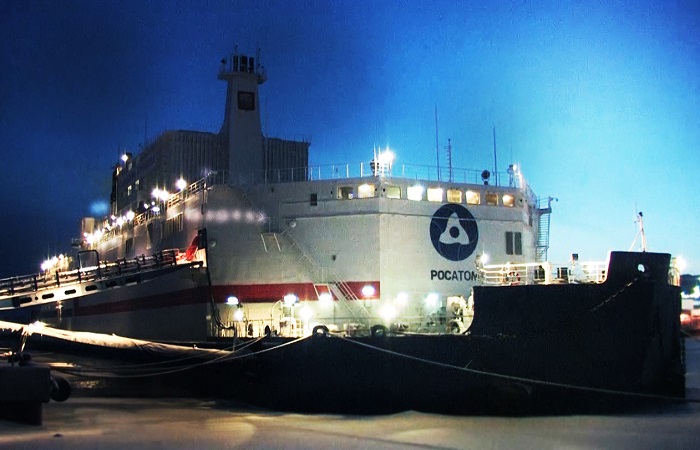
For years, the Akademik Lomonosov looked like one of the nuclear industry’s more eccentric experiments: two reactors mounted on a barge and tow...