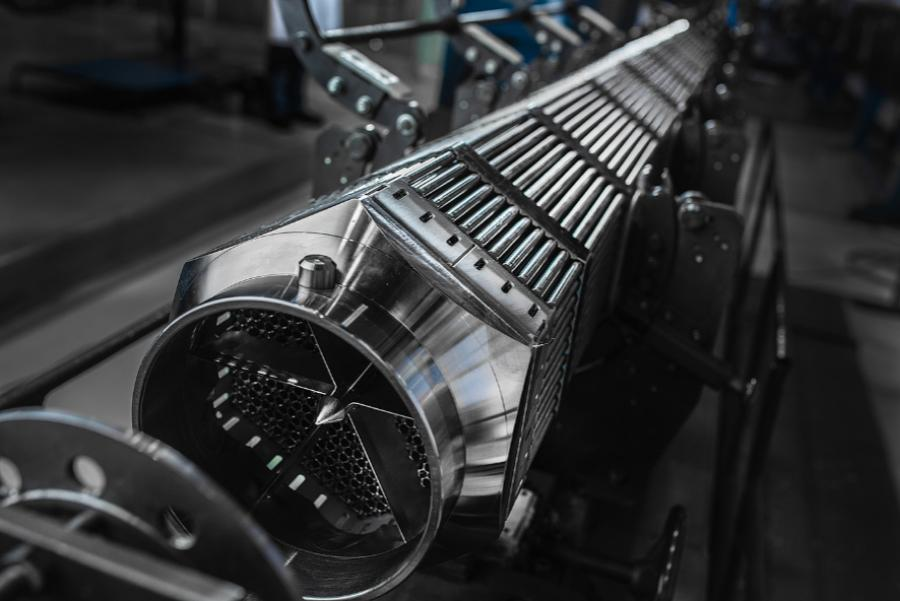
Germany wants independence from Russian nuclear fuel, using Rosatom as a bridge
Europe’s effort to break its dependence on Russian nuclear fuel has a paradox in Germany: making Russian-designed fuel without buying it from Russia ...
News
Publish date: December 13, 1999
Written by: Thomas Nilsen
News
The Russian State Duma, the lower house of Russia’s parliament, postponed Monday debate on ratification of the START-II arms reduction treaty, Agence France Presse reported. The treaty seems not to be ratified by the Duma until after the New Year.
Members of the Russian Duma agreed to look at the treaty at all after the intervention of Defence Minister Igor Sergeyev who made an appearance in parliament last week. Sergeyev said that the accord must be ratified now because it was the last chance to do it this year. “Non-ratification would prejudice Russian politically and military,” warned Sergeyev. Headed by deputies from the nationalist and communist groups, the majority of the Duma factions were opposed to begin the ratification debate.
Roman Popkovich, the head of the parliamentary defence committee, said to Interfax that the START-II would come to the newly elected Duma’s agenda in the first half of next year.
The treaty calls for reduction of the Russian and American nuclear strategic arsenals down to 3000-3500 nuclear warheads.
Increasing tension
Despite the fact that the United States and Russian signed the START-II in 1993, communist leader Gennady Zyuganov said to Interfax today that this question has not been prepared and cannot be discussed at the moment. Zyuganovs statement clearly reveals the current anti-western political trends in Russia. The Kosovo and Chechnya wars have led to the increasing tension between Russia and the United States. Recent expulsion of diplomats, accused of spying, by both countries does not improve the relationship. The ongoing election campaign does not leave much hope for those who support increased co-operation with the West. The Duma elections are scheduled for December 19.
During his visit to China last week, President Boris Yeltsin warned President Bill Clinton not to forget that Russia has at its disposal a full nuclear arsenal.
The recent placement of several new Topol-M strategic missiles (SS-23) at a base in southern Russia is also used for all it is worth in the tense situation between the two countries.
The ongoing debate over the amendments to the 1972 Anti-Ballistic Missile (ABM) Treaty, suggested by the United States, do not contribute to the stability in the relationship between two countries either. Last week, the Commander of the Russian Strategic Forces, Vladimir Yakovlev, went as far as to state that Russian may abandon START-I treaty should the U.S. make changes to the ABM treaty.
Europe’s effort to break its dependence on Russian nuclear fuel has a paradox in Germany: making Russian-designed fuel without buying it from Russia ...
Nearly four and a half years after Russia’s full-scale invasion of Ukraine, July offered fresh evidence of how difficult it remains to disentangle Ru...
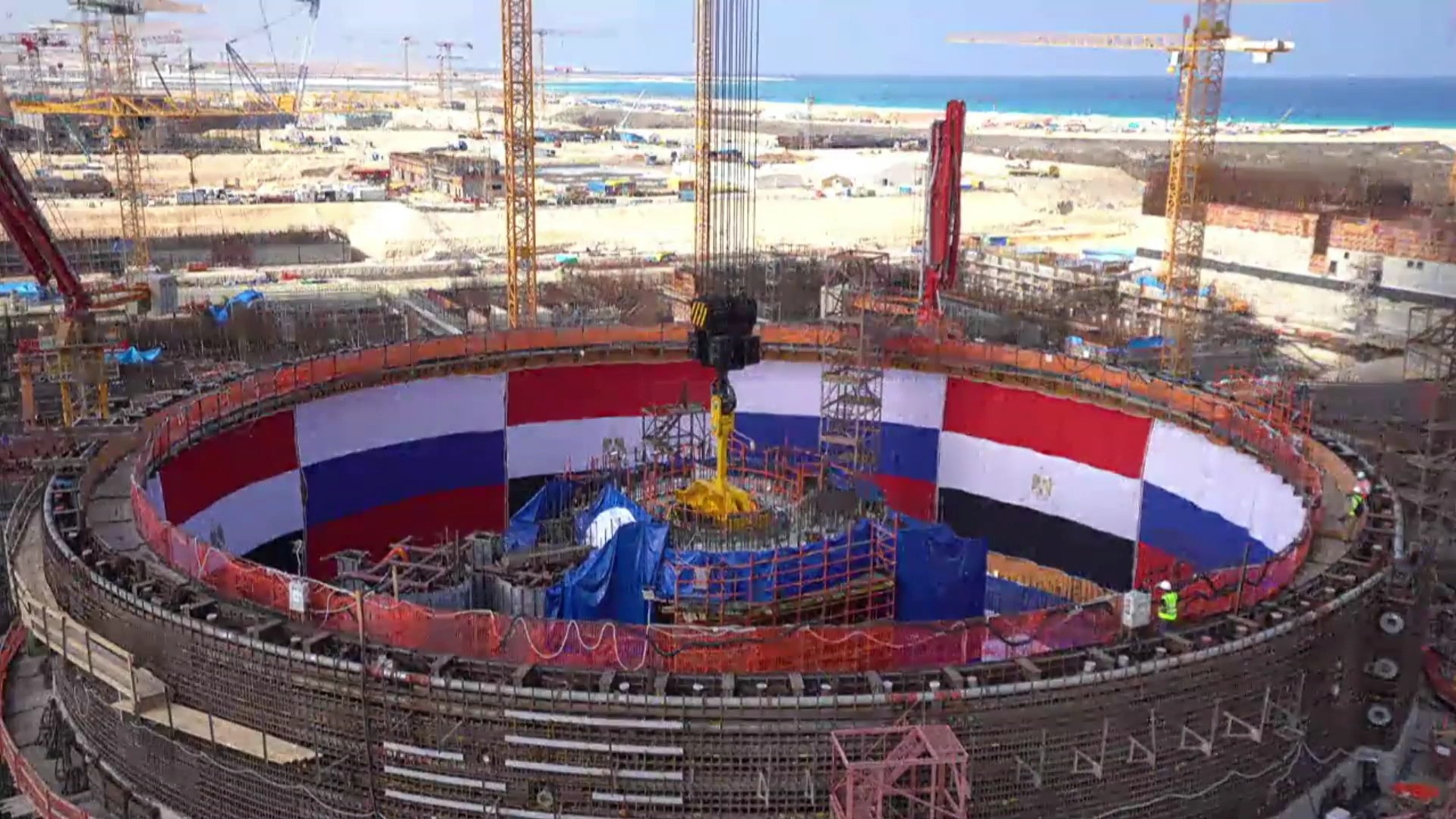
Just days after Egyptian nuclear authorities reportedly accused Rosatom of construction defects, poor management and vi...
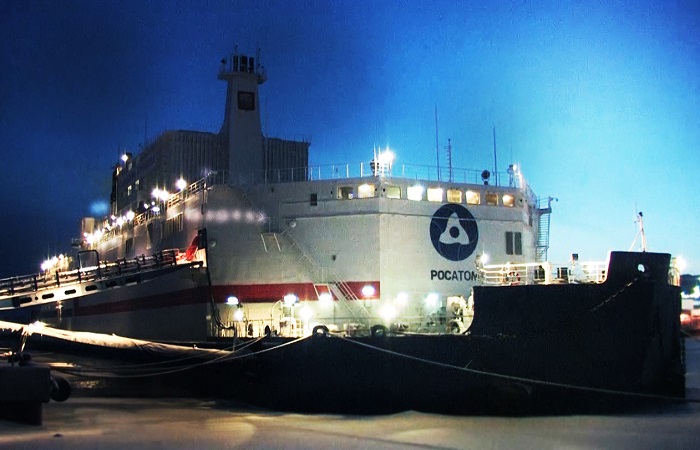
For years, the Akademik Lomonosov looked like one of the nuclear industry’s more eccentric experiments: two reactors mounted on a barge and tow...