
From reactors to shipping: Rosatom tightens its grip on Russian transport
Russia’s state nuclear corporation Rosatom has taken full control of one of the country’s largest logistics companies, consolidating an expanding tra...
News
Publish date: October 27, 2003
News
However, Dutch Mamout alone received $64m for raising Kursk nuclear submarine, which rested 100m deep, while the rusty K-159 is buried at 240m depth. Additional resources have to be found for the next year salvage operation. Earlier Russian Navy Commander Kuroyedov promised to raise the submarine by Autumn 2004. The salvage operation is preliminary scheduled for August-September 2004. The Russian Shipbuilding Ministry, the Nuclear Ministry, and the Ministry of Defence signed am agreement about planning operation on K-159 raising. The Malakhit design bureau was assigned responsible. The project of the salvage operation should be approved in the first quarter of 2004, Kuroyedov said at a press conference in Moscow. Recently he signed a decree about launching expedition to the place of K-159 catastrophe.
Russia’s state nuclear corporation Rosatom has taken full control of one of the country’s largest logistics companies, consolidating an expanding tra...
August brought signs of growing pressure on several fronts for Russia’s state nuclear corporation Rosatom, from questions surrounding major construct...
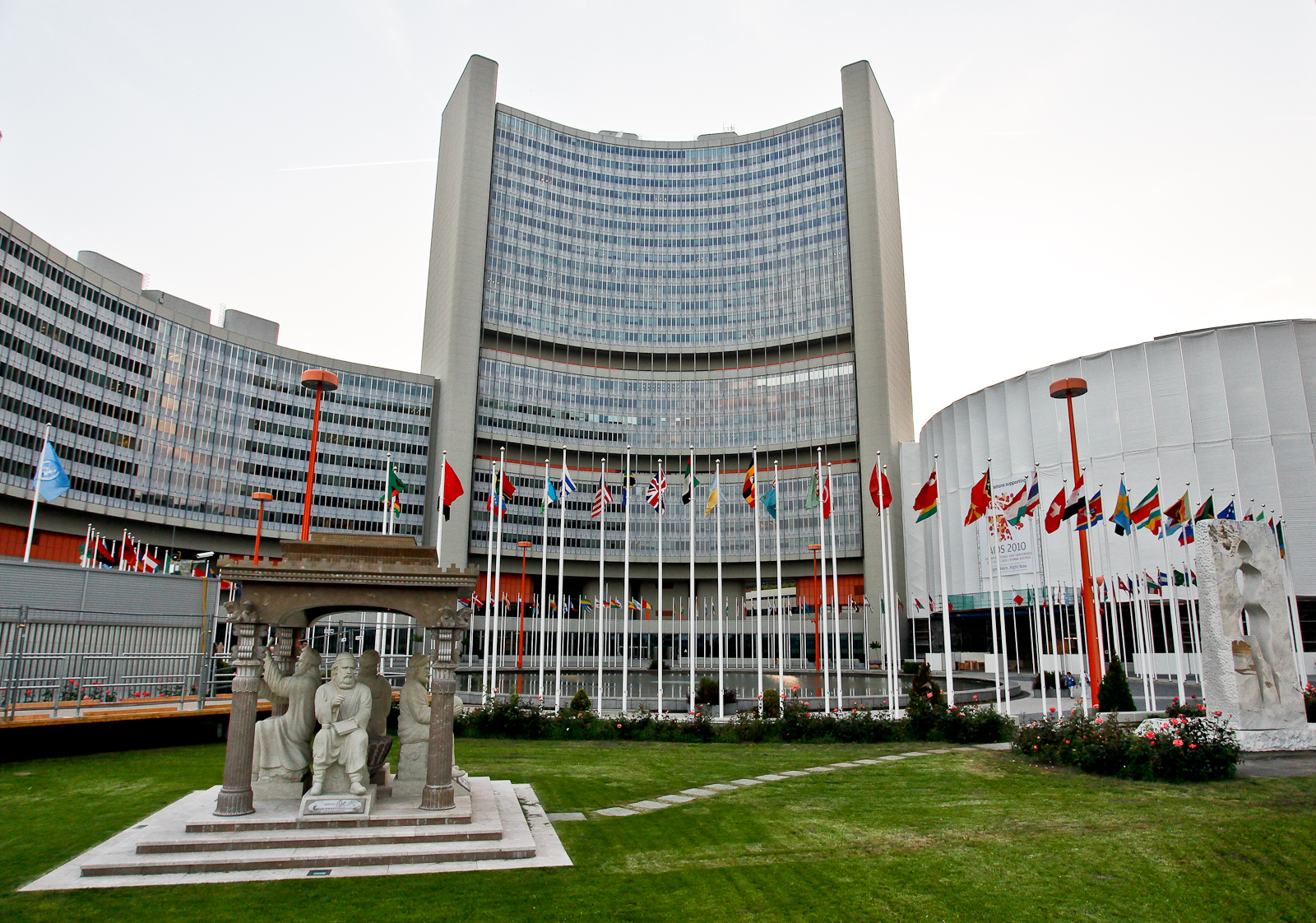
The International Atomic Energy Agency has suspended one of its most senior Russian officials — but for reasons largely unrelated to the questions ab...
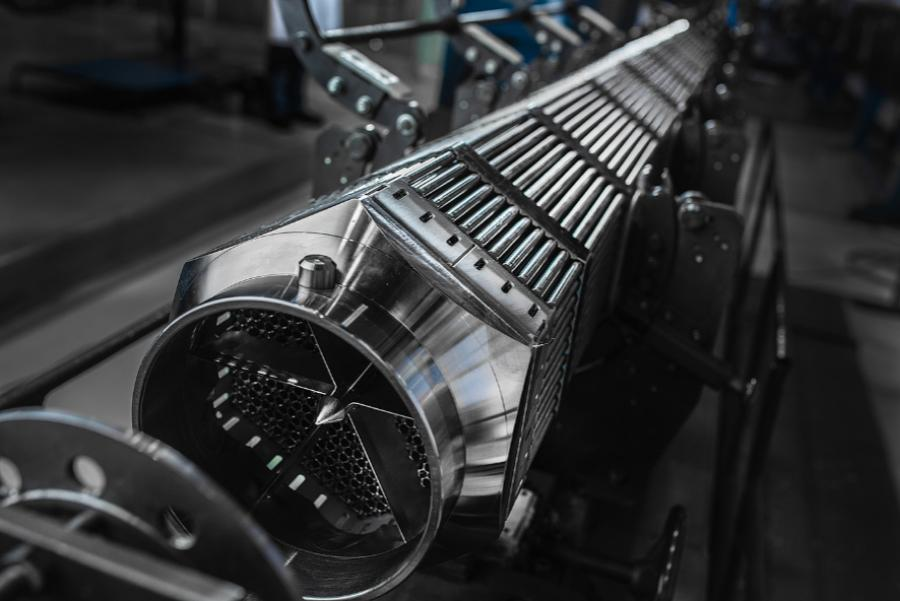
Europe’s effort to break its dependence on Russian nuclear fuel has a paradox in Germany: making Russian-designed fuel without buying it from Russia ...