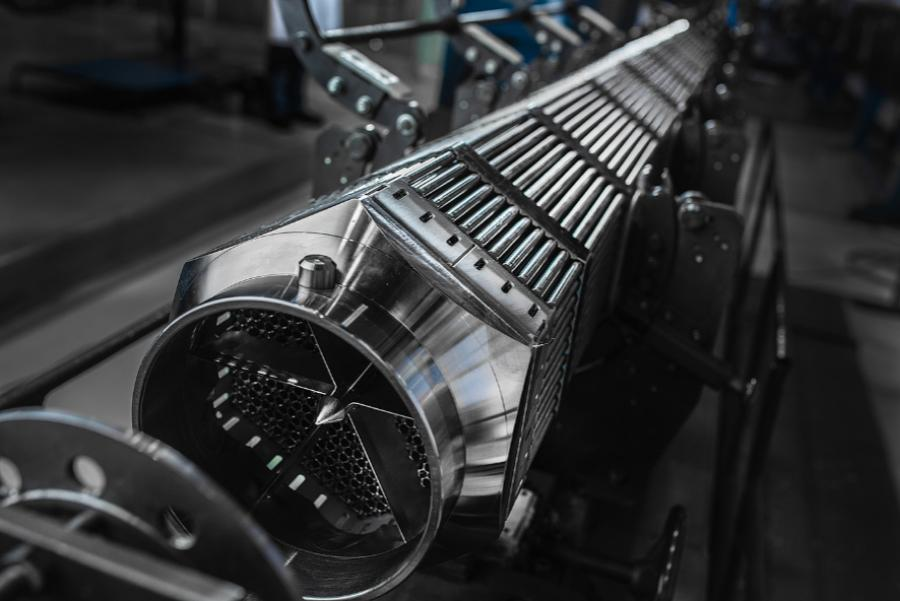
Germany wants independence from Russian nuclear fuel, using Rosatom as a bridge
Europe’s effort to break its dependence on Russian nuclear fuel has a paradox in Germany: making Russian-designed fuel without buying it from Russia ...
News

Publish date: December 14, 2012
News
‘Bellona firmly supports strengthening of the Agency’s mandate further. An EU-level oversight is necessary to fully address the issue of fragmented national frameworks. What is important is that EMSA is given sufficient resources, both human and financial, to fulfil its tasks’ says Paal Frisvold, Chairman of Bellona Europa.
EMSA, established in response to oil spills from tankers Erika and Prestige, has been operational since 2003. So far, specialised anti –pollution vessels of the Agency could intervene only in cases of spills from shipping accidents. In line with the Commission proposal, the Member States agreed to enable EMSA to perform the clear-up following oil spills caused by drilling rigs. Another one of the Agency’s key tasks is the use of the CleanSeaNet satellite service in monitoring marine oil pollution from oil and gas installations.
In the context of a progress report of the EMSA Regulation, the Commission may re-examine the Agency’s contribution with regard to the prevention of marine oil pollution under another legislative act – the offshore safety regulation. The regulation is now at the final stages of negotiations between the Parliament and the Council. After the worst oil disaster in human history in the Gulf of Mexico in 2010 followed by the oil spill at the Gannet Alpha platform in the North Sea in 2011, the Commission’s Energy services tabled this proposal to improve offshore oil and gas safety operations, including independent third party monitoring. This supervisory role would be best performed by EMSA, the Parliament argues.
The ITRE Committee proposed a variety of new tasks for the Agency, apart from merely detecting and cleaning up the oil spills, which would include:
These proposals will be discussed by the Parliament and the Council during trialogue meetings in January and February and the final agreement on the offshore safety regulation is expected to be adopted at the Energy Council on 23 February 2013.
Europe’s effort to break its dependence on Russian nuclear fuel has a paradox in Germany: making Russian-designed fuel without buying it from Russia ...
Nearly four and a half years after Russia’s full-scale invasion of Ukraine, July offered fresh evidence of how difficult it remains to disentangle Ru...
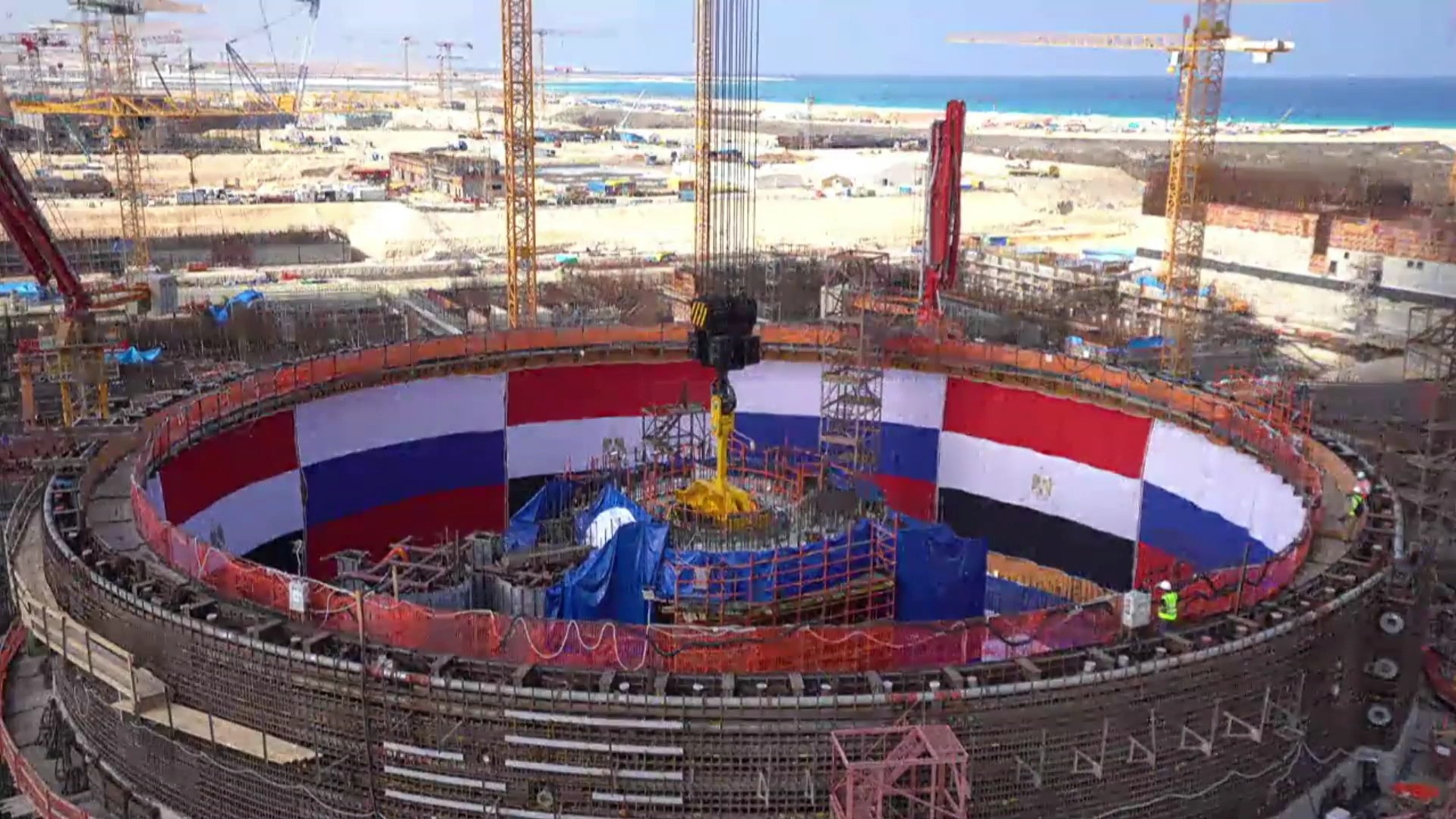
Just days after Egyptian nuclear authorities reportedly accused Rosatom of construction defects, poor management and vi...
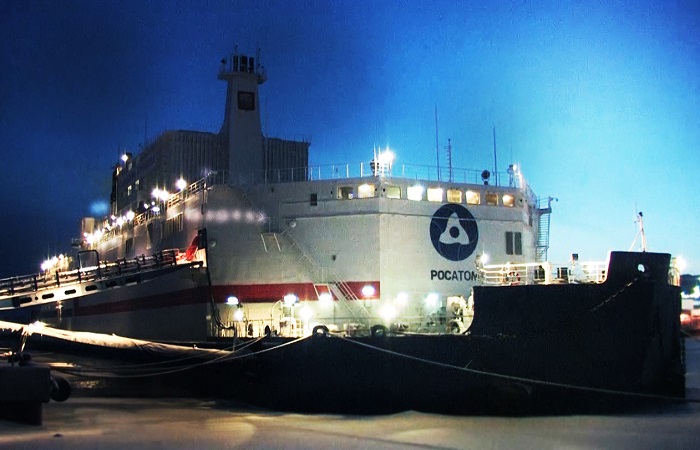
For years, the Akademik Lomonosov looked like one of the nuclear industry’s more eccentric experiments: two reactors mounted on a barge and tow...