
From reactors to shipping: Rosatom tightens its grip on Russian transport
Russia’s state nuclear corporation Rosatom has taken full control of one of the country’s largest logistics companies, consolidating an expanding tra...
News

Publish date: July 12, 2021
News
What is needed to enable CCS to play its intended role in industrial decarbonisation? For the last #TenETuesday before the summer break, Frederik Pieters from BASF Antwerpen NV breaks down the situation in Belgium – highlighting that a revised TEN-E Regulation must take into consideration the different situation and CO2 storage potential across European Member States.
What is the role for CCS on the pathway to net-zero by 2050, and why is it important for your activities?
I think CCS will be very important in the transformation of our processes in the chemical industry. Keep in mind that a lot of the CO2 emitted is not linked to energy consumption – they are process emissions. And for these process emissions there are not really other viable alternatives.
In Antwerp there is a consortium project, Antwerp@C, looking into the potential of shared CO2 infrastructure. Within the port of Antwerp there are a lot of industrial companies that could connect to this shared infrastructure. At BASF Antwerp we are looking at the possibility of on-site capture of CO2 to be linked to this shared infrastructure of Antwerp@C.
How can the ongoing TEN-E Regulation revision contribute positively to the development of a European CO2 network facilitating industrial decarbonisation?
Well, first of all we think that any regulation supporting the ongoing energy shift should have a holistic view. In the context of CCS this would mean an end-to-end view of capturing, transporting, potentially liquefying and shipping the CO2 until final storage. Only by having such a full value-chain view will Europe be capable of deploying CCS markets at scale.
It is based on this that we agree that an update of the TEN-E Regulation is really needed to include all aspects of CCS, because currently it is limited to only include specific pipeline projects.
How can the inclusion of multiple transport modalities help optimise the European cross-border benefit of CCS?
There are indeed big differences between European Member States. First of all, the concentration of industry is totally different, and secondly so is the potential for renewable energy. Let’s look at Belgium for example, we have a very limited potential to generate our own renewable energy – and have a large industry share. In other countries, the situation is completely different.
In Belgium, since it does not have the right geology to permanently store CO2 itself, we will have to export our CO2 to other countries with different situations – notably countries that have the right geology for permanent storage of CO2. Some of these countries and storage facilities are not close in location and are difficult to reach by pipelines. This is why we are looking into liquefying CO2, to enable transport by other means than pipeline. This is why it is our opinion that CO2 transport by ship, and other transport modalities in addition to pipelines, should be included as eligible in the TEN-E Regulation revision.
Russia’s state nuclear corporation Rosatom has taken full control of one of the country’s largest logistics companies, consolidating an expanding tra...
August brought signs of growing pressure on several fronts for Russia’s state nuclear corporation Rosatom, from questions surrounding major construct...
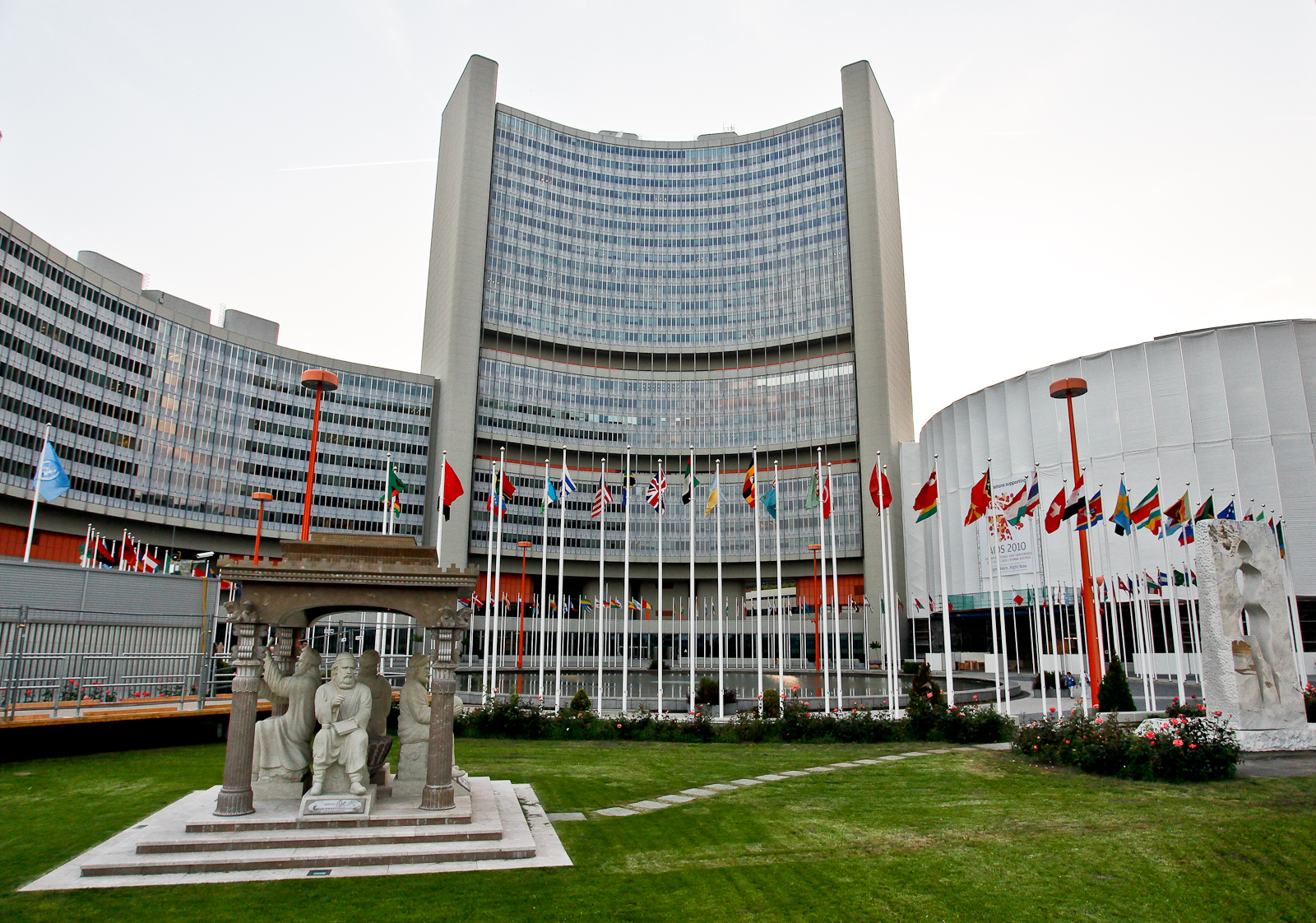
The International Atomic Energy Agency has suspended one of its most senior Russian officials — but for reasons largely unrelated to the questions ab...
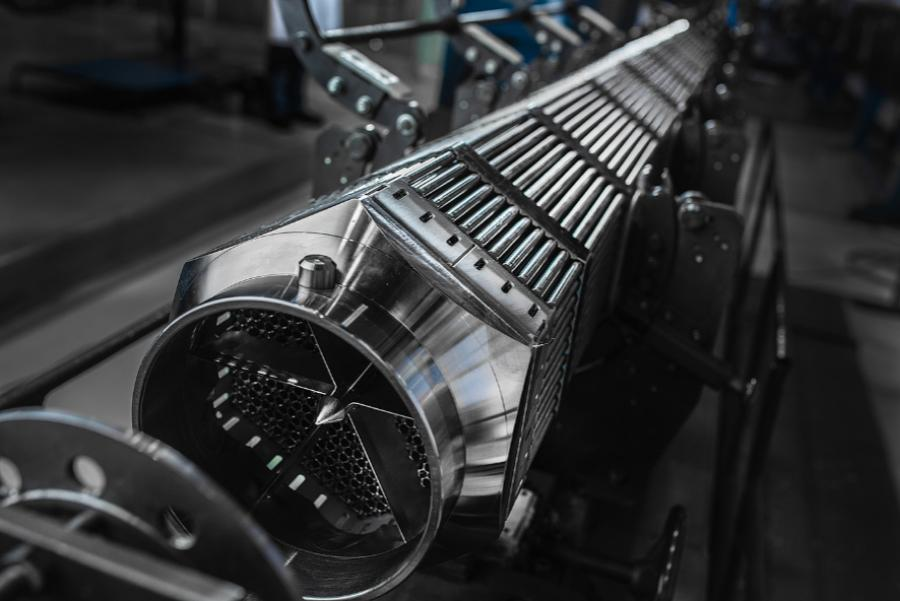
Europe’s effort to break its dependence on Russian nuclear fuel has a paradox in Germany: making Russian-designed fuel without buying it from Russia ...