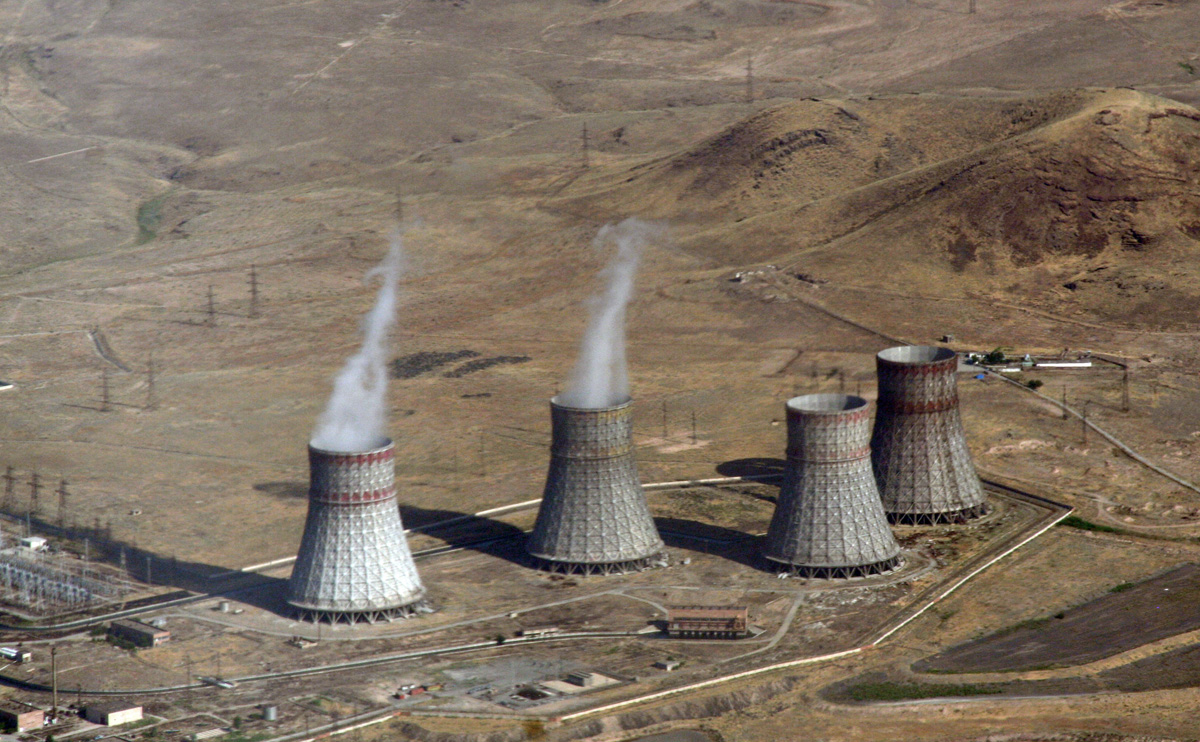
Armenia reconsiders nuclear future as Rosatom offers replacement for aging Soviet reactor
Armenia is reconsidering its plans for a new nuclear power plant after a fresh proposal from Russia’s state nuclear corporation Rosatom and a s...
News

Publish date: November 22, 2009
Written by: Charles Digges
News
Over the past several weeks, Circuit Courts covering Mississippi and Connecticut have allowed suits against major US utilities and industries to proceed, as the courts have ruled the plaintiffs have due cause to link damages they have suffered to climate change produced by oil refineries and coal fired power plants.
The moves by the court are especially noteworthy, as they represent the first time the American judiciary has had to consider tracing actual damages caused by climate change back to their source.
In its decision to advance the Mississippi case, the Fifth Circuit Court of Appeals cited that climate gasses were “fairly traceable” as probable cause to continue litigation against the emitting corporations, overruling the First Circuit court, who had ruled that climate change was a political, not a legal issue.
In a separate case, the United States’ Second Circuit Court of appeals allowed the case of Connecticut vs. AEP (American Electric Power) to move forward. This decision allows nuisance claims filed by several states against coal burning utilities to proceed.
The issue will be especially poignant in the state of Mississippi, where a group of 12 homeowners are seeking damages from 33 energy companies, including ExxonMobile and coal giant Peabody Energy, electric utilities and other conglomerates who they say were responsible for contributing to greenhouse gas emissions that caused 2005’s Hurricane Katrina, which nearly five years later still has the US Gulf Coast reeling to clean up damages.
 Photo: Courtesy of Peggy Groves for Bellona Web
The case therefore brings with it a lot of baggage for those whose lives were moved back to square one by the storm.
Armenia is reconsidering its plans for a new nuclear power plant after a fresh proposal from Russia’s state nuclear corporation Rosatom and a s...

Russia’s state nuclear corporation Rosatom has taken full control of one of the country’s largest logistics companies, consolidating an expanding tra...
August brought signs of growing pressure on several fronts for Russia’s state nuclear corporation Rosatom, from questions surrounding major construct...
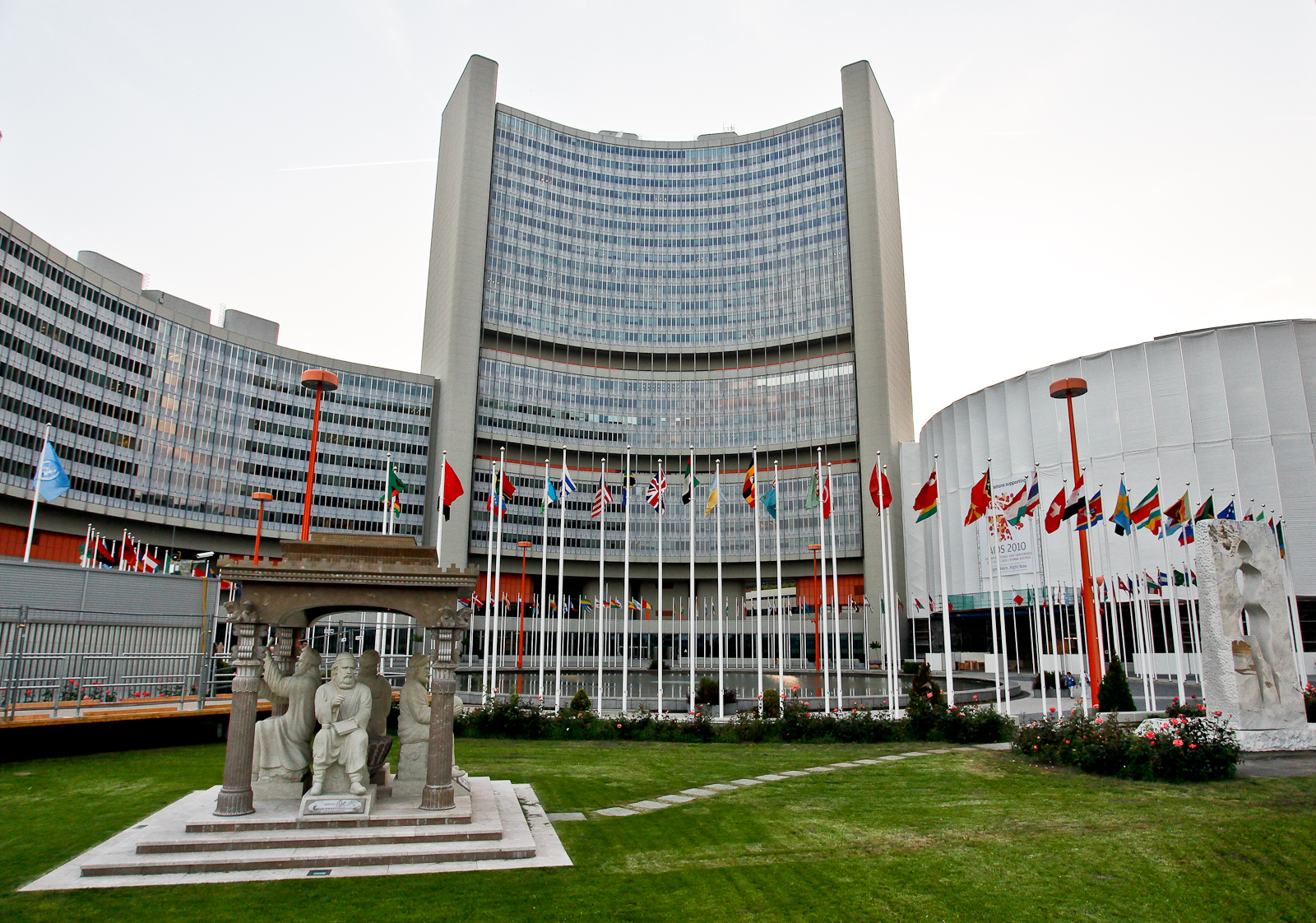
The International Atomic Energy Agency has suspended one of its most senior Russian officials — but for reasons largely unrelated to the questions ab...