Rosatom faces pressure abroad as Zaporizhzhia’s nuclear risks deepen
August brought signs of growing pressure on several fronts for Russia’s state nuclear corporation Rosatom, from questions surrounding major construct...
News
Publish date: October 27, 2014
News
The parliamentary committee states that renewable energy sources will be able to contribute 50-60% of Finland’s energy to 2050. Although forest biomass will continue to form a significant part of renewables up to 2050, the committee notes that the share of solar, wind and geothermal energy can be increased. Significant energy efficiency improvements can be achieved without threatening national competitiveness.
Moreover, the report is optimistic with regards to the energy security outlook of the country. It estimates that Finland should be able to produce 50-60% of its energy by 2050, reducing reliance on imported fuels. Assuming that nuclear energy is classified as a domestic source, the rate of self-sufficiency in energy could go up even higher to 80%. Nuclear, however, is usually considered an imported energy in Finland due to the fact that it has to be purchased from overseas.
A report entitled Nordic CCS Roadmap – A vision for Carbon Capture and Storage towards 2050 states that Finland is unique in that 40% of its CO2 emissions are of biogenic origin, making Bio-CCS an effective and cost-effective option for industries with no other means of reducing emissions.
Finland’s former Environment Minister Ville Niinistö said “The climate change act is an attempt to establish Finland as a leader in low-carbon society. The current emissions targets, which extend until 2020, are simply not enough. We must plan for the society of 2050 today”.
You can read the parliamentary committee report here.
August brought signs of growing pressure on several fronts for Russia’s state nuclear corporation Rosatom, from questions surrounding major construct...
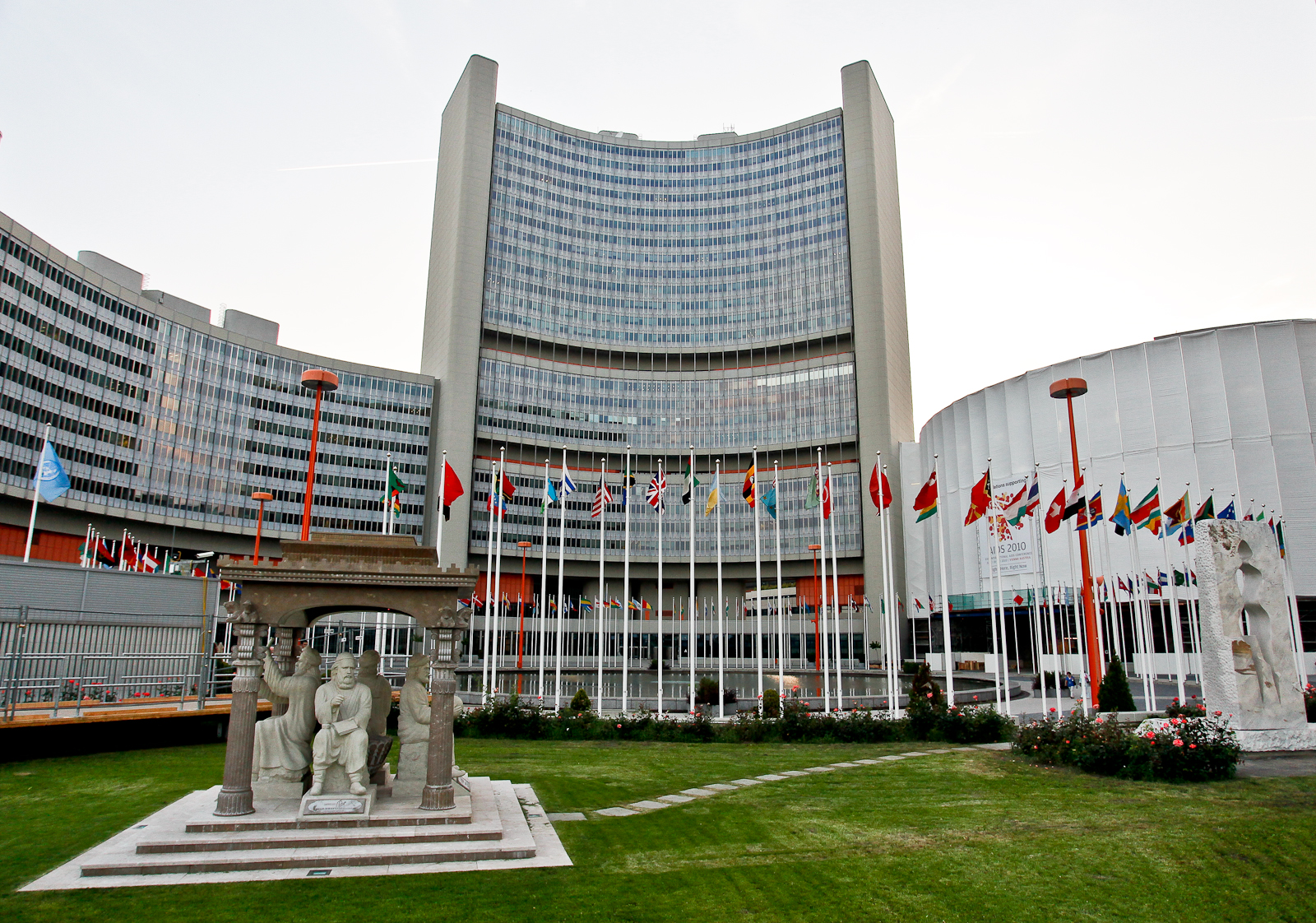
The International Atomic Energy Agency has suspended one of its most senior Russian officials — but for reasons largely unrelated to the questions ab...
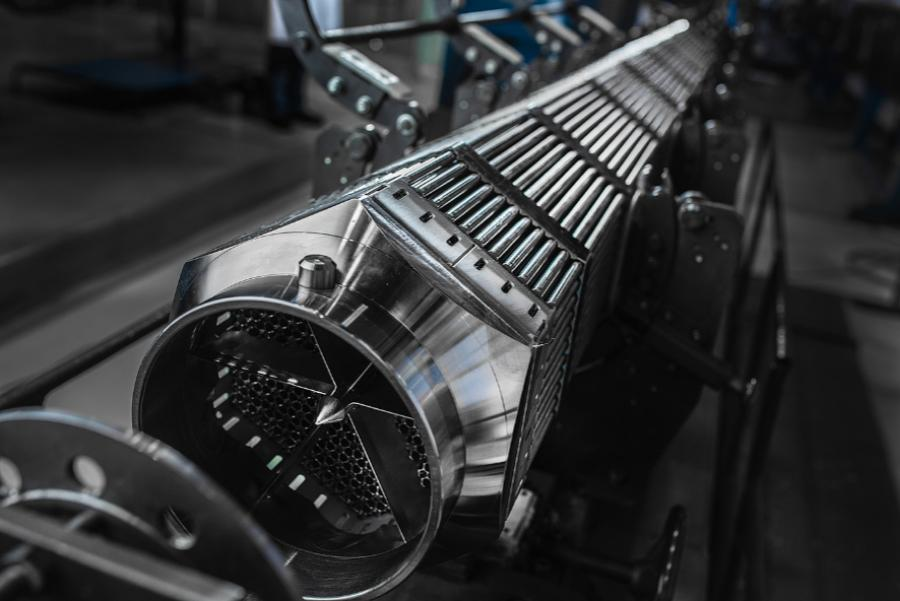
Europe’s effort to break its dependence on Russian nuclear fuel has a paradox in Germany: making Russian-designed fuel without buying it from Russia ...
Nearly four and a half years after Russia’s full-scale invasion of Ukraine, July offered fresh evidence of how difficult it remains to disentangle Ru...