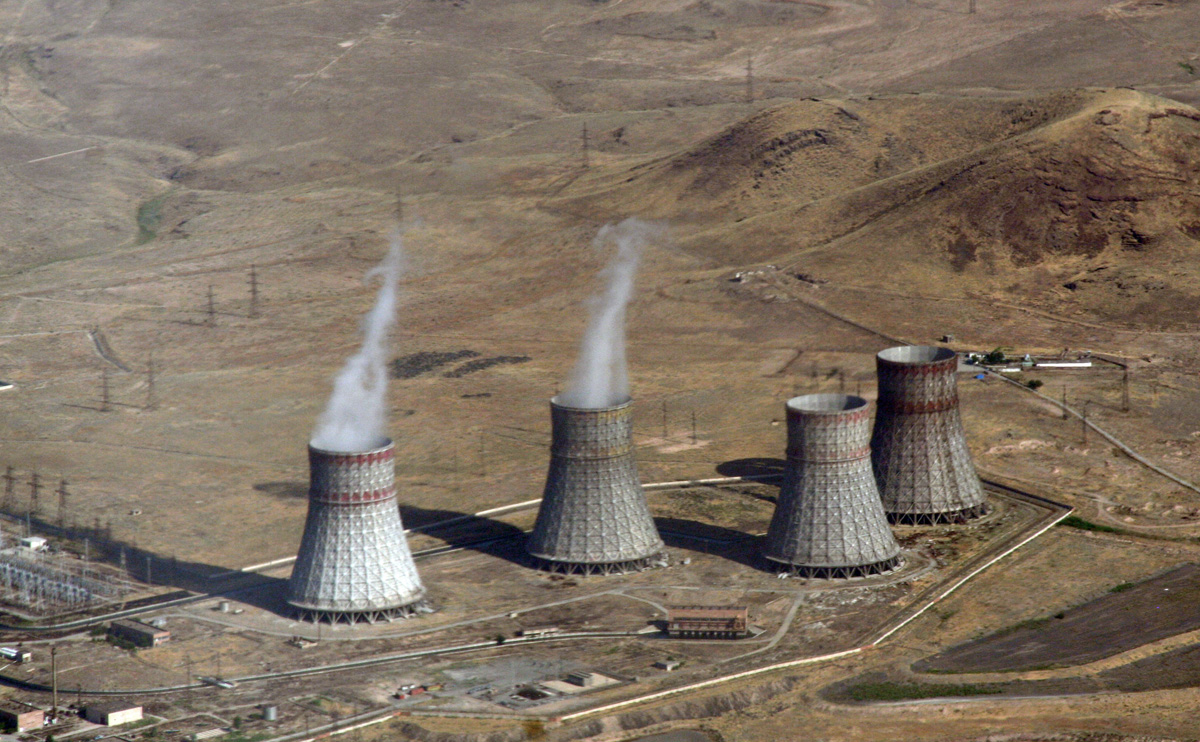
Armenia reconsiders nuclear future as Rosatom offers replacement for aging Soviet reactor
Armenia is reconsidering its plans for a new nuclear power plant after a fresh proposal from Russia’s state nuclear corporation Rosatom and a s...
News
Publish date: September 1, 2010
News
The Šoštanj thermal power plant, in northern Slovenia, provides electricity and thermal energy for industrial use and heating to a large part of the Šaleška Valley region. Overall, the facility produces 33% of Slovenia’s electricity output.
The EBRD loan will support the construction of a 600 MW capacity coal-fired unit that will replace five existing low efficiency and high carbon intensity units. The modernisation will be co-financed by the European Investment Bank (EIB).
EBRD said during a press release that the project will utilise improve efficiency and thus contribute to a CO2 emissions reduction of around 1,2 million tonnes of CO2 annually. In it will reduce Slovenia’s annual greenhouse gas (GHG) emissions by 8%.
A key characteristic of the new unit is that it is designed to be CO2 capture storage (CCS) ready, thus representing EBRD’s first project featuring the ability to apply CCS when the technology becomes commercially available.
However, the company has so far refused to explain what the CCS-readiness will actually mean.
Armenia is reconsidering its plans for a new nuclear power plant after a fresh proposal from Russia’s state nuclear corporation Rosatom and a s...

Russia’s state nuclear corporation Rosatom has taken full control of one of the country’s largest logistics companies, consolidating an expanding tra...
August brought signs of growing pressure on several fronts for Russia’s state nuclear corporation Rosatom, from questions surrounding major construct...
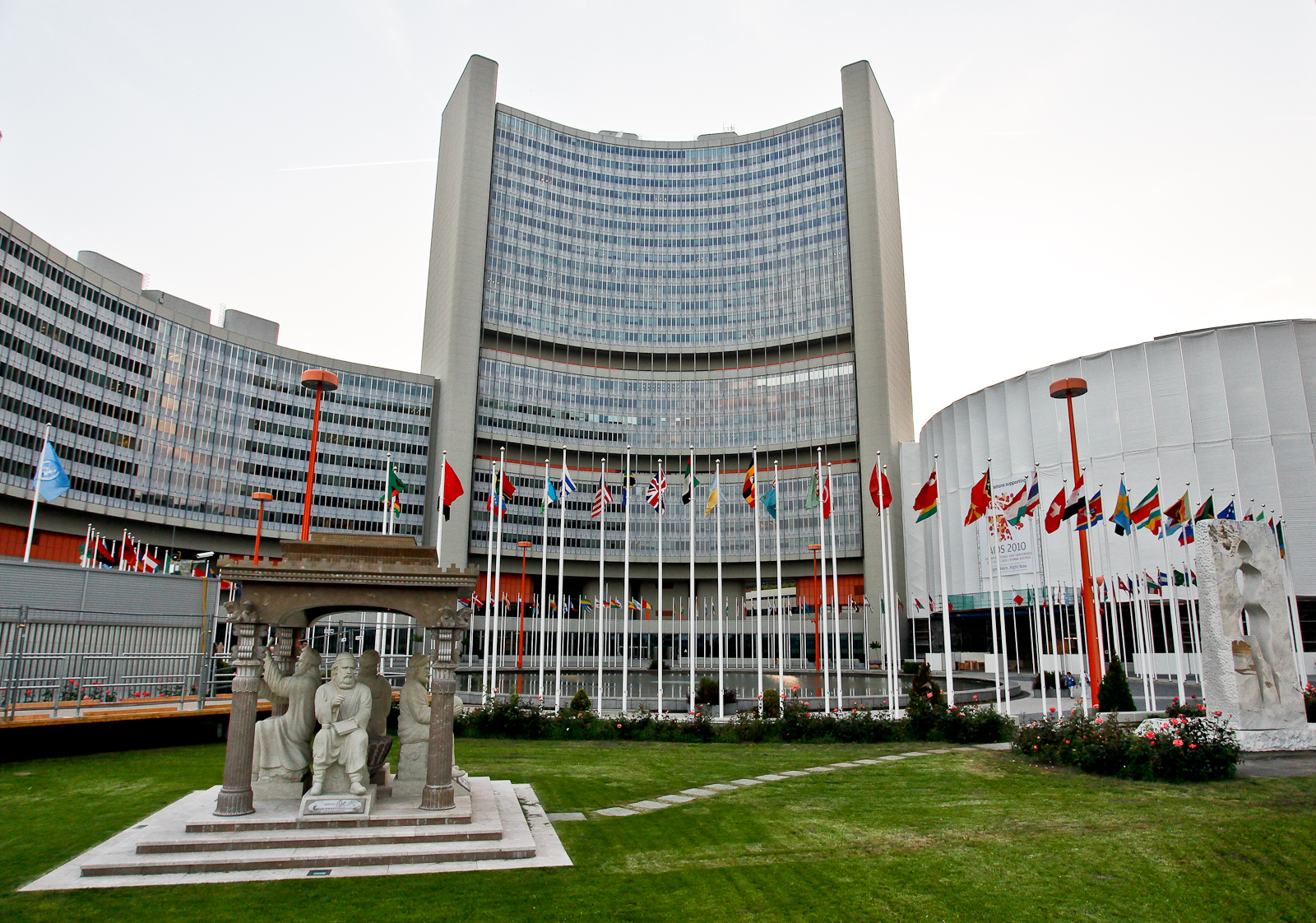
The International Atomic Energy Agency has suspended one of its most senior Russian officials — but for reasons largely unrelated to the questions ab...