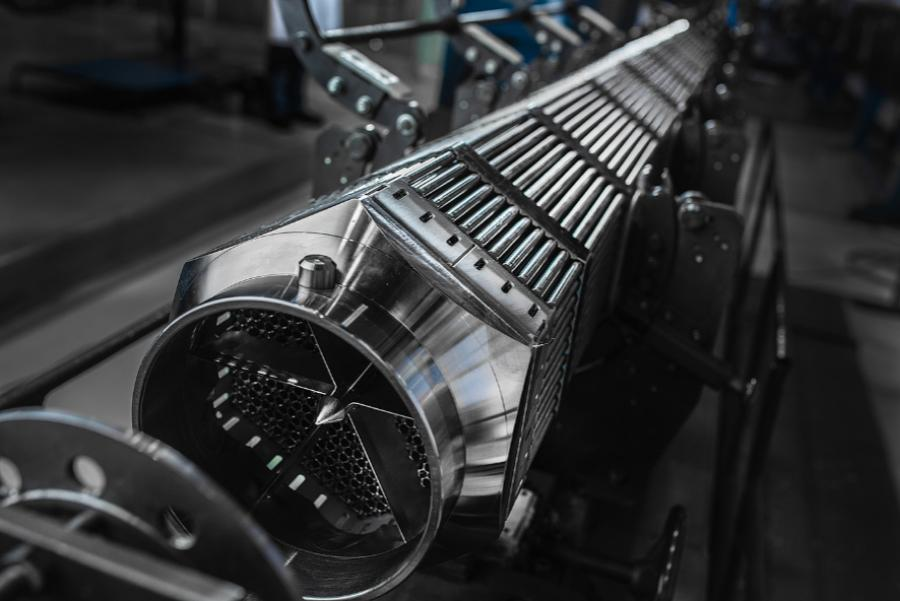
Germany wants independence from Russian nuclear fuel, using Rosatom as a bridge
Europe’s effort to break its dependence on Russian nuclear fuel has a paradox in Germany: making Russian-designed fuel without buying it from Russia ...
News

Publish date: August 7, 2007
Written by: Charles Digges
News
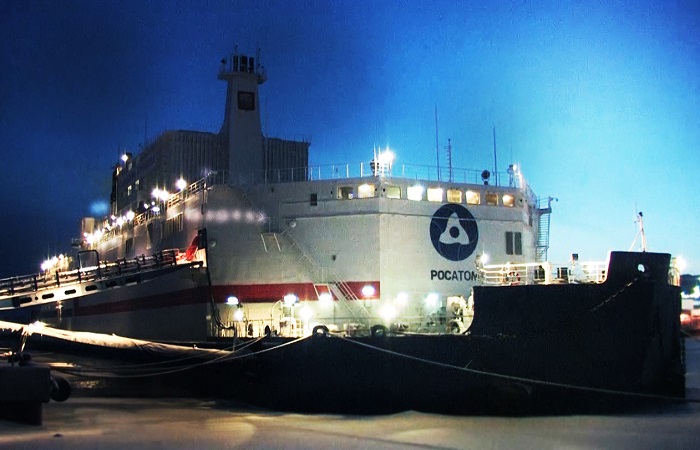
Officials say they plan to have the 19-year-old Sevmorput icebreaker ready for drilling operations within a year and a half.
The project is expected by company officials to catapult the Russian civilian icebreaker fleet onto the cutting edge of oil drilling and speculation in the Arctic. But increased activity of nuclear vessels will put pressure on Russia’s already strained resources to store radioactive waste. This strain on the environment could be compounded by a higher potential for oil spills as the Arctic oil gold rush gains momentum.
The announcement of the Sevmorput project comes quickly on the heels of last week’s deep-sea oil speculating journey below the polar icecap led by Russian parliamentarian and Arctic explorer Artur Chlingarov and the nuclear icebreaker Rossiya.
The trip, which culminated in Chilingarov descending in a bathyscape to set an aluminum Russian flag on the sea bed below the North Pole, was part of Moscow’s push to lay claim to great swathes of disputed oil rich underwater territories.
The United States and Canada oppose Arctic territorial claims Russia has made to the Lomonosov Ridge, which extends into Canadian waters, and both governments have scoffed at Moscow’s exploration of the new Arctic frontier.
But the Murmansk Shipping Company’s investment in retooling the Sevmorput, which was commissioned in 1988 to deliver cargo containers to towns along Siberia’s northern coast, would seem to fit with Russia’s plans for further oil exploration in the Arctic. The Murmansk Shipping Company is in charge of Russia’s civilian nuclear icebreaker fleet.
According to Alexander Medvedev, General Director of the Murmansk Shipping Company, the Sevmorput will be readied for drilling operations within the next 18 months – a breakneck pace by most experts’ assessments. The transformation of the vessel will take place at the Zvezdochka ship repair yard in Severodvisnk, b-port.com reported.
Medvedev specified the modified Sevmorput would drill the Barents Sea and further into the Arctic, the Barents Observer reported.
Medvedev said that the transformation operation is indicative of the Murmansk Shipping Company’s growing focus on supplying its fleet of nine nuclear icebreakers for the predicted Arctic oil boom.
Medvedev said the Sevmorput project is hoped to position the Murmansk Shipping Company as a major contractor in Arctic oil exploration. The company has worked in cooperation with Russian gas giant Lukoil to develop terminals in Varandey along the Baltic Sea coast.
Europe’s effort to break its dependence on Russian nuclear fuel has a paradox in Germany: making Russian-designed fuel without buying it from Russia ...
Nearly four and a half years after Russia’s full-scale invasion of Ukraine, July offered fresh evidence of how difficult it remains to disentangle Ru...

Just days after Egyptian nuclear authorities reportedly accused Rosatom of construction defects, poor management and vi...
For years, the Akademik Lomonosov looked like one of the nuclear industry’s more eccentric experiments: two reactors mounted on a barge and tow...