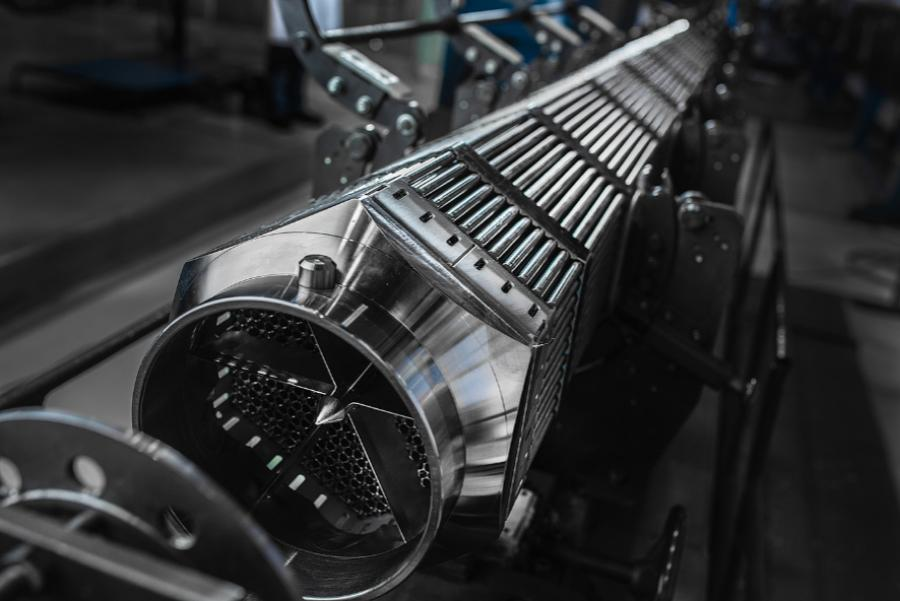
Germany wants independence from Russian nuclear fuel, using Rosatom as a bridge
Europe’s effort to break its dependence on Russian nuclear fuel has a paradox in Germany: making Russian-designed fuel without buying it from Russia ...
News
Publish date: December 15, 1998
Written by: Thomas Nilsen
News
The refuelling of the two reactors onboard Rossiya is scheduled to take a week. The fuel assemblies will be transferred from the reactors to storage casks onboard the service ship Imandra at the nuclear powered icebreaker fleet’s service base Atomflot, just north of Murmansk. Each of the two reactor cores consists of 241 fuel assemblies. Imandra has six storage sections. Each section contains 50 storage containers, each of which has room for five fuel assemblies.
Refuelling takes place some every third or fourth year. In November 1988, a serious incident happened during refuelling of Rossiya. The incident involved one of the two reactors, and according to the Russian Magazine Vodny Transport, a reactor meltdown was narrowly avoided. The exact cause of the incident is not clear. The nuclear-powered icebreaker Rossiya has been in normal operation since.
Europe’s effort to break its dependence on Russian nuclear fuel has a paradox in Germany: making Russian-designed fuel without buying it from Russia ...
Nearly four and a half years after Russia’s full-scale invasion of Ukraine, July offered fresh evidence of how difficult it remains to disentangle Ru...
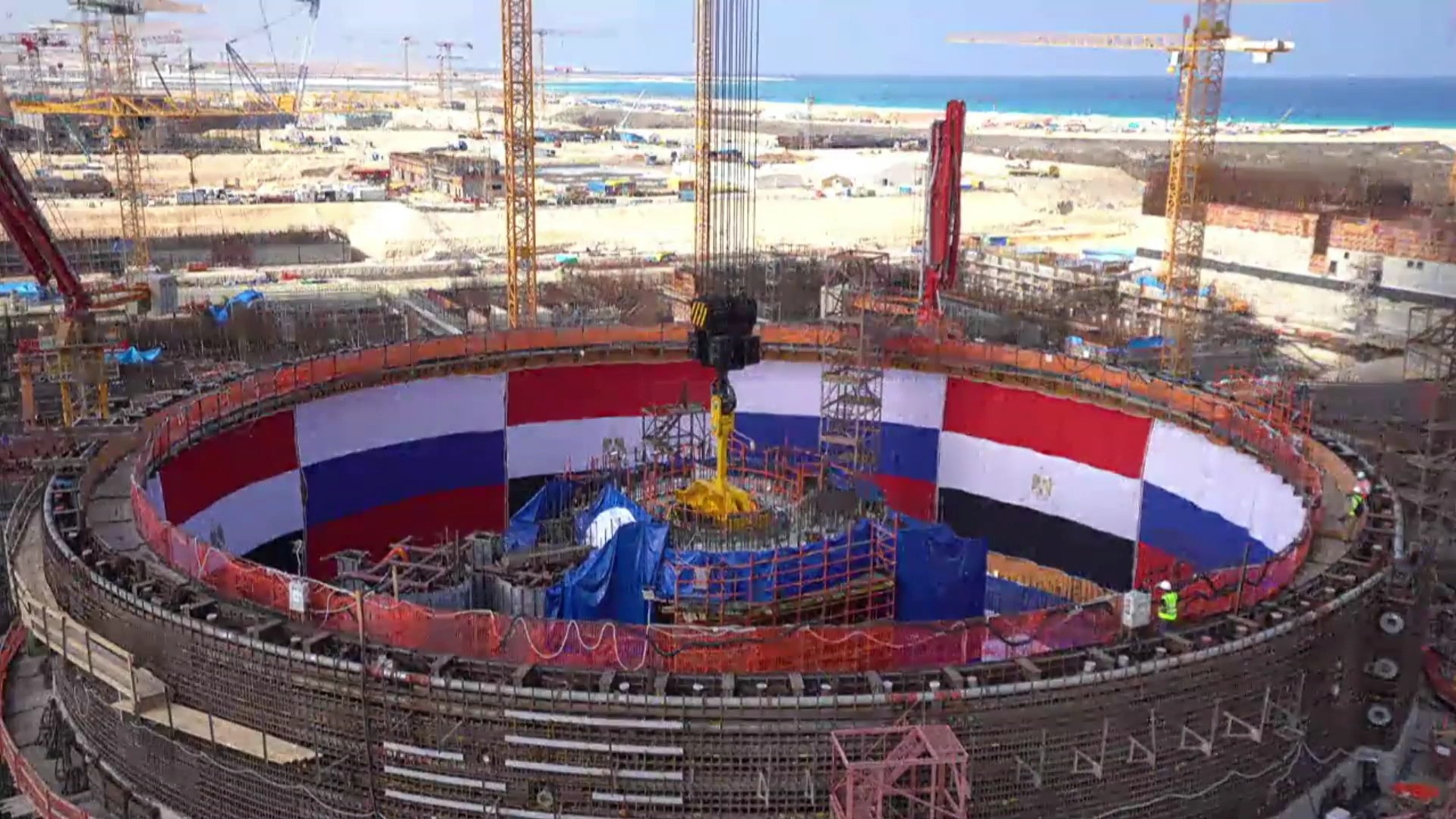
Just days after Egyptian nuclear authorities reportedly accused Rosatom of construction defects, poor management and vi...
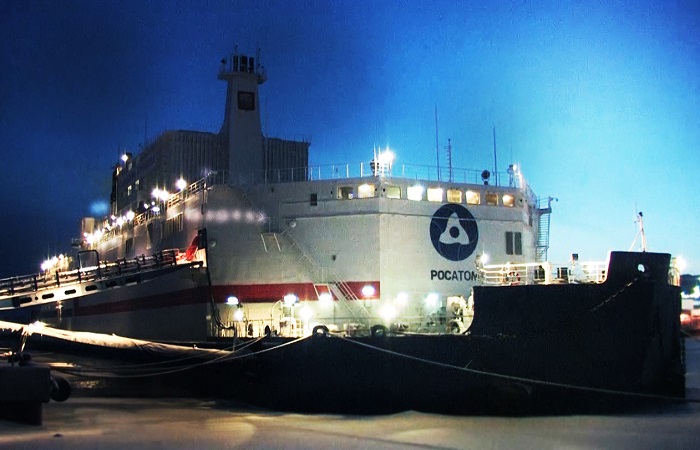
For years, the Akademik Lomonosov looked like one of the nuclear industry’s more eccentric experiments: two reactors mounted on a barge and tow...