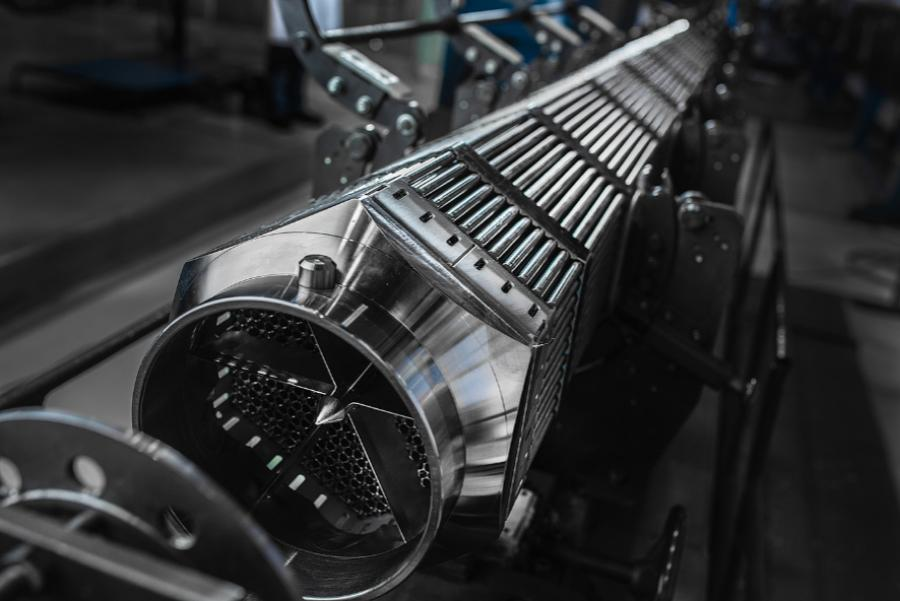
Germany wants independence from Russian nuclear fuel, using Rosatom as a bridge
Europe’s effort to break its dependence on Russian nuclear fuel has a paradox in Germany: making Russian-designed fuel without buying it from Russia ...
News

Publish date: November 8, 2007
Written by: Eivind Hoff
News
The interim report was presented on October 31st by Prof. Andreas Troge, president of the German Environment Agency, and German environment minister Sigmar Gabriel. According to the study, the measures adopted by the German cabinet in August in Meseberg will lead to savings of over EUR 36 billion of coal, oil and gas consumption.
In contrast, the additional costs for corresponding investments will amount to only EUR 31 billion euros. On average, every tonne of CO2 saved has a savings effect of EUR 26, proving that emissions reductions pay off.
"These are very encouraging findings. They confirm in particular that energy savings make economic sense – notwithstanding climate change. This holds true in every country," Bellona energy advisor Ane Brunvoll says.
The German Environment Agency carried out two calculations. First, the climate protection impacts of the integrated energy and climate programme were analysed. According to this, the adopted measures can reduce CO2 emissions in Germany by 36 percent by 2020 compared with the base year of 1990.
Secondly, an expert team carried out an economic assessment of the central measures of the integrated energy and climate programme. It found that:
Environment Minister Gabriel said: "We will adopt the implementation of the key elements of the Meseberg package in the cabinet before the international climate change conference in Bali at the beginning of December. By doing this we will send an important signal for international negotiations: climate protection pays off."
Europe’s effort to break its dependence on Russian nuclear fuel has a paradox in Germany: making Russian-designed fuel without buying it from Russia ...
Nearly four and a half years after Russia’s full-scale invasion of Ukraine, July offered fresh evidence of how difficult it remains to disentangle Ru...
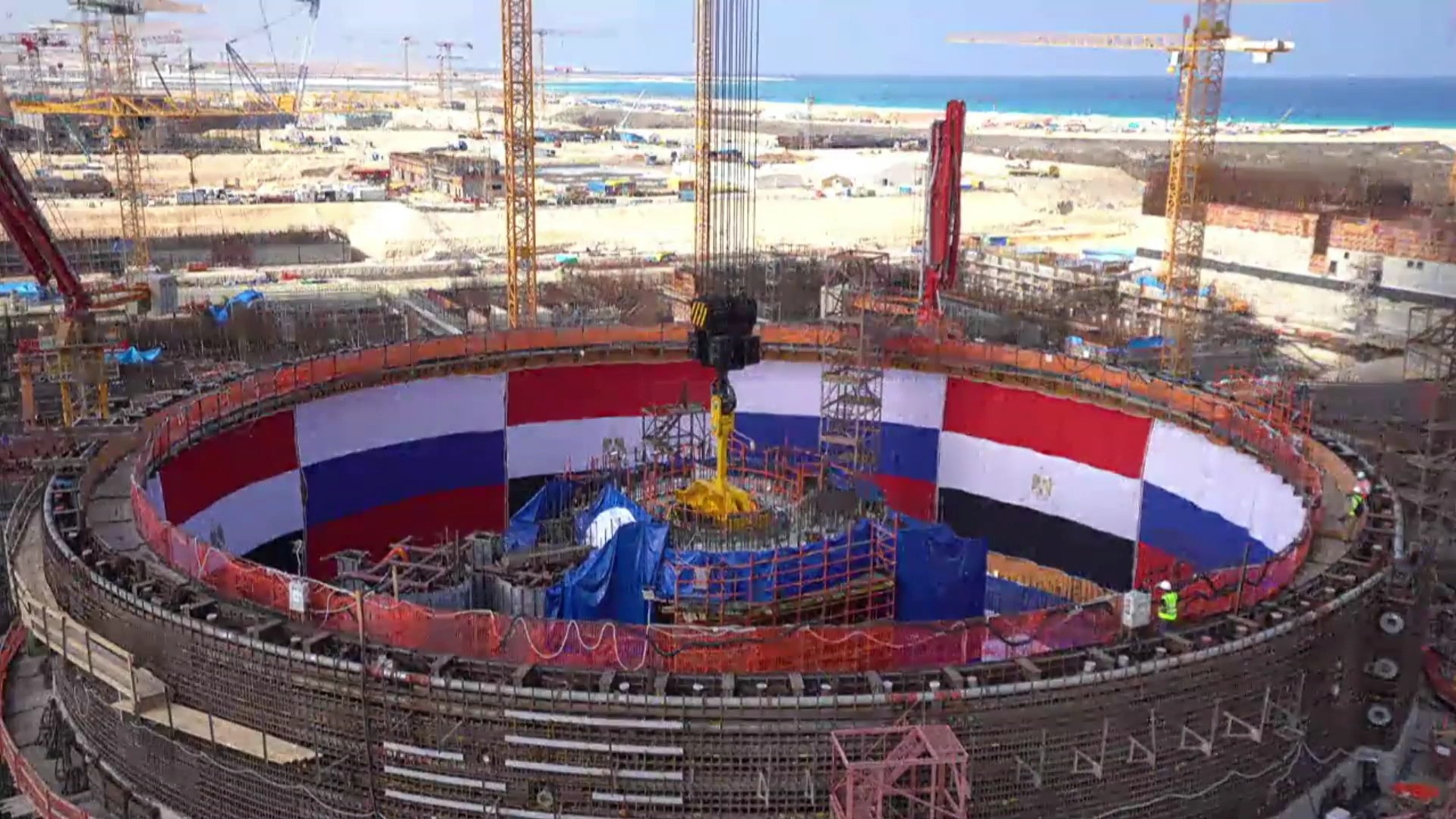
Just days after Egyptian nuclear authorities reportedly accused Rosatom of construction defects, poor management and vi...
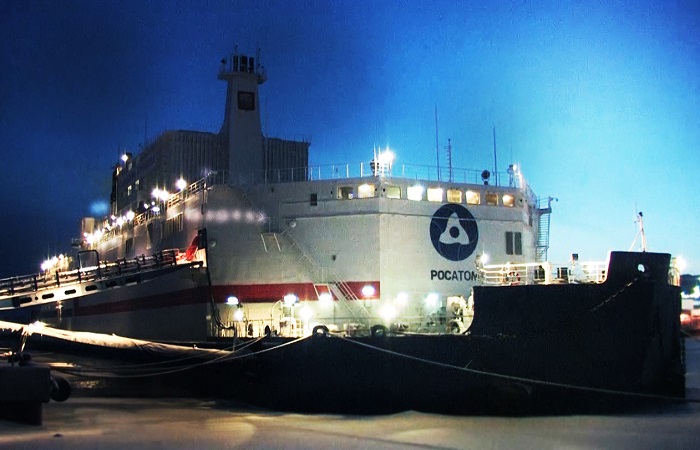
For years, the Akademik Lomonosov looked like one of the nuclear industry’s more eccentric experiments: two reactors mounted on a barge and tow...