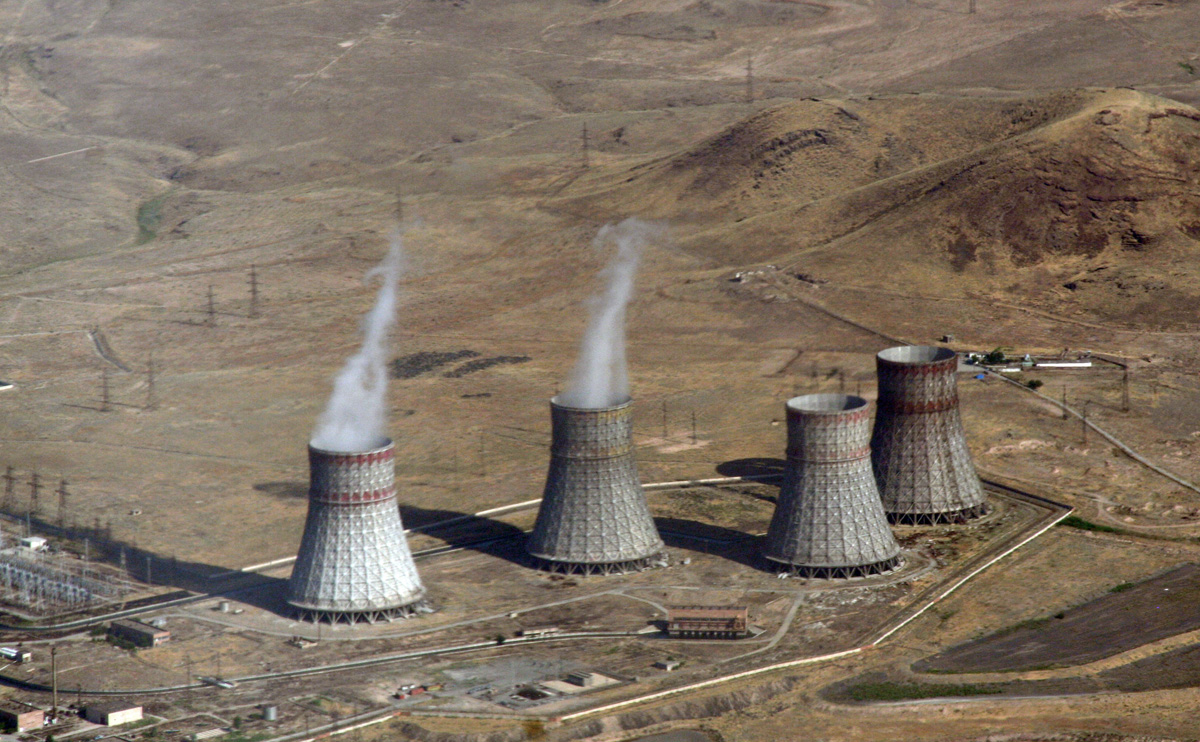
Armenia reconsiders nuclear future as Rosatom offers replacement for aging Soviet reactor
Armenia is reconsidering its plans for a new nuclear power plant after a fresh proposal from Russia’s state nuclear corporation Rosatom and a s...
News
Publish date: October 17, 2008
News
The test represents the first time such vessels have been towed by Russia with the use of specially designed support pontoons designed to avert a sinking similar to that of the K-159 incident in August 2003.
The transport was carried out at night, making conditions more difficult, but the experiment came off successfully.
The pontoon project was financed by Great Britain through the Arctic Military Environmental Cooperation (AMEC) programme, the B-port news agency quoted Nerpa as saying. Nerpa built the pontoons. Analogous systems for transporting boats that cannot travel on their own power do not exist in Russia.
But in 2006, the Dutch firm Dockwise was contracted to move the Russian K-60 decommissioned submarine with one of its so called heavy transport vessels by Norway in accord with the AMEC programme. Such vessels have submergible decks, which lift derelict submarines out of the water.
Each of the four support pontoons developed by Nerpa can hold 200 tons. For extra durability, the pontoons are double cushioned and two decks. The pontoons themselves balance a submarine during transport independent of weather conditions and wave height, and provide seaworthiness to even damaged submarines in wave conditions of more than four points.
A first generation decommissioned submarine was chosen for the experiment. The operation was undertaken within the framework of dismantling the November class submarine, project number 291, which is financed in various degrees by the U.K and Norway under the Global Partnership programme. After the experiment with the pontoons is certified by a government commission, they will be passes on to the emergency and rescue operations wing of Russia’s Northern Fleet.
Armenia is reconsidering its plans for a new nuclear power plant after a fresh proposal from Russia’s state nuclear corporation Rosatom and a s...

Russia’s state nuclear corporation Rosatom has taken full control of one of the country’s largest logistics companies, consolidating an expanding tra...
August brought signs of growing pressure on several fronts for Russia’s state nuclear corporation Rosatom, from questions surrounding major construct...
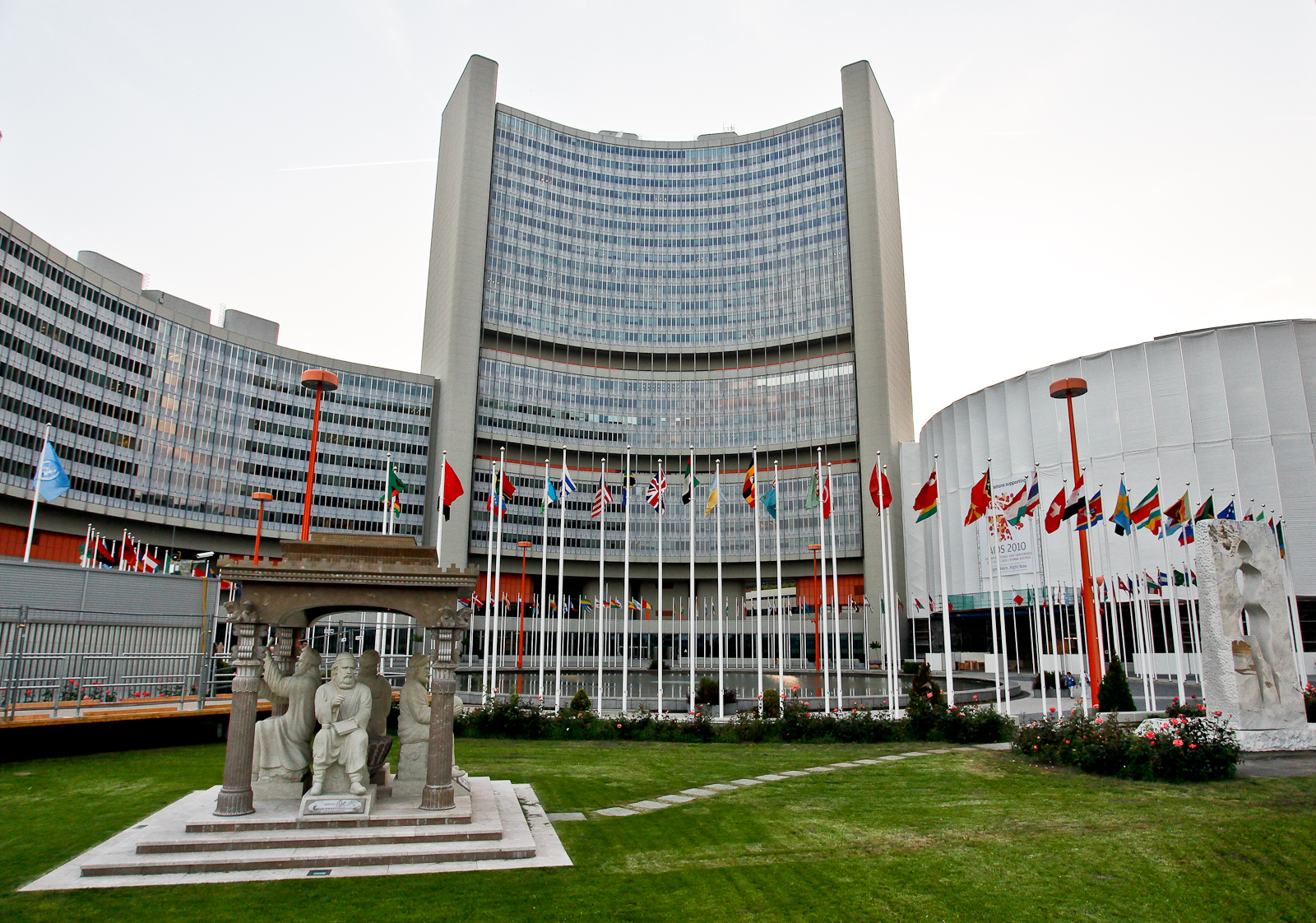
The International Atomic Energy Agency has suspended one of its most senior Russian officials — but for reasons largely unrelated to the questions ab...