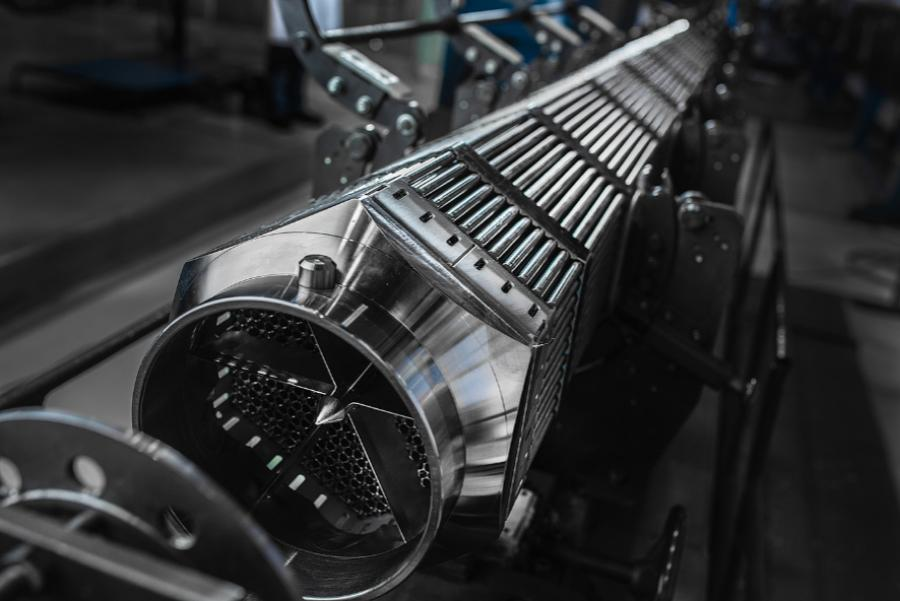
Germany wants independence from Russian nuclear fuel, using Rosatom as a bridge
Europe’s effort to break its dependence on Russian nuclear fuel has a paradox in Germany: making Russian-designed fuel without buying it from Russia ...
News
Publish date: October 9, 2008
News
Vytas Navickas told the Baltic News Service that if the country’s energy problems on a replacement for the Ignalina plant go unresolved then Lithuania may be forced to extend the use of the nuclear plant. Lithuania is expecting the EU to come up with an action plan by December 2008.
"Unless the energy security problems Lithuania would face after closing the Ignalina plant at the end of 2009 are solved, we will not approve the climate change program," Navickas told BNS, adding the country was seeking around 1 billion euros ($1.4 billion) in financial aid and higher emission quotas.
Lithuania was given EU membership in 2004 on condition the NPP was shut down in 2009. It is also committed to cutting emissions by 20% in line with all EU countries.
The replacement for Ignalina which is due to be built as part of a $3-4 billion joint project with Poland, Estonia and Latvia is unlikely to be ready before 2015. Lithuania is reluctant to close the plant and increase its reliance on Russia for energy.
Alongside Sunday’s general election in Lithuania, voters will be asked to take part in a referendum on whether to extend the life of the NPP, which provides around 6o percent of the country’s power, RIA Novosti reported.
Europe’s effort to break its dependence on Russian nuclear fuel has a paradox in Germany: making Russian-designed fuel without buying it from Russia ...
Nearly four and a half years after Russia’s full-scale invasion of Ukraine, July offered fresh evidence of how difficult it remains to disentangle Ru...
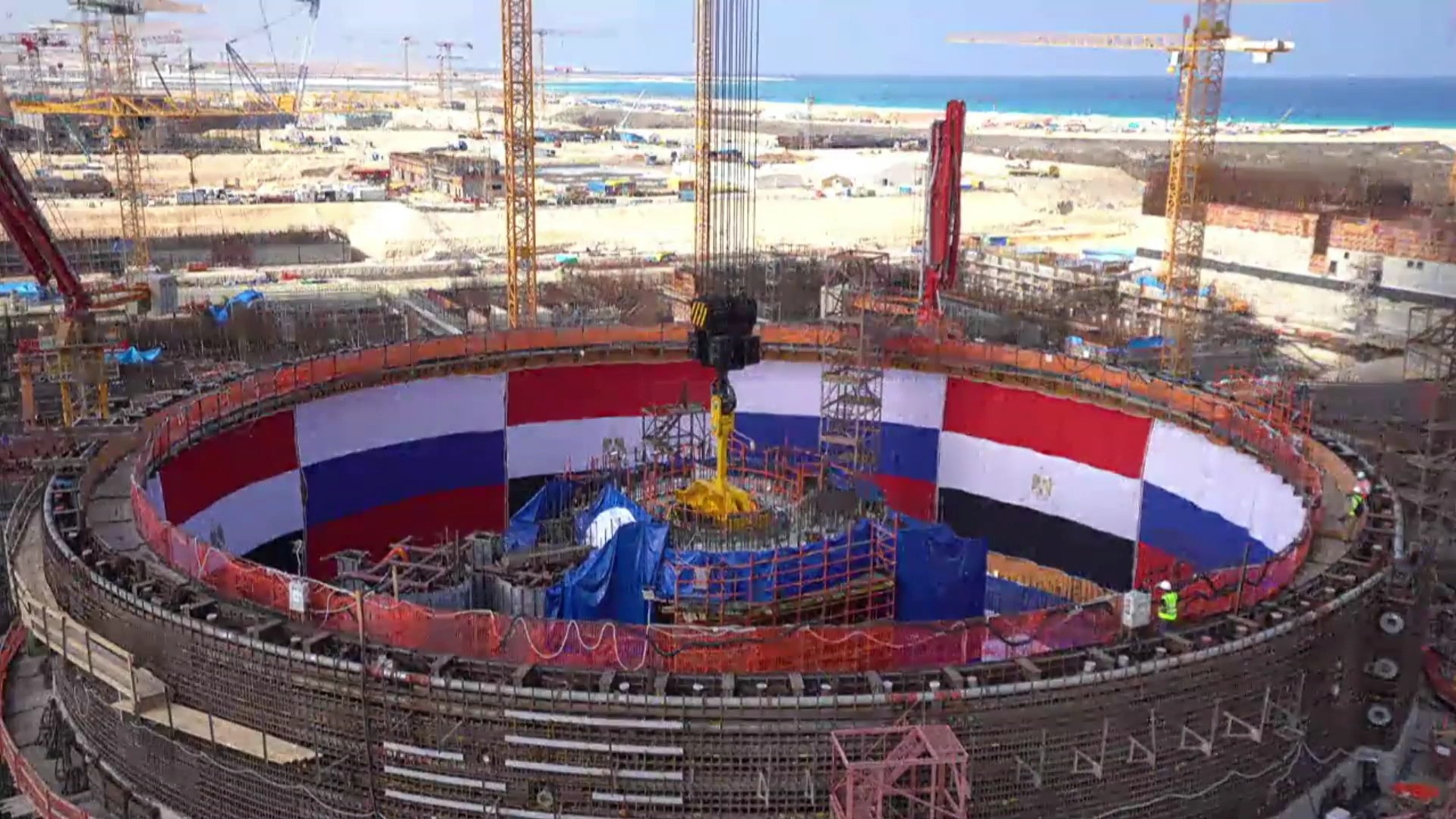
Just days after Egyptian nuclear authorities reportedly accused Rosatom of construction defects, poor management and vi...
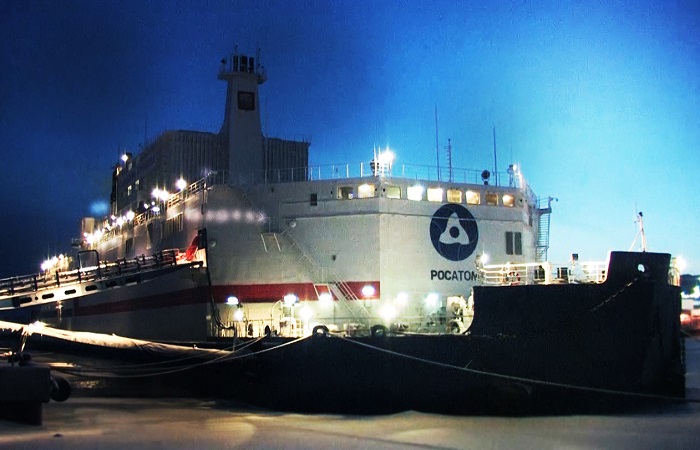
For years, the Akademik Lomonosov looked like one of the nuclear industry’s more eccentric experiments: two reactors mounted on a barge and tow...