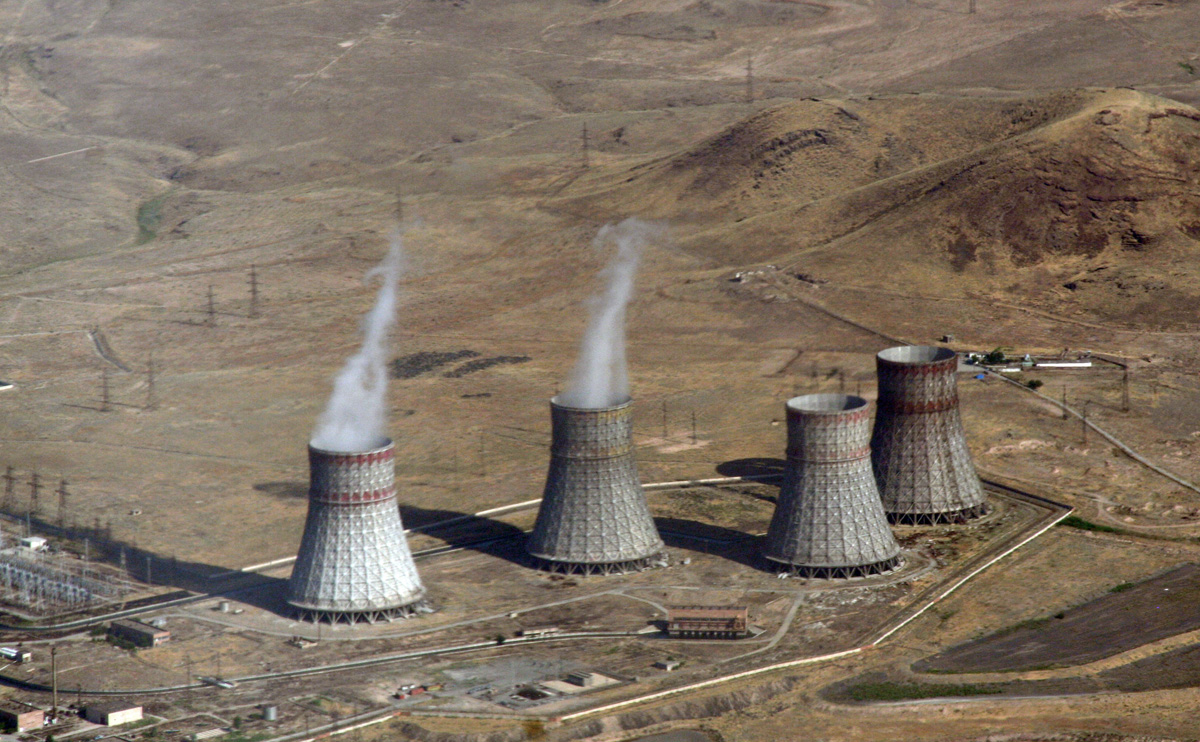
Armenia reconsiders nuclear future as Rosatom offers replacement for aging Soviet reactor
Armenia is reconsidering its plans for a new nuclear power plant after a fresh proposal from Russia’s state nuclear corporation Rosatom and a s...
News
Publish date: July 2, 2007
News
The Arkhangelsk Environmental Information Agency “ECOnet” believes that this updated contract, which does not in any way compensate for years of destruction, is nothing new for the people of the region, who have been suffering from falling rocket debris. The highest population death rate from cancer has been in the Mezenski Region where the Plesetsk State Launch Site has been used as a dump for falling rocket debris.
A retrospective study was run on the Mezensky district’s population from 1955 to 2002 to look at the fluctuations in cancer deaths in the Arkhangelsk region. In an interview with “ECOnet,” Doctor of medical sciences Svetlana Sovershayeva reported that “the study showed that the death rate increased at the end of the 1970s and beginning of the 1980s when rockets began to use heptyl fuel mixtures, and then began to stabilise itself later on. Sovershayeva noted that the poor development of the digestive system is the main reason for the Mezensky district’s cancer deaths. Cancer deaths are put at 94.6 percent of the region’s population of 100,000, while the rest of the Arkhangelsk District rounds out at 59.6 percent.
Armenia is reconsidering its plans for a new nuclear power plant after a fresh proposal from Russia’s state nuclear corporation Rosatom and a s...

Russia’s state nuclear corporation Rosatom has taken full control of one of the country’s largest logistics companies, consolidating an expanding tra...

August brought signs of growing pressure on several fronts for Russia’s state nuclear corporation Rosatom, from questions surrounding major construct...
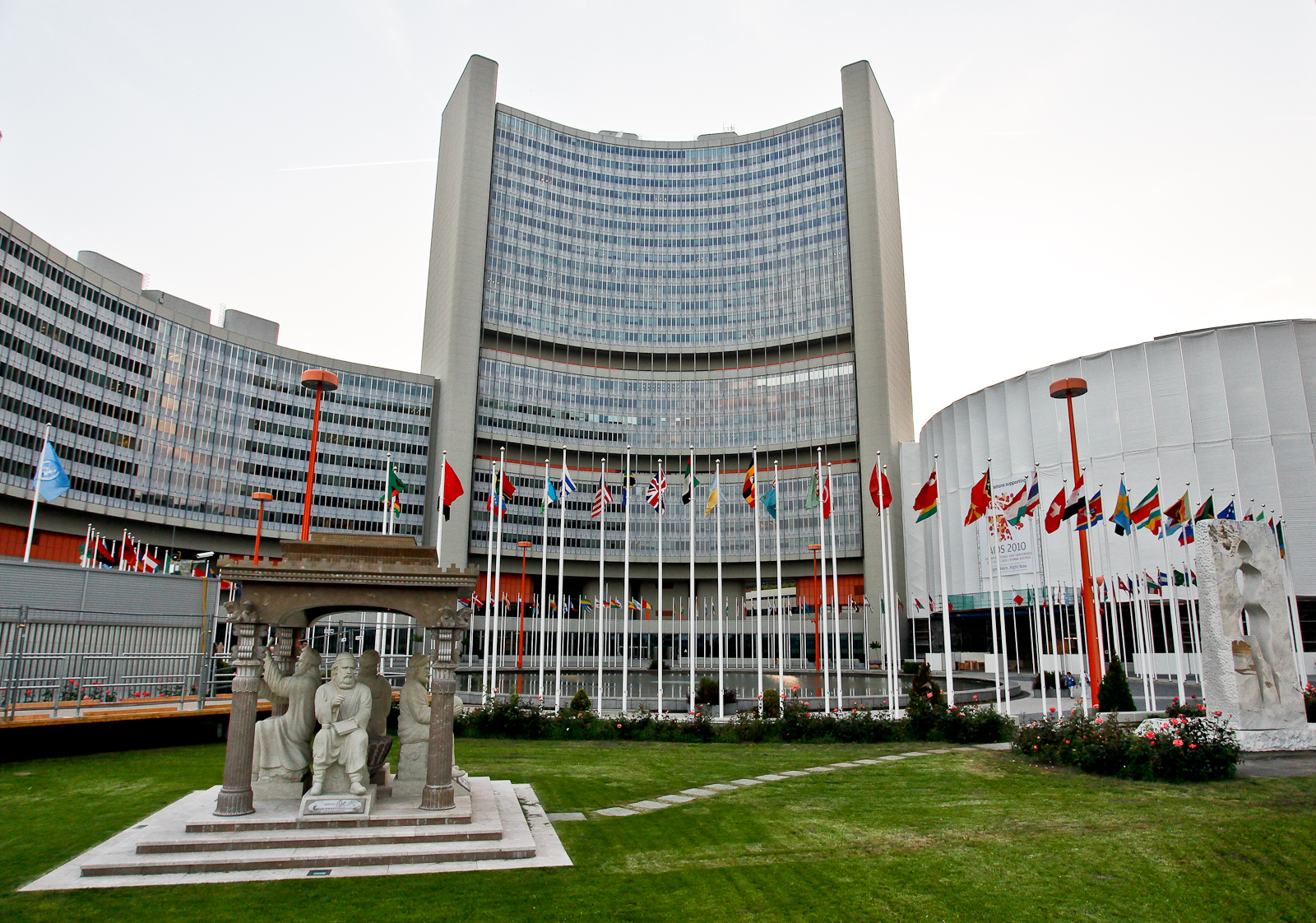
The International Atomic Energy Agency has suspended one of its most senior Russian officials — but for reasons largely unrelated to the questions ab...