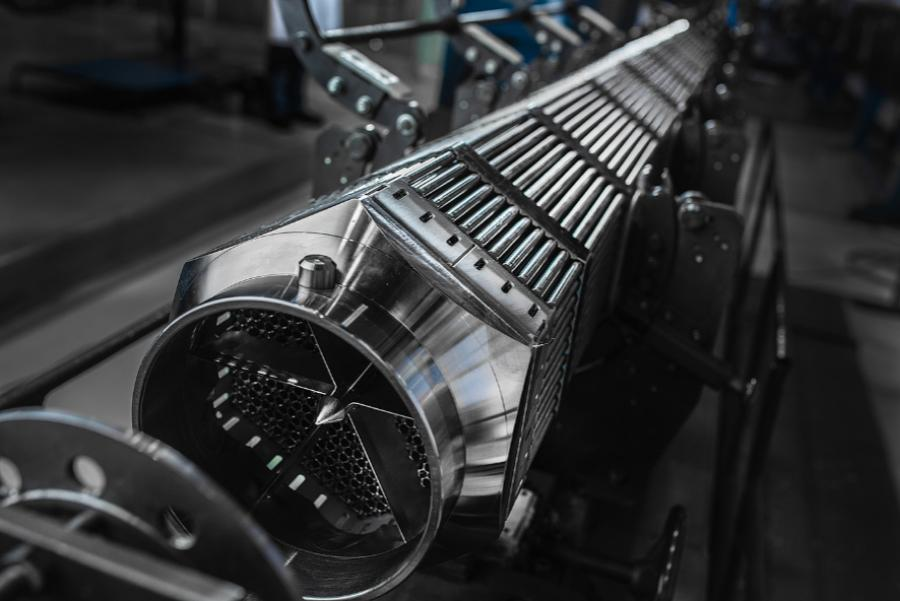
Germany wants independence from Russian nuclear fuel, using Rosatom as a bridge
Europe’s effort to break its dependence on Russian nuclear fuel has a paradox in Germany: making Russian-designed fuel without buying it from Russia ...
News
Publish date: November 8, 2007
News
Russia’s state nuclear firm Tenex said it signed the deal to help China build a fourth gas centrifuge enrichment facility to produce low-enriched uranium suitable for use in civilian power stations.
The Federal Atomic Energy Agenc, Rosatom, said its building contractor, Atomstroiexport, also signed a deal to build two more reactors at the Tianwan plant in Jiangsu province, where Russia finished building two reactors this year.
"The Tianwan atomic station has become a glittering example of mutually beneficial cooperation between China and Russia in the sphere of nuclear energy," Atomstroiexport said in a statement.
Each Russian nuclear reactor is worth about $2 billion and takes about five years to build, but China could get a discount because Russia has already built two reactors there.
Russia also signed an agreement to set up another gas centrifuge enrichment facility with an annual capacity of 500,000 separative work units, or SWU, a Tenex spokesman said.
An SWU is a unit of measurement of the effort needed to separate the U-235 and U-238 atoms in natural uranium in order to create a final product that is richer in U-235 atoms.
Speaking at an economic forum of government and business representatives from the two countries Tuesday, Prime Minister Viktor Zubkov said Russia wanted to increase high-tech industry exports to China.
Technology exports "constitute the narrowest area of Russian-Chinese cooperation," Russian Prime Minister Viktor Zubkov said. The country’s "share of Chinese markets can and must be bigger."
Europe’s effort to break its dependence on Russian nuclear fuel has a paradox in Germany: making Russian-designed fuel without buying it from Russia ...
Nearly four and a half years after Russia’s full-scale invasion of Ukraine, July offered fresh evidence of how difficult it remains to disentangle Ru...
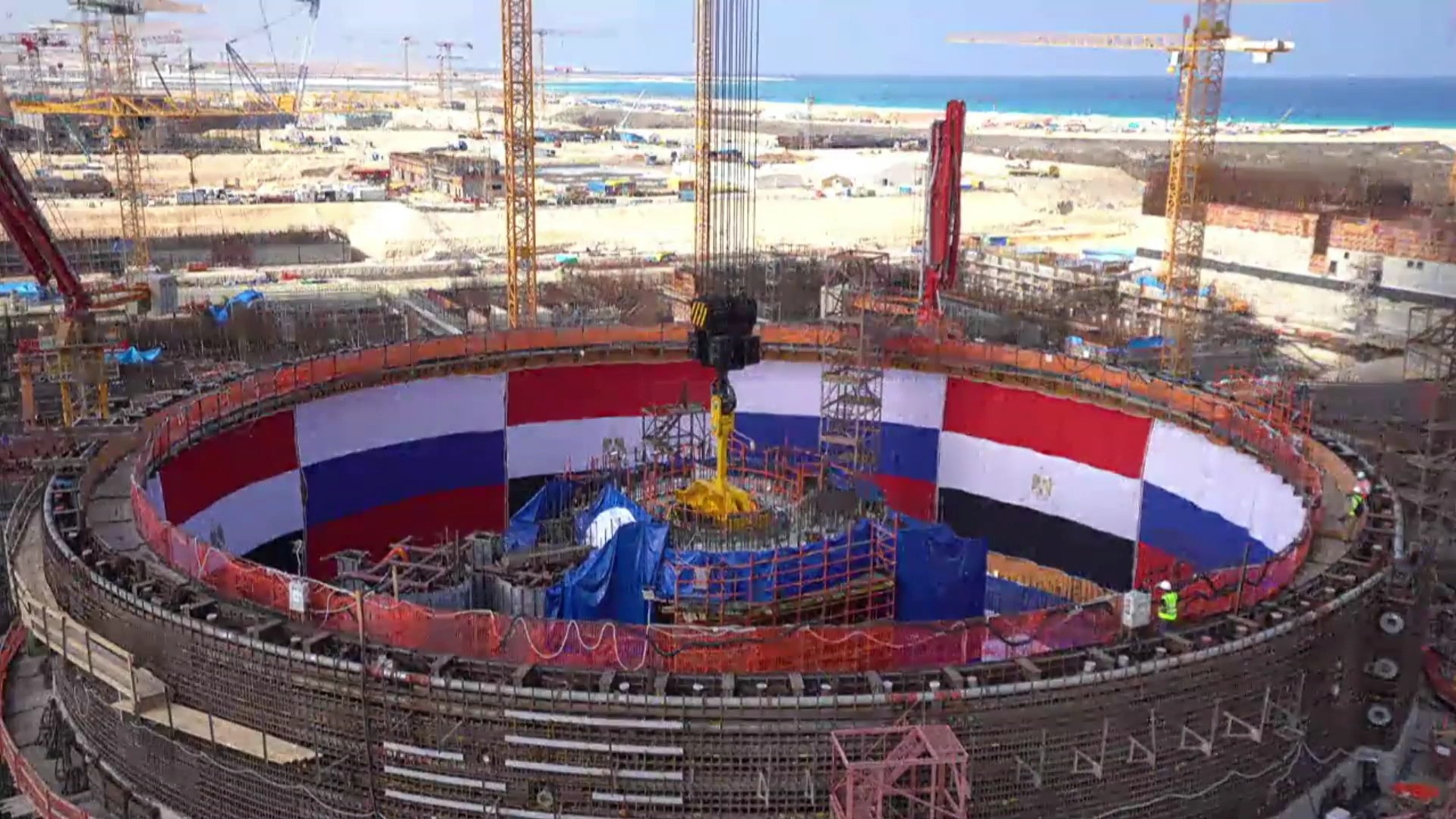
Just days after Egyptian nuclear authorities reportedly accused Rosatom of construction defects, poor management and vi...
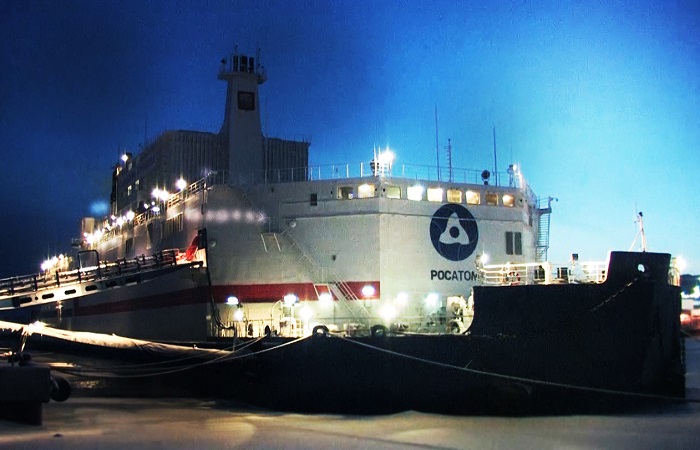
For years, the Akademik Lomonosov looked like one of the nuclear industry’s more eccentric experiments: two reactors mounted on a barge and tow...