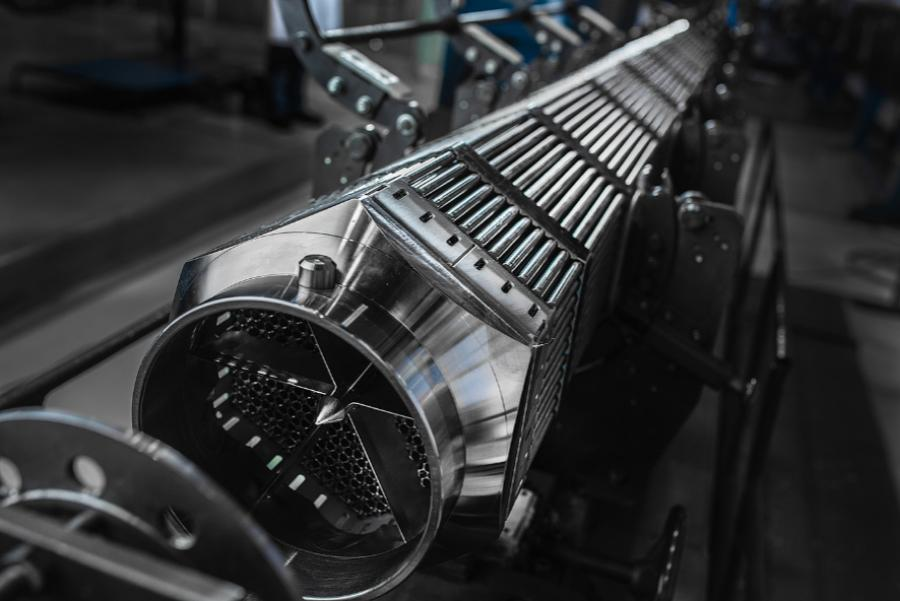
Germany wants independence from Russian nuclear fuel, using Rosatom as a bridge
Europe’s effort to break its dependence on Russian nuclear fuel has a paradox in Germany: making Russian-designed fuel without buying it from Russia ...
News
Publish date: February 7, 2003
News
In addition to several large workshops, the yard operates two large dry docks. Until the end of the 1980s, the yard employed 5,500 workers, but today the number of employees is much smaller.
Sevmorput has been repairing first-generation nuclear submarines since the end of the 1960s and until 1991, the refuelling of nuclear submarines was also undertaken here. Today, the shipyard also carries out repairs of second-generation submarines. In 1991, county officials prohibited refuelling activities at this yard on the grounds of radiation safety concerns and the fact that the yard is located only a few hundred metres from more populous areas of the city. Defuelling activities were later resumed on the condition that a so-called dry defuelling method was used, whereby the cooling water is pumped out from the reactor. In the future, the civilian nuclear service ship Imandra is likely to perform the defuelling operations at the shipyard.
There are presently two first generation Project 675 — Echo-II class and Project 658 — Hotel class submarines in the yard. The Project 658 — Hotel class submarine was defuelled in 1995.
Europe’s effort to break its dependence on Russian nuclear fuel has a paradox in Germany: making Russian-designed fuel without buying it from Russia ...
Nearly four and a half years after Russia’s full-scale invasion of Ukraine, July offered fresh evidence of how difficult it remains to disentangle Ru...
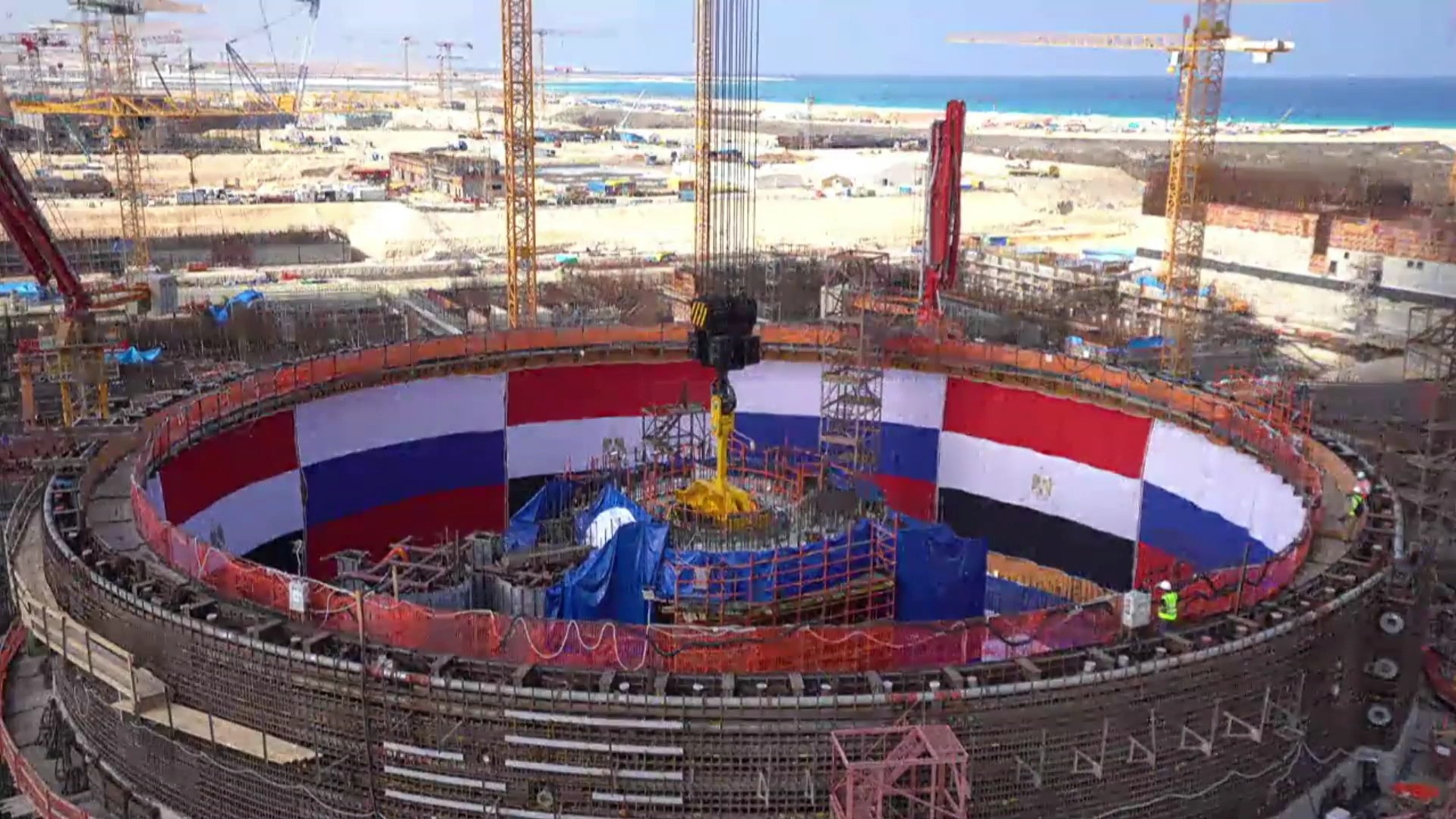
Just days after Egyptian nuclear authorities reportedly accused Rosatom of construction defects, poor management and vi...
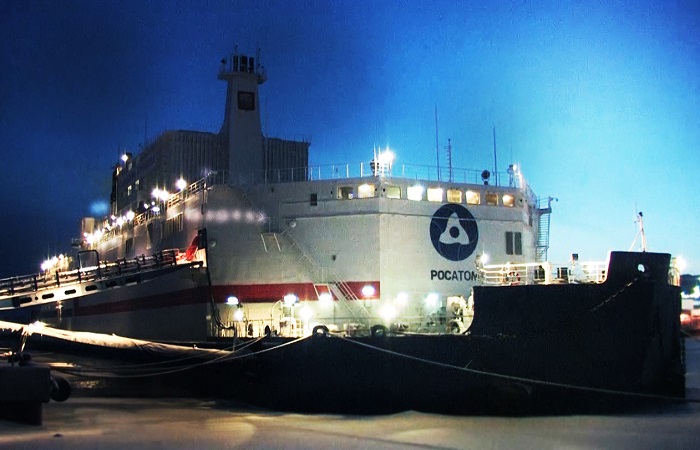
For years, the Akademik Lomonosov looked like one of the nuclear industry’s more eccentric experiments: two reactors mounted on a barge and tow...