Rosatom faces pressure abroad as Zaporizhzhia’s nuclear risks deepen
August brought signs of growing pressure on several fronts for Russia’s state nuclear corporation Rosatom, from questions surrounding major construct...
News

Publish date: August 30, 2022
News
Hungary’s nuclear regulator has granted a construction licence for two new reactors at the Paks nuclear power plant, which are to be built by Russia’s state nuclear corporatiojn Rosatom under a 2014 €12.5 billion deal signed between Budapest and Moscow.
The war in Ukraine has not deterred Hungary’s interest in the project, which will add to the four Soviet-built reactors already operating at the Paks nuclear plant near Budapest.
That the project is moving forward is an indication of the warm ties between Hungary’s nationalist prime minister, Viktor Orbán, and the Russian president, Vladimir Putin.
This is a big step, an important milestone,” the Hungarian foreign minister, Péter Szijjártó, said on Facebook after the national regulator issued a permit on Thursday after numerous delays.
“We can now move from planning stage to construction. You’ll see that at the Paks site in the coming weeks,” said Szijjártó.
He added it was “realistic” the reactors could enter service by 2030.
Russia’s nuclear industry has not been included in the EU sanctions levies over Vladimir Putin’s invasion of Ukraine. Ukrainian President Volodymyr Zelensky has called for the Russian atomic industry and uranium exports to be included, but the European Commission has not put them in any of the sanctions packages so far.
Located in central Hungary, the plant currently generates 40 percent of the country’s electricity supply on four Soviet-design VVER-440 reactors. The project to build the two new Russian VVER-1200s expected to cost $12.4 billion, with Russia will financing most of the project with a $10 billion loan, while Hungary will pay for the remainder.
Finland, an EU member, cancelled a similar Russian nuclear power plant project in May over Russia’s invasion of Ukraine.
Despite the war in Ukraine, Hungary’s Orbán has irked other European leaders by maintaining a close relationship with the Kremlin and seeking to water down sanctions against Moscow.
August brought signs of growing pressure on several fronts for Russia’s state nuclear corporation Rosatom, from questions surrounding major construct...
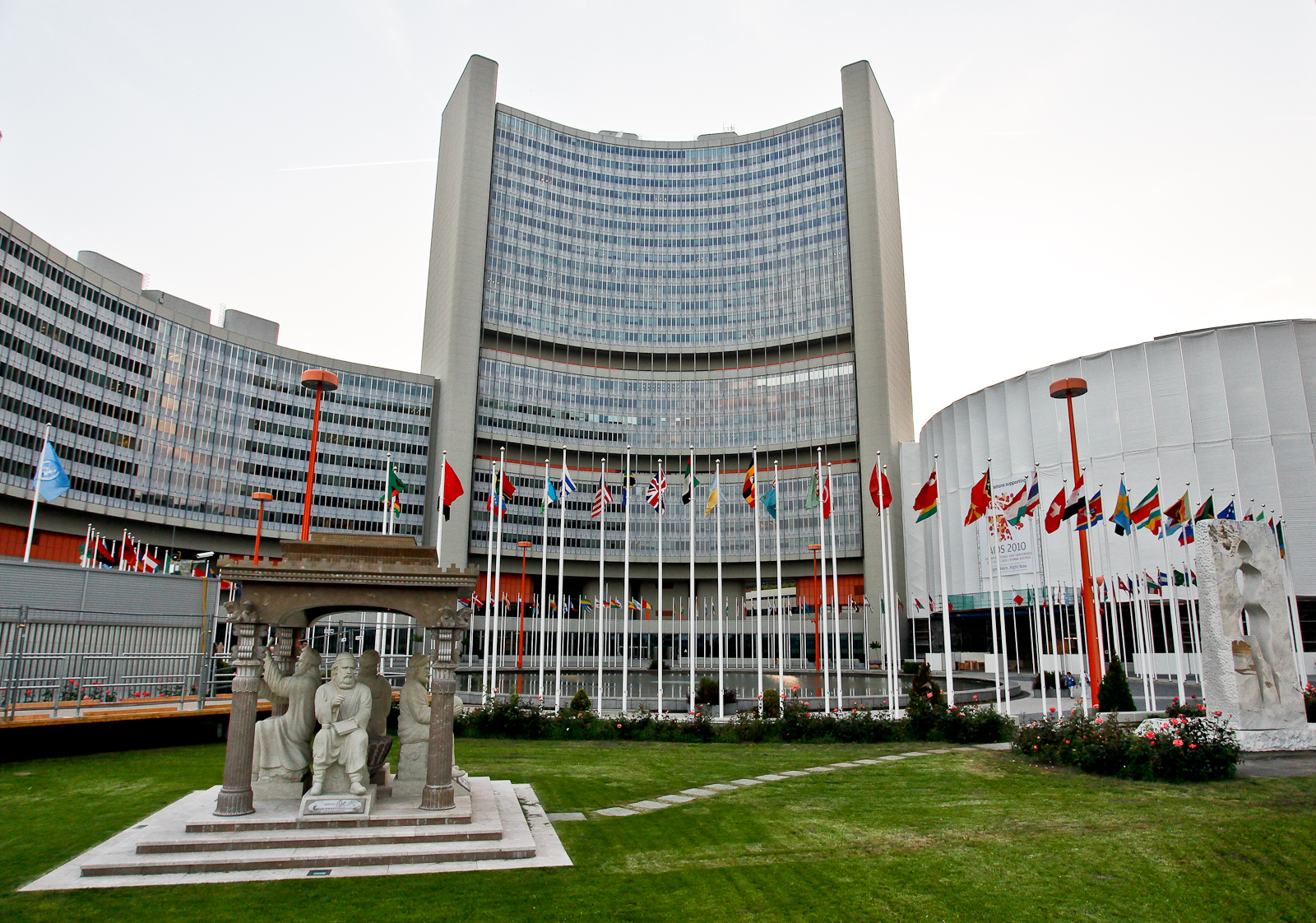
The International Atomic Energy Agency has suspended one of its most senior Russian officials — but for reasons largely unrelated to the questions ab...
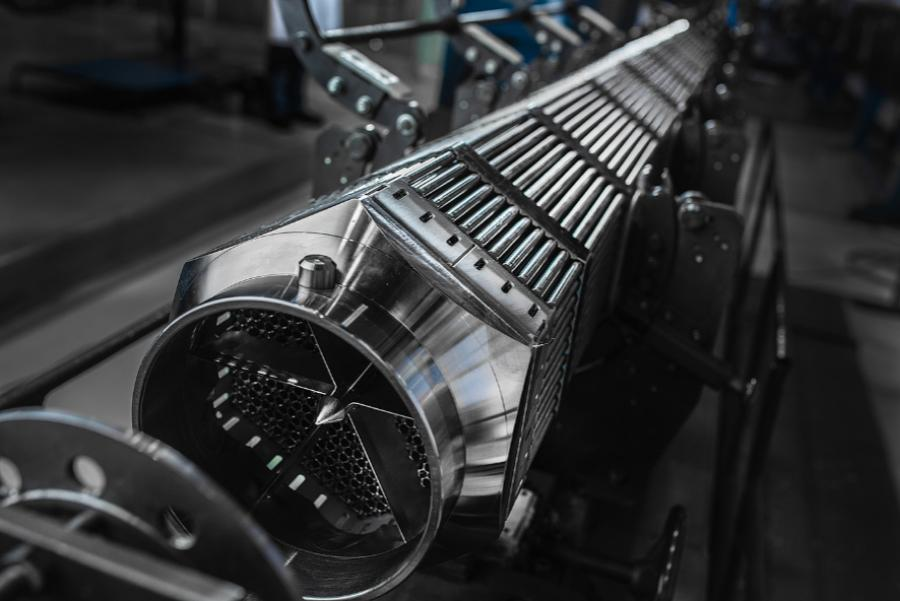
Europe’s effort to break its dependence on Russian nuclear fuel has a paradox in Germany: making Russian-designed fuel without buying it from Russia ...
Nearly four and a half years after Russia’s full-scale invasion of Ukraine, July offered fresh evidence of how difficult it remains to disentangle Ru...