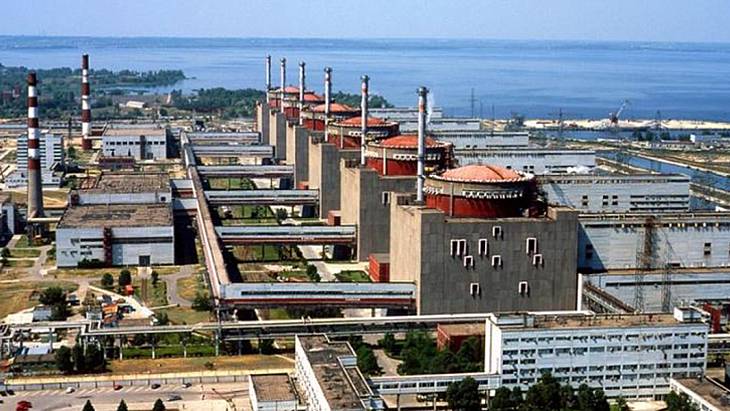
European nuclear regulators warn of escalating accident risks in Ukraine this winter
International nuclear safety regulators representing 38 countries warned Monday that Russia’s intensifying attacks on Ukraine’s electrici...
News

Publish date: June 25, 2014
News
With Russia’s annexation of Crimea we have seen energy security being pushed up the EU’s political agenda as the 28 Member States deliberate on a plan to reduce reliance on natural gas from the Moscow-controlled OAO Gazprom. Simultaneously, the Member States plan to finalise the 2030 Climate and Energy Package by October 2014, laying out targets that include reducing emissions by 40% by 2030 from 1990 levels.
Poland, which relies on coal for more than 80% of its electricity and power generation, has suggested that the EU proceed at a slower pace with regards to climate change mitigation measures. In the opinion of Pawel Smolen, president of EURACOAL “de-carbonisaton means de-electrification, which is impossible”. Davey rightly recognises this to be incorrect, and that an EU-wide solution to supporting CCS development in Poland or elsewhere is essential as part of a package to tackle coal emissions.
A report of the International Energy Agency (IEA) states that annual spending on low-carbon technologies and energy efficiency needs to double to about EUR 580 billion by 2020 from 2013 levels to keep temperatures from rising more than 2 degrees Celsius from pre-industrial levels. Moreover, according to the IEA, delayed CCS deployment would increase the cost of power sector decarbonisation globally by EUR 1 trillion through 2035 and result to lost sales of fossil-fuel producers. Therefore, Davey urges the early deployment of CCS in order to attain a low-carbon world by 2050 cost-effectively.
International nuclear safety regulators representing 38 countries warned Monday that Russia’s intensifying attacks on Ukraine’s electrici...
International shipping along Russia’s Northern Sea Route (NSR) expanded during September, with Chinese and South Korean operators testing new c...
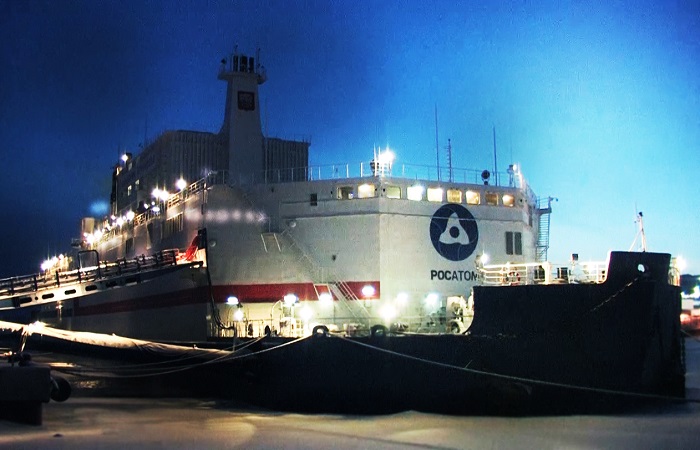
Russia’s state nuclear corporation Rosatom is intensifying efforts to market floating nuclear power plants to African countries, promoting the ...
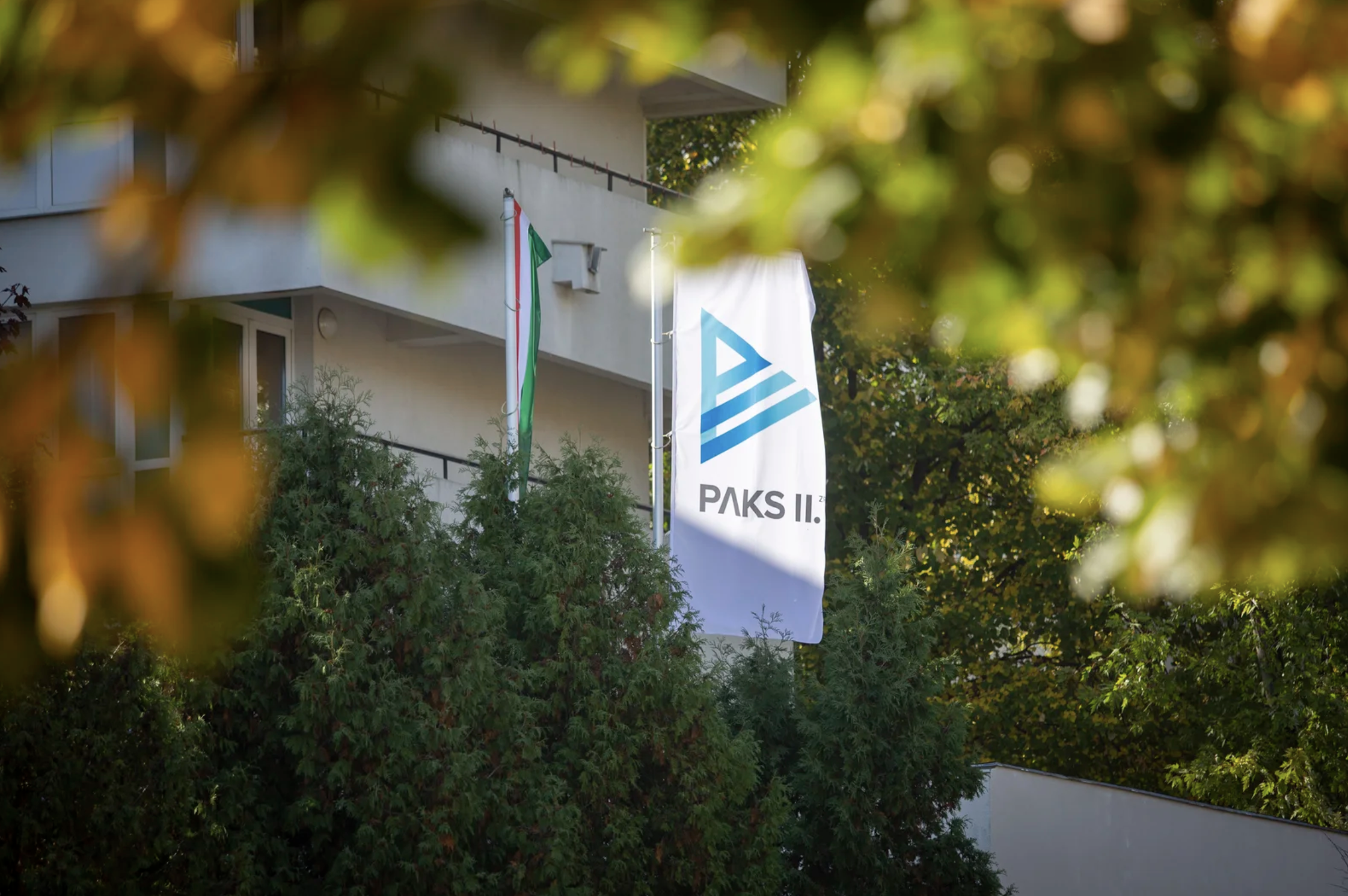
Hungary’s new government is considering replacing Russia’s state nuclear corporation Rosatom as the main contractor for the Paks II nucle...