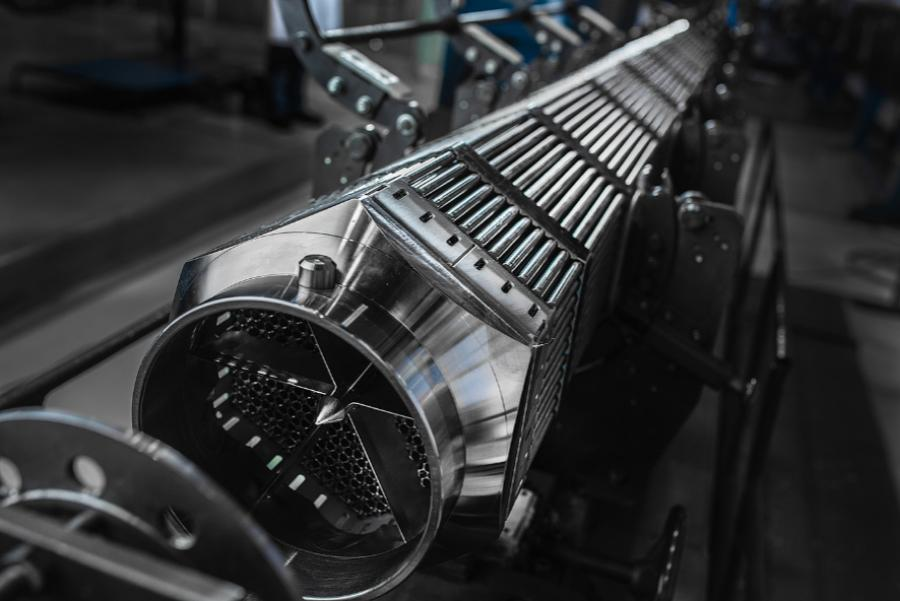
Germany wants independence from Russian nuclear fuel, using Rosatom as a bridge
Europe’s effort to break its dependence on Russian nuclear fuel has a paradox in Germany: making Russian-designed fuel without buying it from Russia ...
News
Publish date: December 18, 1998
Written by: Igor Kudrik
News
Earlier this year, the Russian State Nuclear Inspection (GAN) reported increased incident statistics at the nuclear research installations. GAN ascribed the alarming data to the fact that a number of highly qualified workers left the research institutes after funding shortfalls had occurred. The statistics for the Russian nuclear power plants summarised for the period from January through November this year show the same tendency. The reasons are not specified, but an educated guess would explain the trend by a combination of social tensions in the Russian nuclear industry and ageing reactor installations.
More than 80 incidents this year
More than 80 incidents at Russian nuclear power plants were documented by GAN in January through November 1998. Similar statistics for the research reactors have not been made available so far, other than the unqualified GAN report mentioned above.
Russia operates 29 nuclear reactors, including 13 VVERs, 11 RBMKs, 4 LWGR-12s and one BN type. In 1997, only 61 among the 113 Russian research reactor installations were in operation.
Incidents involving nuclear fuel
In November this year, there were two incidents involving nuclear fuel at the Russian NPPs. At Leningrad NPP, loose grips were discovered on three fuel assemblies during refuelling of a reactor. The grips bind fuel elements together in a fuel assembly. The assemblies contained spent fuel and were highly radioactive. At Smolensk NPP, one of the fuel elements fell down while being relocated to a wet storage facility at the plant. The incidents did not lead to discharges of radiation into the environment, reports GAN.
Europe’s effort to break its dependence on Russian nuclear fuel has a paradox in Germany: making Russian-designed fuel without buying it from Russia ...
Nearly four and a half years after Russia’s full-scale invasion of Ukraine, July offered fresh evidence of how difficult it remains to disentangle Ru...
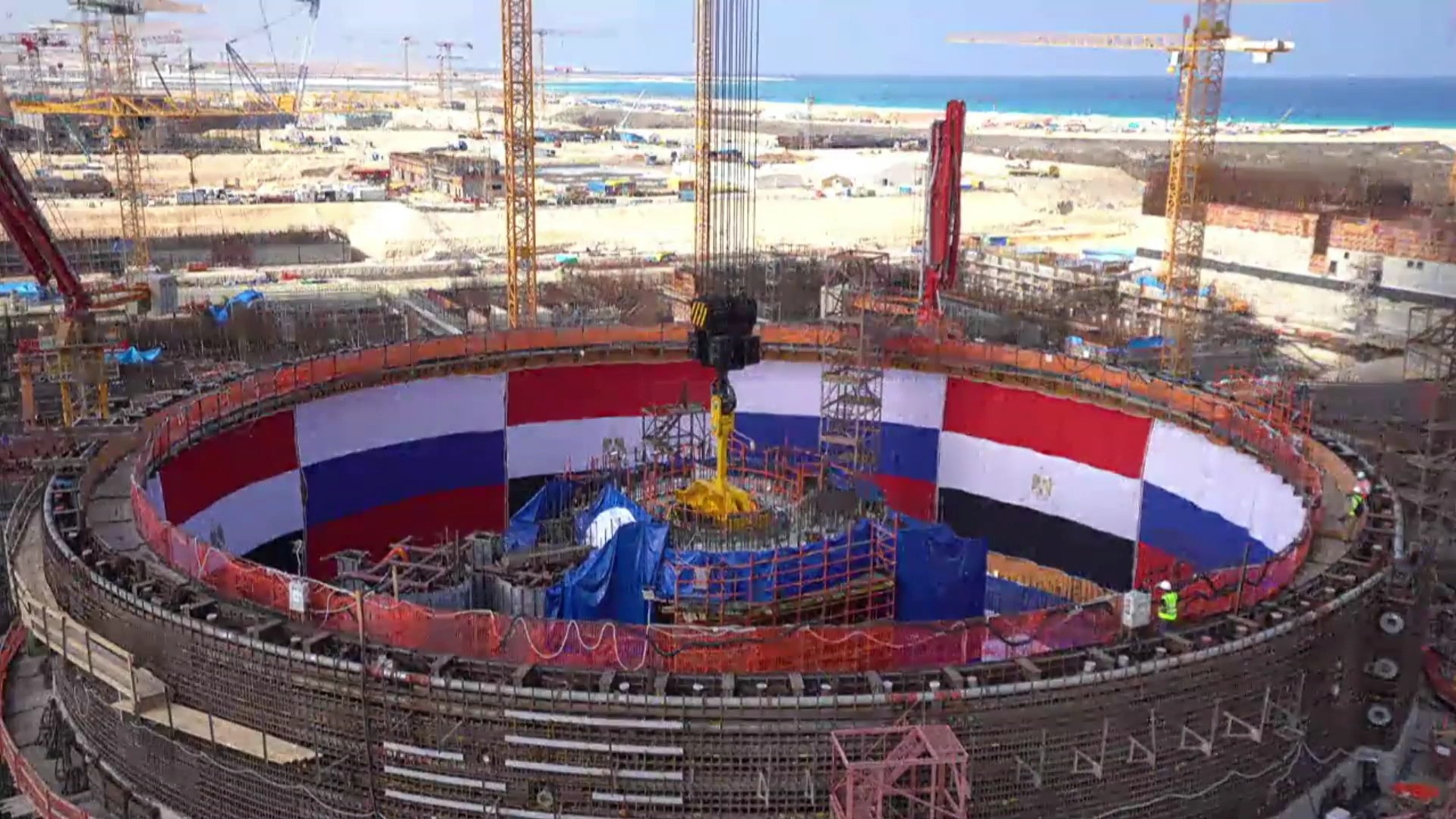
Just days after Egyptian nuclear authorities reportedly accused Rosatom of construction defects, poor management and vi...
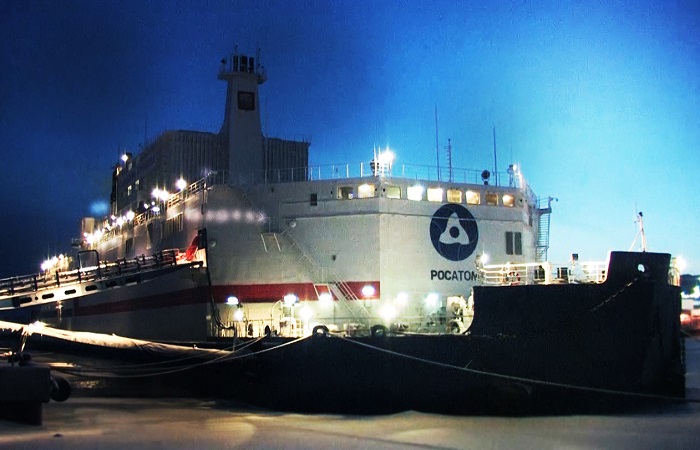
For years, the Akademik Lomonosov looked like one of the nuclear industry’s more eccentric experiments: two reactors mounted on a barge and tow...