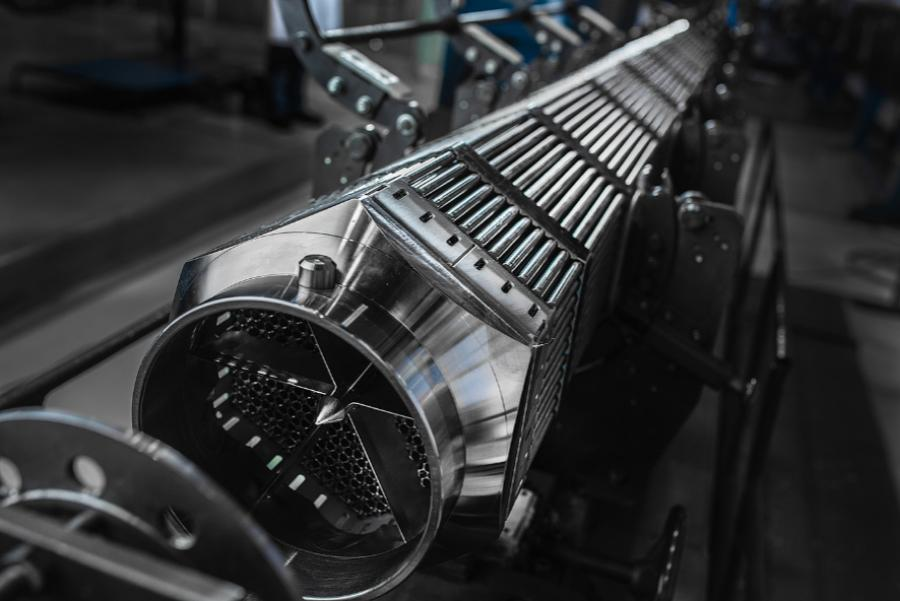
Germany wants independence from Russian nuclear fuel, using Rosatom as a bridge
Europe’s effort to break its dependence on Russian nuclear fuel has a paradox in Germany: making Russian-designed fuel without buying it from Russia ...
News

Publish date: May 12, 2014
News
Escalating tension with Russia obliges the EU to boost its energy security mechanisms and to seek alternatives to Russian natural gas. Affordable and secure energy supply is a key pillar of a prosperous European economy. Coal and lignite constitute more than 80% of EU fossil reserves and it is used in both power production and industry. Carbon capture and storage (CCS) is the only available technology that can balance EU Member States’ energy security with the Union’s commitments to climate action.
In a low-carbon economy CCS is needed to mitigate CO2 emissions of Europe’s indigenous, secure and affordable fossil energy sources. Captured CO2 can also be used to increase the recovery rates from aging oil and gas reservoirs, thereby also increasing the secure supply of these fuels. This process, Enhanced Oil Recovery (EOR), is one option to developing the CCS business case until the CO2 price reaches sufficient levels. Europe also needs to implement transitional measures to incentivise CCS projects and look into developing CCS clusters, for example in the North Sea.
For a Europe seeking an Industrial Renaissance, deploying CCS for energy-intensive industries in parallel with fossil-fuel power generation will retain jobs and attain economies of scale for both CO2 transport and storage. Member States with high energy dependence would want to invest in CCS to secure steady and sustainable energy supply. CCS is the only means to reconcile the use of indigenous fossil fuels, retaining a strong industrial base and delivering on EU climate commitments.
Read Bellona’s brief on energy security with CCS Europe_Energy_Supply_Security_and_CCS_Bellona_Europa
For more information, contact:
Jonas M. Helseth
Director, Bellona Europa
jonas@bellona.org
Phone: +32 (0)2 648 31 22; Mobile +32 (0)494 53 58 21
Europe’s effort to break its dependence on Russian nuclear fuel has a paradox in Germany: making Russian-designed fuel without buying it from Russia ...
Nearly four and a half years after Russia’s full-scale invasion of Ukraine, July offered fresh evidence of how difficult it remains to disentangle Ru...
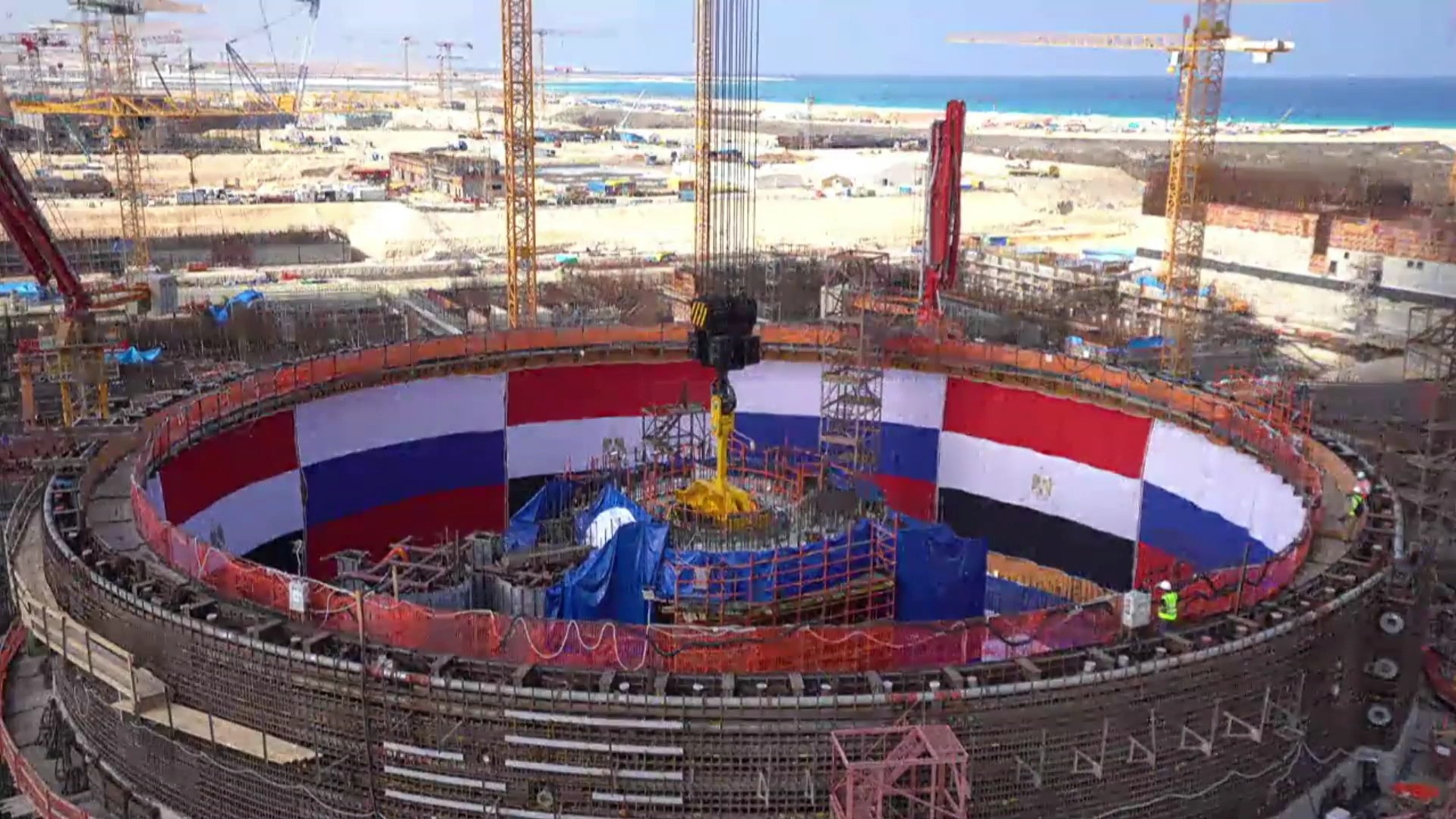
Just days after Egyptian nuclear authorities reportedly accused Rosatom of construction defects, poor management and vi...
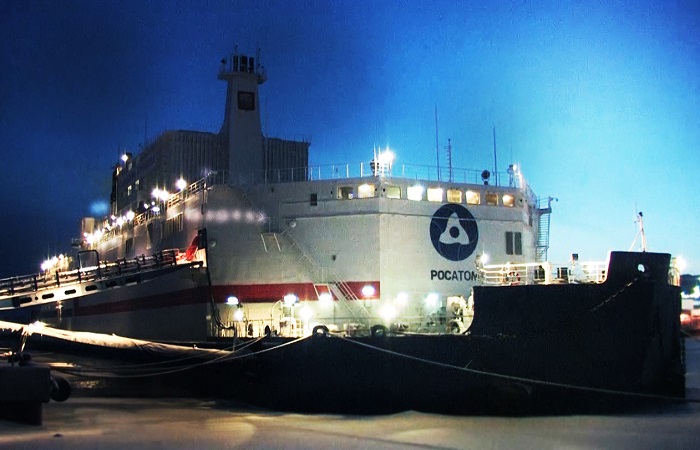
For years, the Akademik Lomonosov looked like one of the nuclear industry’s more eccentric experiments: two reactors mounted on a barge and tow...