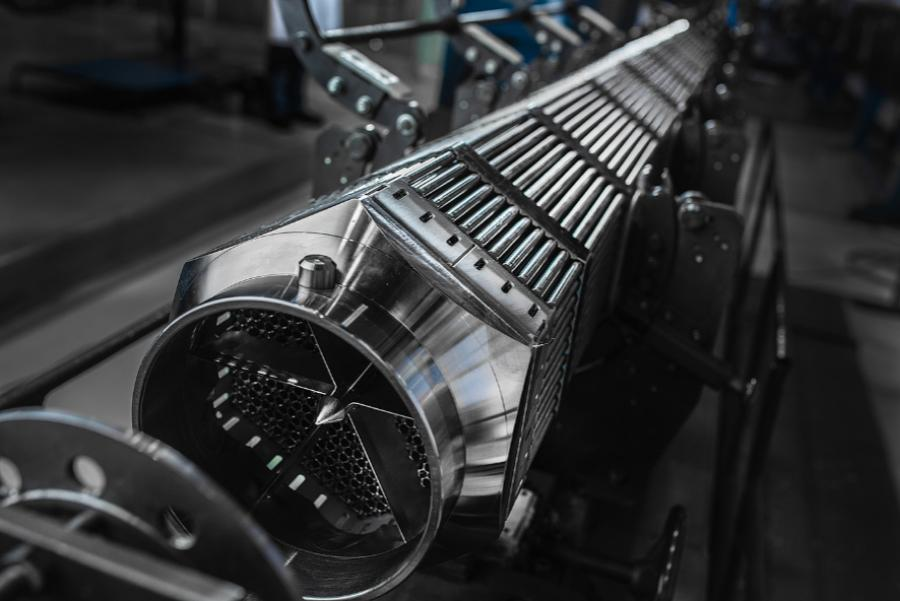
Germany wants independence from Russian nuclear fuel, using Rosatom as a bridge
Europe’s effort to break its dependence on Russian nuclear fuel has a paradox in Germany: making Russian-designed fuel without buying it from Russia ...
News
Publish date: January 24, 2005
News
Sergei Antipov, deputy head of the Federal Agency for Nuclear Energy (Rosatom), stated this on January 13. The decision was made at the 24th meeting of the board of the Russian-Japanese committee on co-operation in disposing of Russian nuclear weapons that are subject to arms reduction, national news reports said citing Antipovs speech at a briefing in Moscow on January 13. “Russia has the technological potential at its plants for scrapping nine nuclear submarines a year. Regrettably, it has no funds. For the time being, we are planning to gradually dismantle five nuclear submarines, one by one, so as to cultivate an atmosphere of co-operation with the Japanese side,” Antipov noted. According to preliminary information, Japan’s financial participation is estimated at about $40 million.
Russia and Japan agreed to cooperate in the dismantling of three Victor-III-class nuclear submarines phased out of the Russian Navy in the Far East, one Victor-I-class submarine and one Charlie-class submarine. At present, four Victor-class submarines are based near Vladivostok and the Charlie-class submarine in Kamchatka.
According to Antipov, in the course of 2005, the Russian-Japanese committee is planning to sign an executive agreement with Rosatom to provide for the disposal of nuclear submarines, to study related technological and financial issues as well as security aspects and proceed from the results of this work to sign a financial contract with the bodies recommended by Rosatom. In Antipov’s words, foreign specialists will not directly participate in the scrapping effort and will be limited to environmental monitoring.
The dismantling of the phased-out nuclear submarines is a stipulation of the Russian-Japanese plan of action signed during the visit of Japanese Premier Junichiro Koizumi to Russia in January 2003. The first project implemented by the Russian-Japanese committee was the dismantling of a Victor-III-class nuclear submarine in December 2004. The scrapping of Russian nuclear submarines is one of the areas of global partnership of the G8 countries in the non-proliferation of WMD and the materials used to create them. The agreement for this was reached by the G8 at the summit in Kananaskis, Canada, in 2002.
Europe’s effort to break its dependence on Russian nuclear fuel has a paradox in Germany: making Russian-designed fuel without buying it from Russia ...
Nearly four and a half years after Russia’s full-scale invasion of Ukraine, July offered fresh evidence of how difficult it remains to disentangle Ru...
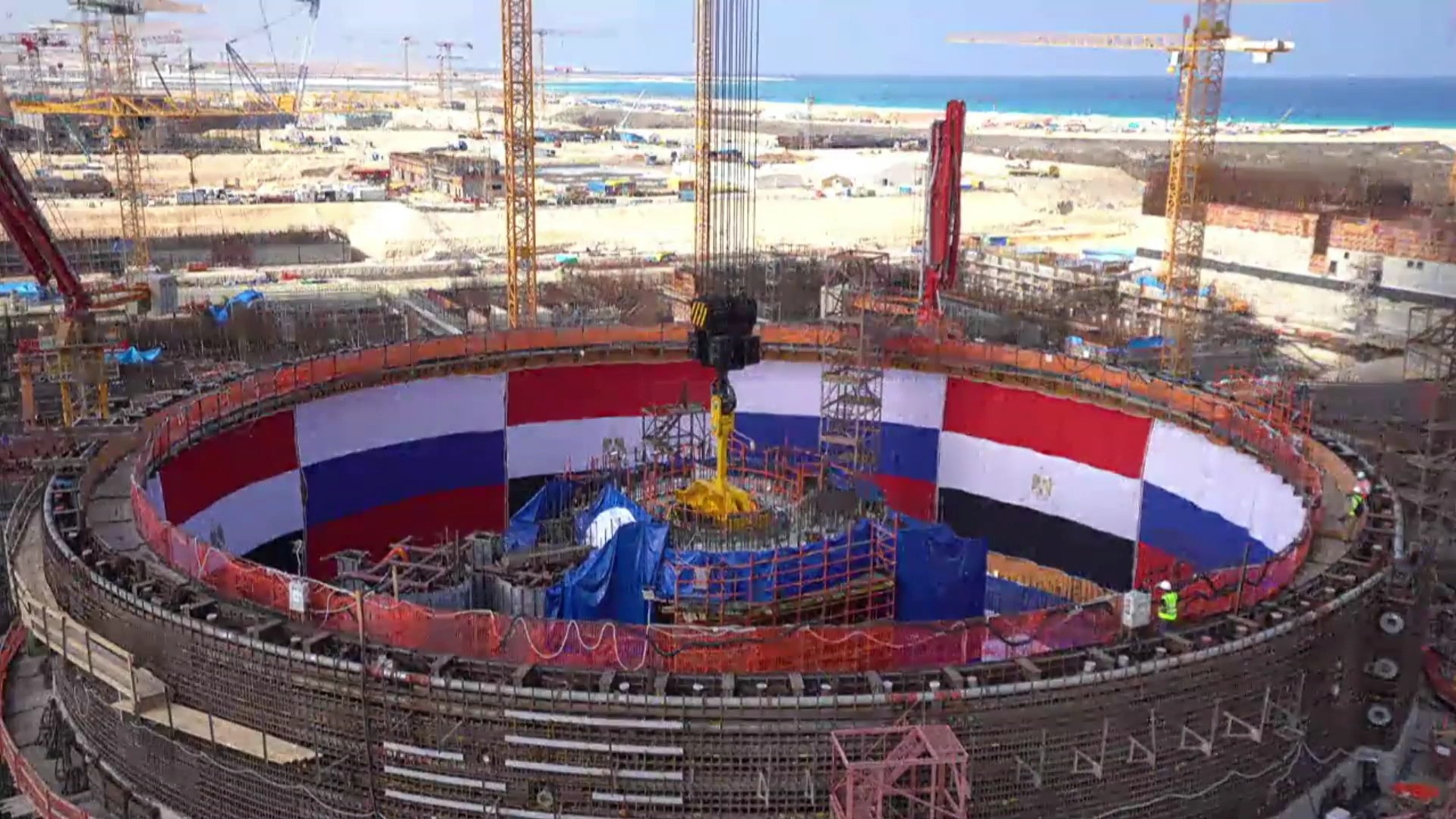
Just days after Egyptian nuclear authorities reportedly accused Rosatom of construction defects, poor management and vi...
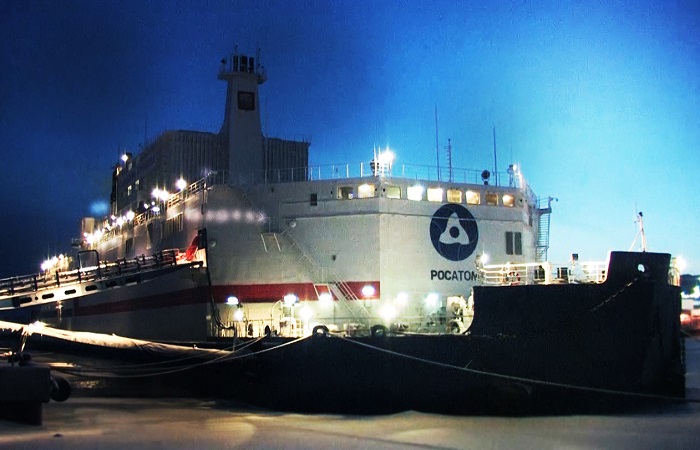
For years, the Akademik Lomonosov looked like one of the nuclear industry’s more eccentric experiments: two reactors mounted on a barge and tow...