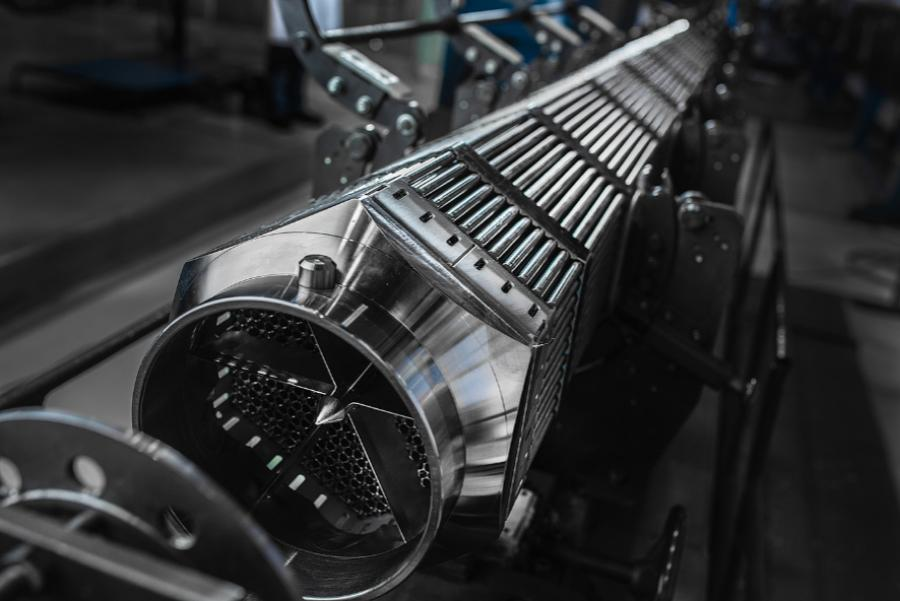
Germany wants independence from Russian nuclear fuel, using Rosatom as a bridge
Europe’s effort to break its dependence on Russian nuclear fuel has a paradox in Germany: making Russian-designed fuel without buying it from Russia ...
News
Publish date: February 18, 2005
News
He underlined, that “After the Kyoto protocol acceptance Russia should rather expect environmental and climatic positive effects than economic profit. Reduction of hydrocarbon burning will cause reduction of emissions and environmental pollution”, Interfax informed.
The scientist said The aim of the protocol is to ease changing over from raw-material economy to high-tech economy. But the problem is if Russia will use such a possibility. He underlined that the protocol could assist in many positive changes, caused by economical changes due to mineral resources depletion.
Talking about quota trade, he said “Russia can hardly sell a single quota in 2005 due to insufficient organization of implementation of Kyoto protocol in Russia. The scientist underlined that under the protocol conditions, all the unused quotas are automatically transferred to after-Kyoto period. Russia should make a decision of what is more economically profitable to save or sell the quotas”.
Europe’s effort to break its dependence on Russian nuclear fuel has a paradox in Germany: making Russian-designed fuel without buying it from Russia ...
Nearly four and a half years after Russia’s full-scale invasion of Ukraine, July offered fresh evidence of how difficult it remains to disentangle Ru...
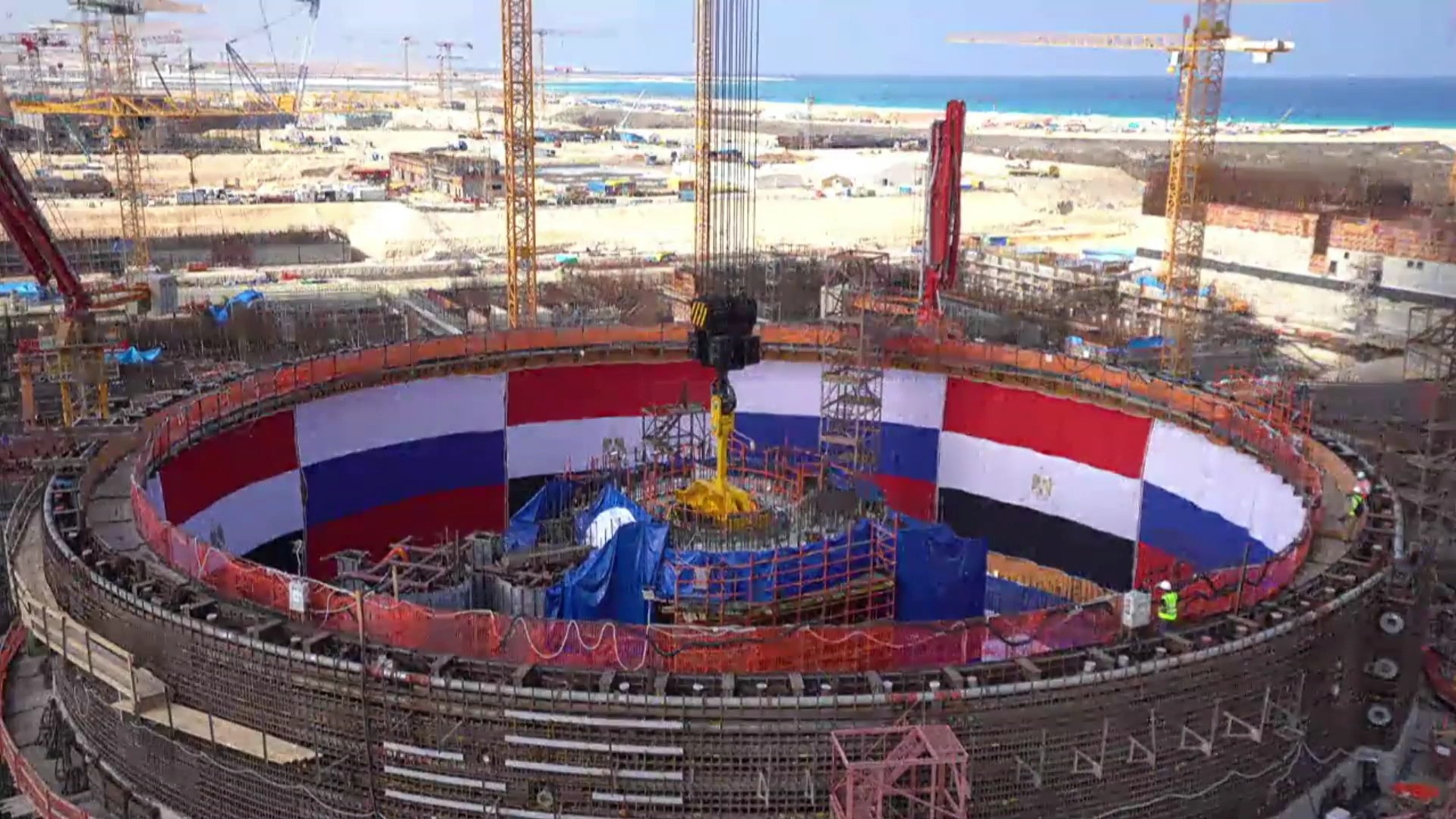
Just days after Egyptian nuclear authorities reportedly accused Rosatom of construction defects, poor management and vi...
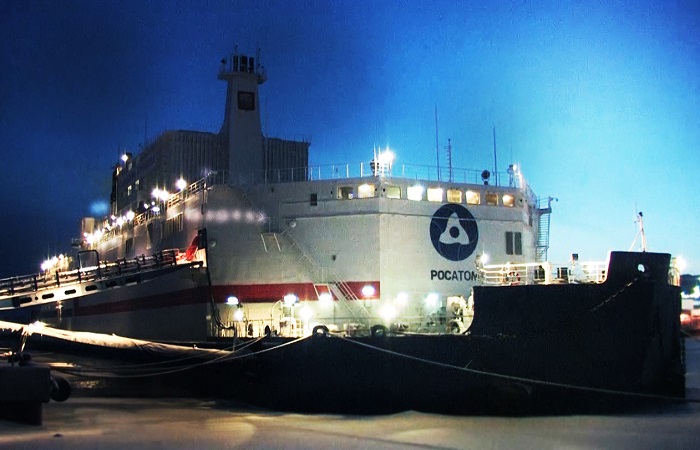
For years, the Akademik Lomonosov looked like one of the nuclear industry’s more eccentric experiments: two reactors mounted on a barge and tow...