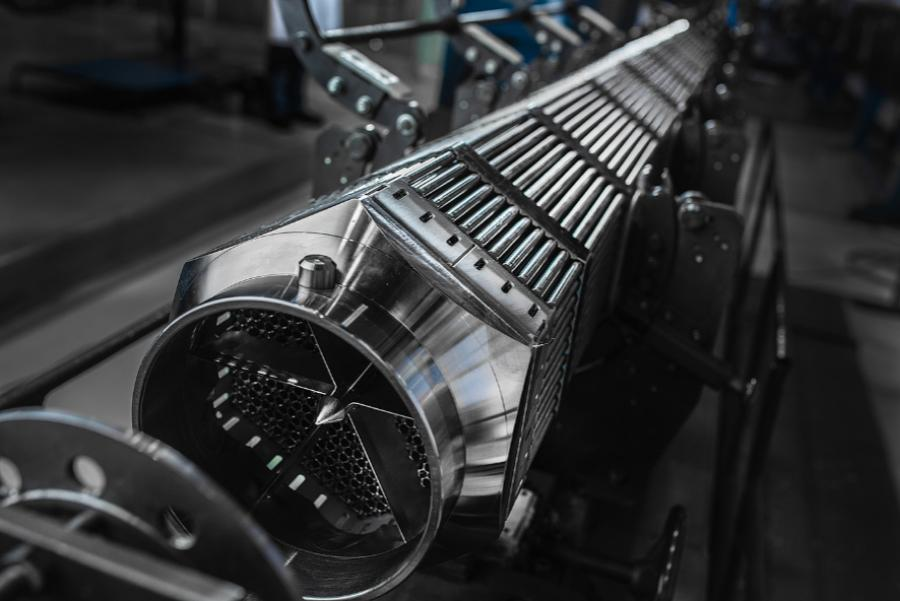
Germany wants independence from Russian nuclear fuel, using Rosatom as a bridge
Europe’s effort to break its dependence on Russian nuclear fuel has a paradox in Germany: making Russian-designed fuel without buying it from Russia ...
News
Publish date: December 1, 1998
Written by: Thomas Nilsen
News
The Russian type VVER-1000 reactor in Bushehr is supposed to be completed in 2004, a deal which is expected to bring Russia $800 million. So far, Russia has received $50 million of this, according to a news brief held by the Russian Minister for Nuclear Energy, Yevgeny Adamov, last week. The new plans to build three additional VVER-640 reactors could bring Russia between $3 billion and $4.5 billion.
The VVER-640 reactors is the newest press-water reactors of Russian design, like those which are planned to be buildt at the Kola-2 nuclear power station in the Arctic. So far, no reactor of the VVER-640 type has been completed.
Non-proliferation an issue
Both United States and Israeli officials say they oppose any co-operation with Iran’s nuclear sector, because such projects could help Iran develop nuclear weapons. Russia, on the other hand, says the reactors are purely for peaceful purposes. The U.S. State Department expresses deep concern about the new Russian – Iranian agreement, referring to Iran’s potential program for equipping their ballistic missiles with nuclear warheads. According to the original agreement between the two countries, signed in 1995, Russia promised to assist Iran on education of specialists, construction of uranium mines and facilities for uranium enrichment.
Adamov says the West’s criticism of the deal is groundless: "Put the concrete information on the table or sack your agents, because if politicians make statements that I can say are lies, it means that the intelligence is setting them up," Adamov said in reference to the U.S. and Israeli allegations.
There is no information about what plans Iran has for the spent nuclear fuel from the planned new reactors. Theoretically, the spent fuel can be reprocessed and plutonium for weapons can be produced, but Iran has neither the scientific nor the technologic means to do so today.
Europe’s effort to break its dependence on Russian nuclear fuel has a paradox in Germany: making Russian-designed fuel without buying it from Russia ...
Nearly four and a half years after Russia’s full-scale invasion of Ukraine, July offered fresh evidence of how difficult it remains to disentangle Ru...
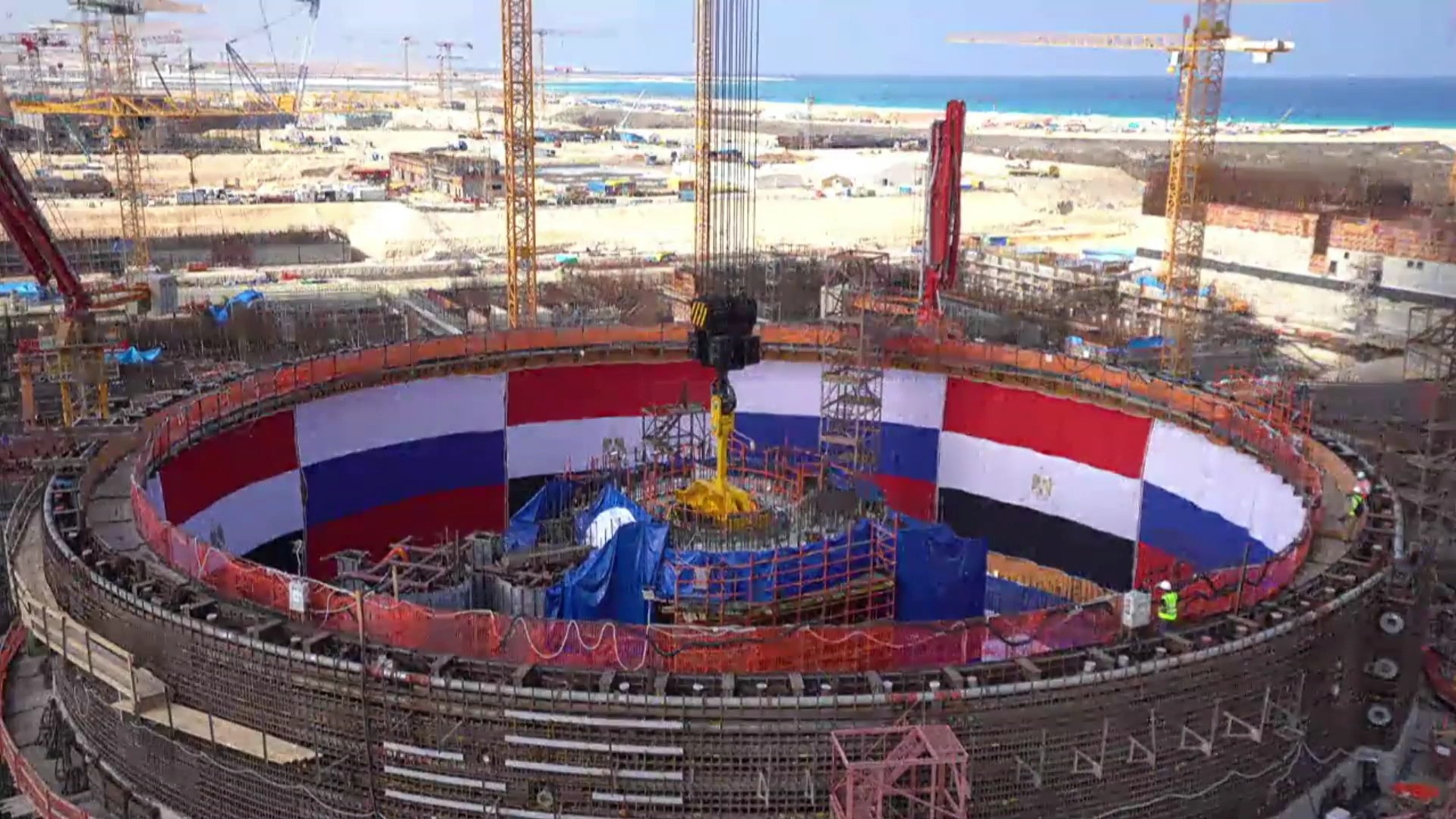
Just days after Egyptian nuclear authorities reportedly accused Rosatom of construction defects, poor management and vi...
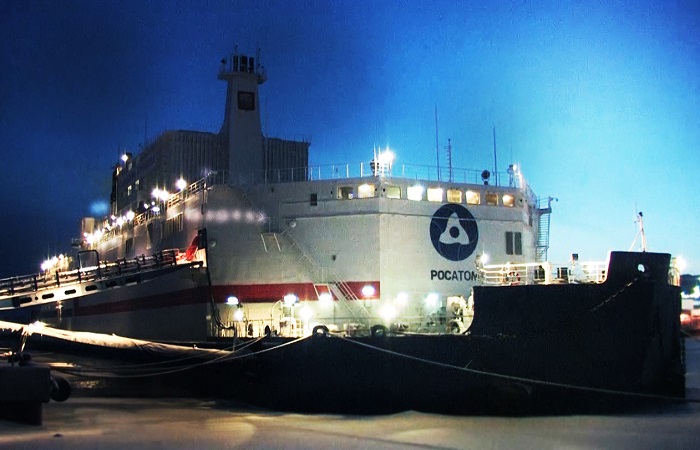
For years, the Akademik Lomonosov looked like one of the nuclear industry’s more eccentric experiments: two reactors mounted on a barge and tow...